
Easy surahs to learn: The Holy Quran is the most precious and glorious book of Allah that he has revealed on our beloved Prophet (P.B.U.H).
The surahs in The Holy Quran are a reference for Muslims, a source of guidance and light towards the righteous path. It is important to memorize them by heart. It is these surahs without which our prayers cannot be completed. This way, it’s helpful during our prayers and in many threatening situations of life.
What Are The Shortest Surahs to Memorize?
Recitation of the Quran is considered as one of the best acts in front of Allah. Imagine what would be the reward for those who memorize it by heart.
“The Holy Quran is for self, not for the shelf.”
The sad part is that today’s generation doesn’t consider memorizing or reciting the Quran essential and essential. For days and months, the Quran resides on the shelves. This book is a code of life that many of us forget while indulging in worldly pleasures. The Holy book of Allah has guidance for the whole of humanity and should be memorized by heart.
Memorizing the whole Quran is not possible for everyone. However, it is recommended to memorize some surahs if you cannot memorize the whole Quran. These surahs can be beneficial for you in life and hereafter in so many ways.
Here is a list of some short but most powerful surahs that you should memorize:
20. Surah Fatiha
Surah Fatiha is the opening Surah of the Quran and is also known as Umm al-Quran (the Mother of the Quran). The Prophet (PBUH) said there is no prayer for one who does not recite it (Sahih al-Bukhari and Sahih Muslim); scholars differ on details, such as whether a follower must recite it behind the Imam (Hanafi: no; Shafi’i: yes). This Surah lays the fountain of the Holy Book of Allah. You should also go through our previous post on Lessons & Benefits of Surah Fatiha,
19. Ayat-Ul-Kursi
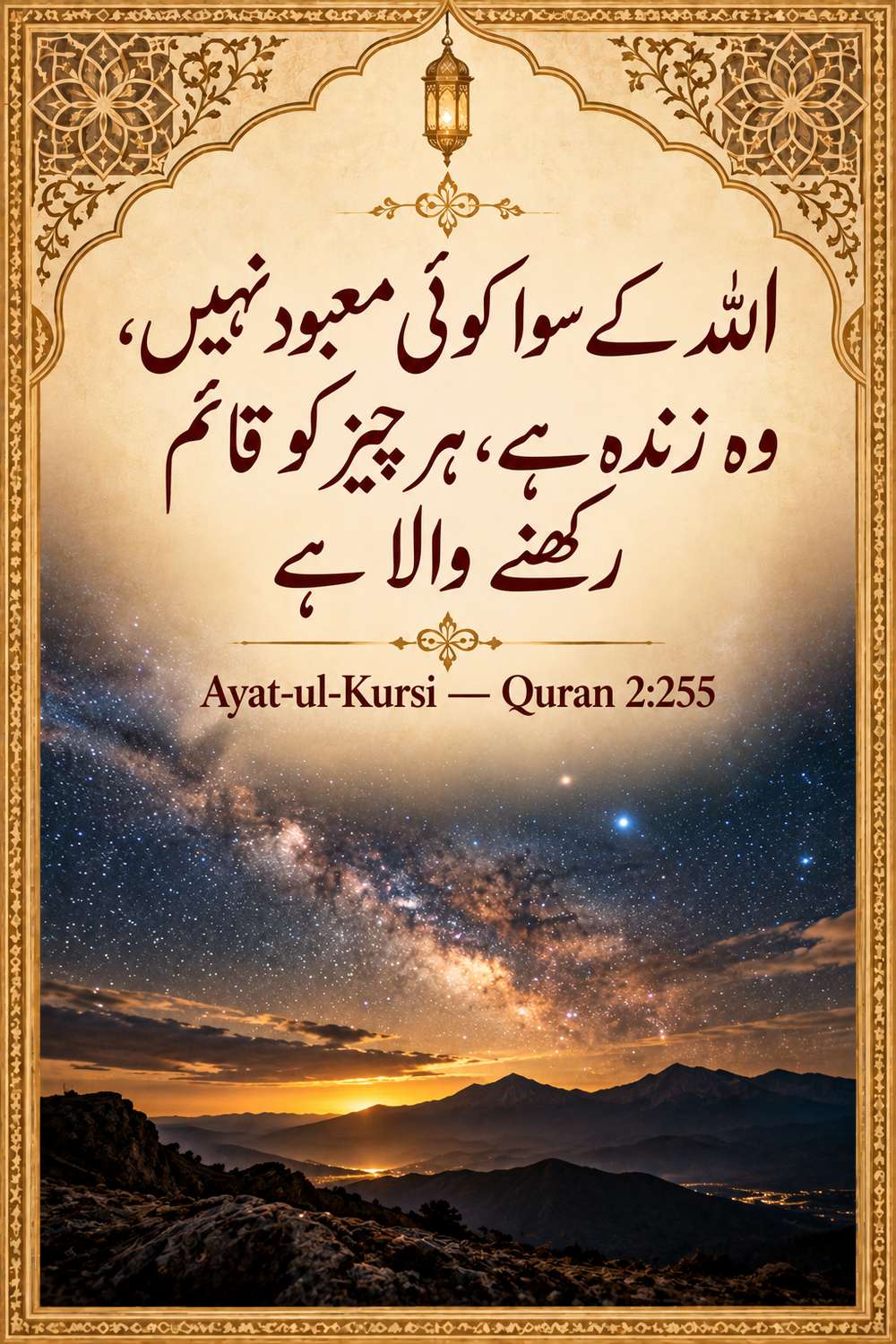
This ayah (2:255) is part of Surah Al-Baqarah. The Prophet (PBUH) told Ubayy ibn Ka’b that it is the greatest verse in the Book of Allah (Sahih Muslim). Reciting it before sleeping brings Allah’s protection through the night (Sahih al-Bukhari). See also benefits of Surah Baqarah.
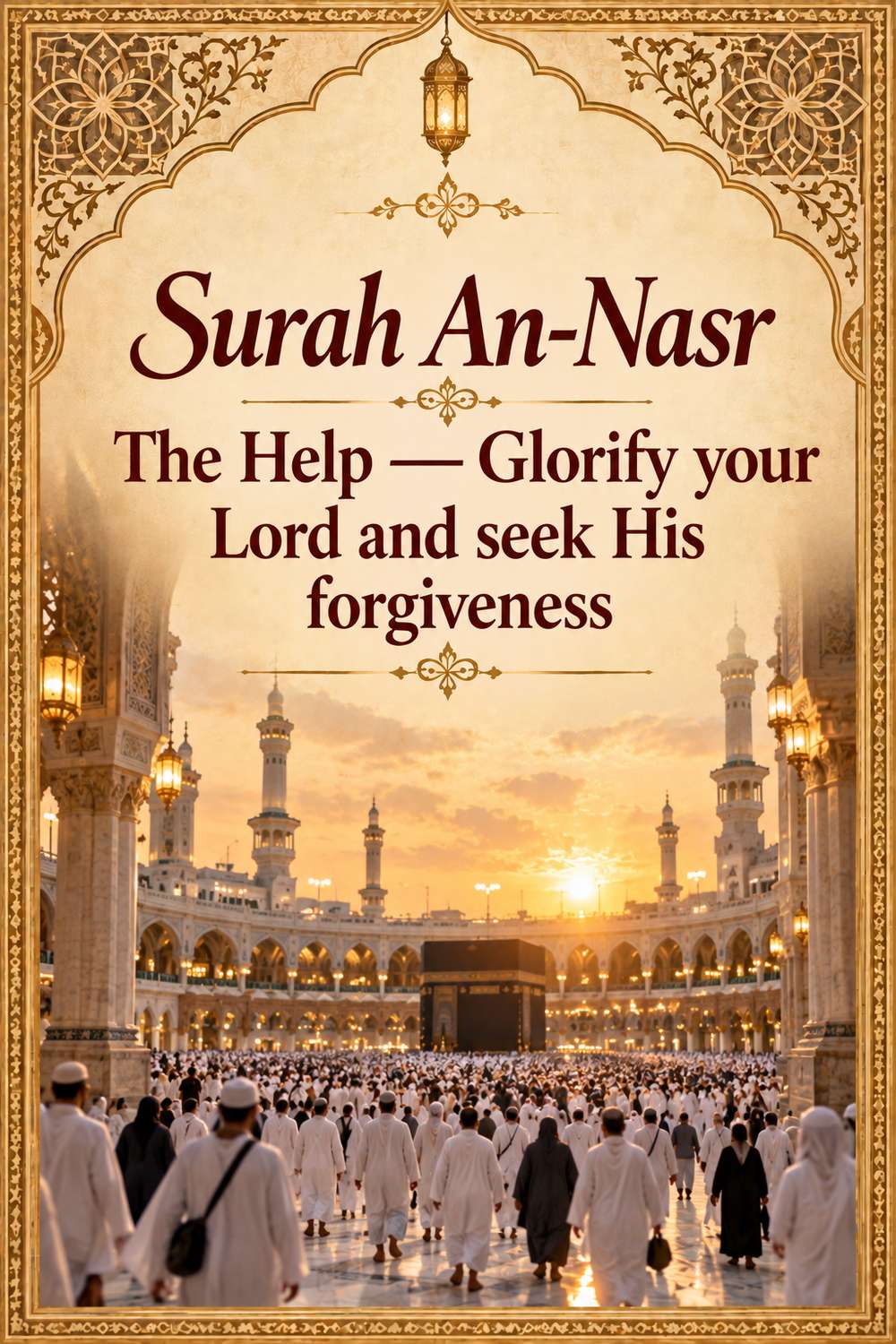
18. Surah An-Nasr
“Nasr” means help. Surah Nasr is the 110th Surah of the Quran. The Surah represents the victory and glory of Islam. There are great virtues and honors for the person who recites and memorizes it. Memorizing and reflecting on it is a rewarding act, and it reminds believers that victory comes from Allah alone.
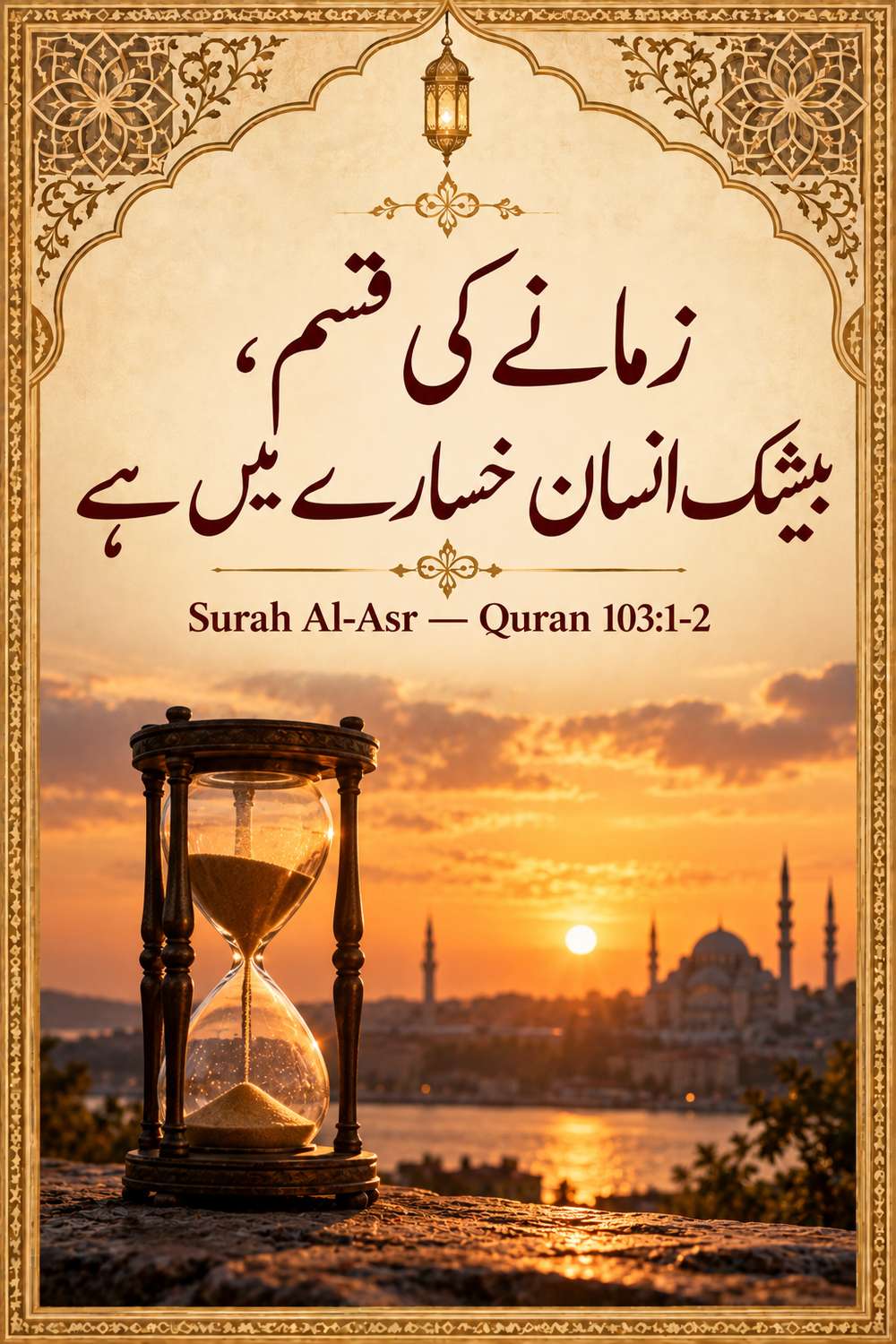
17. Surah Al-Asr
Surah Al-Asr is a short Surah but is considered as the essence of the Holy Quran. The verses of this Surah tell us to maintain a concrete faith in Allah, carry out the righteous deeds in this life, and solve matters of life with patience and peace.
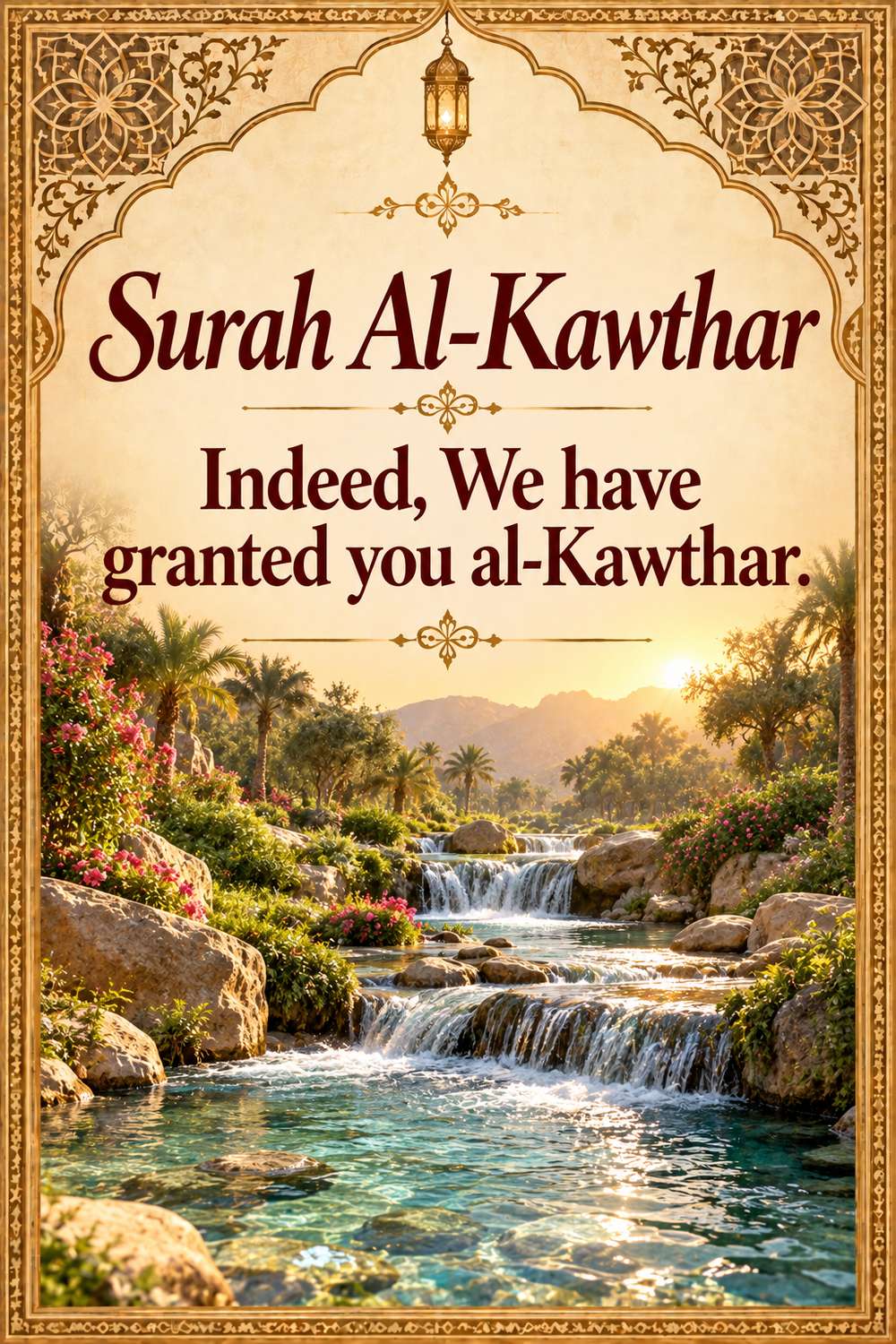
16. Surah Al-Kawthar
This is the shortest Surah of the Holy Quran, with three verses. It speaks of the abundant good Allah gave the Prophet (PBUH) and instructs us to pray and sacrifice for Him alone.
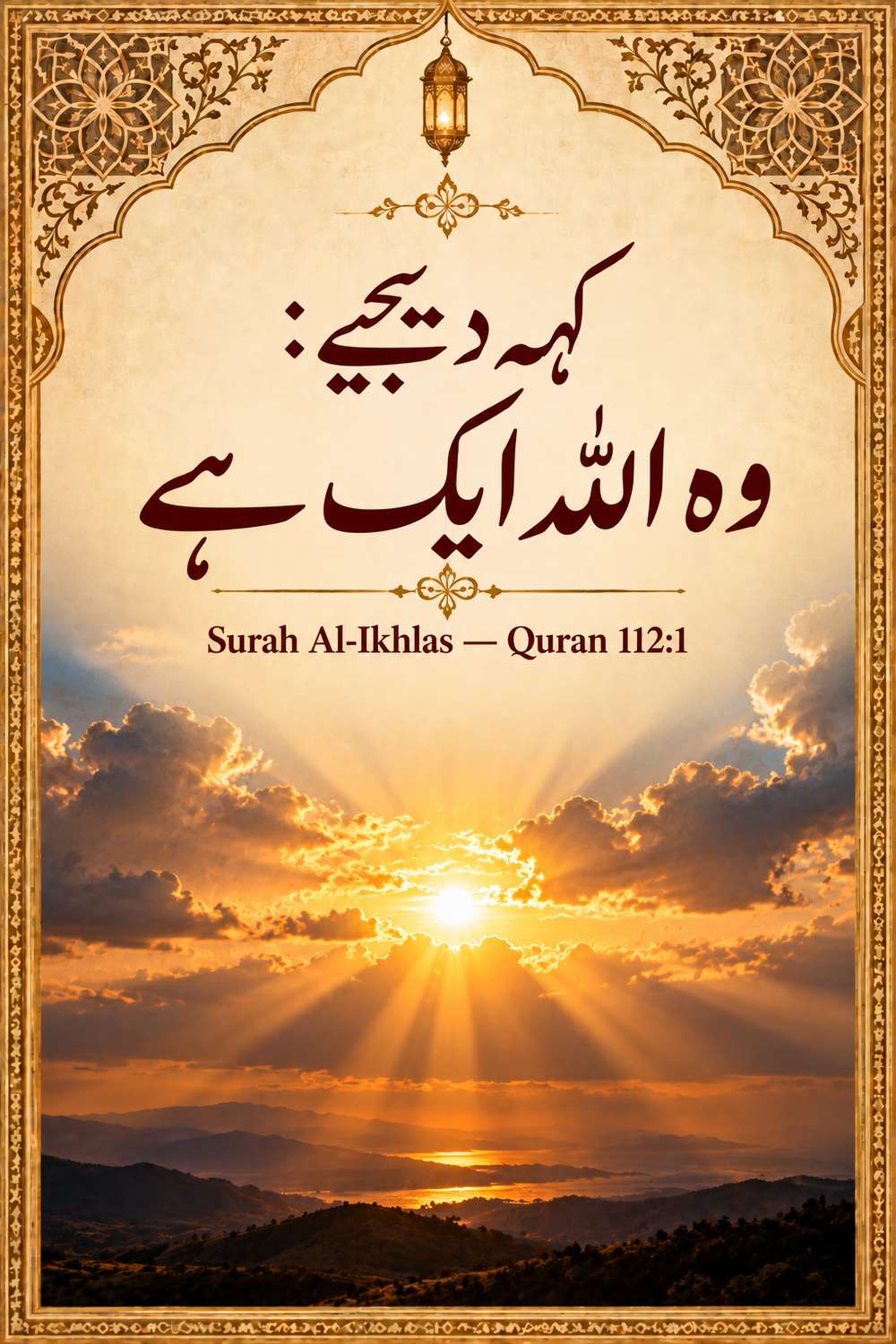
15. Surah Al-Ikhlas
This Surah demonstrates the unity and oneness of Allah. The Prophet (PBUH) said it equals a third of the Quran in reward (Sahih al-Bukhari), and that a man’s love for it was a reason Allah loved him (Sahih al-Bukhari and Sahih Muslim). It is also recited with Al-Falaq and An-Nas for protection at bedtime.
14. Surah Quraysh
This Surah reminds the Quraysh of the blessings Allah granted them, including security and provision on their trade journeys, and calls them to worship the Lord of the Ka’bah.
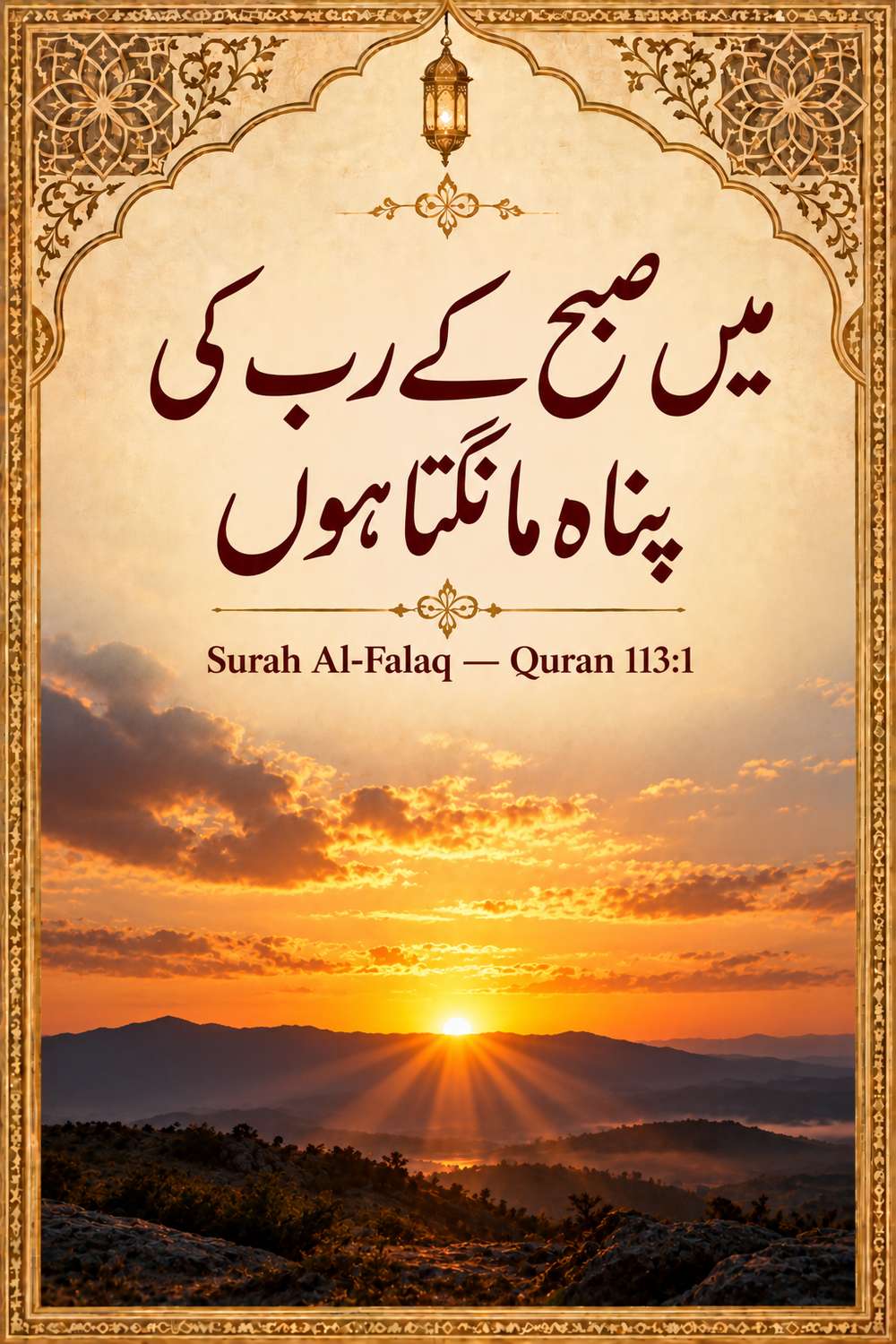
13. Surah Al-Falaq
Surah Al-Falaq is one of the two protective surahs (Al-Mu’awwidhatayn). The Prophet (PBUH) used to recite it with Al-Ikhlas and An-Nas, and blow into his hands and wipe over his body, before sleeping (Sahih al-Bukhari). It is a means of seeking Allah’s refuge from evil; remedies for illness still call for proper medical care.
12. Surah Al-Masad
Surah Al-Masad (also called Al-Lahab) is a short surah that condemns Abu Lahab, an uncle of the Prophet (PBUH) who opposed him. It teaches that wealth and lineage cannot save anyone who rejects the truth.
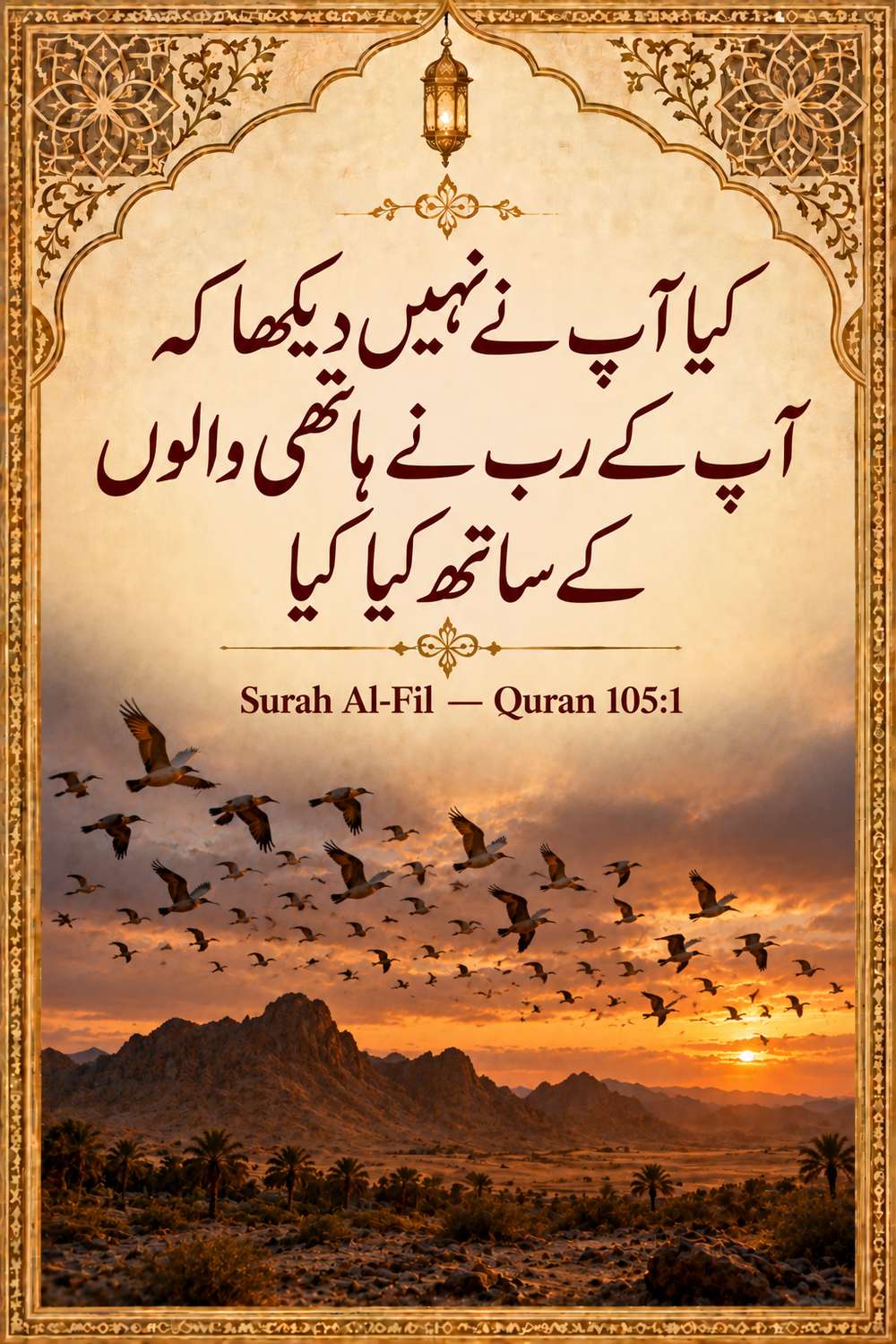
11. Surah Al-Fil
Surah Al-Fil recounts how Allah protected the Ka’bah from Abraha’s army of elephants. It reminds believers that Allah is the ultimate Protector.
Its lesson is to place our trust in Allah when facing powers that seem overwhelming.
Here are the Best Places for Online Quran Classes.
10. Surah Al-Qadr
Surah Al-Qadr describes Laylat al-Qadr, the Night of Decree, which is better than a thousand months. The Prophet (PBUH) said that whoever stands in prayer on that night with faith and hope for reward will have his previous sins forgiven (Sahih al-Bukhari and Sahih Muslim).
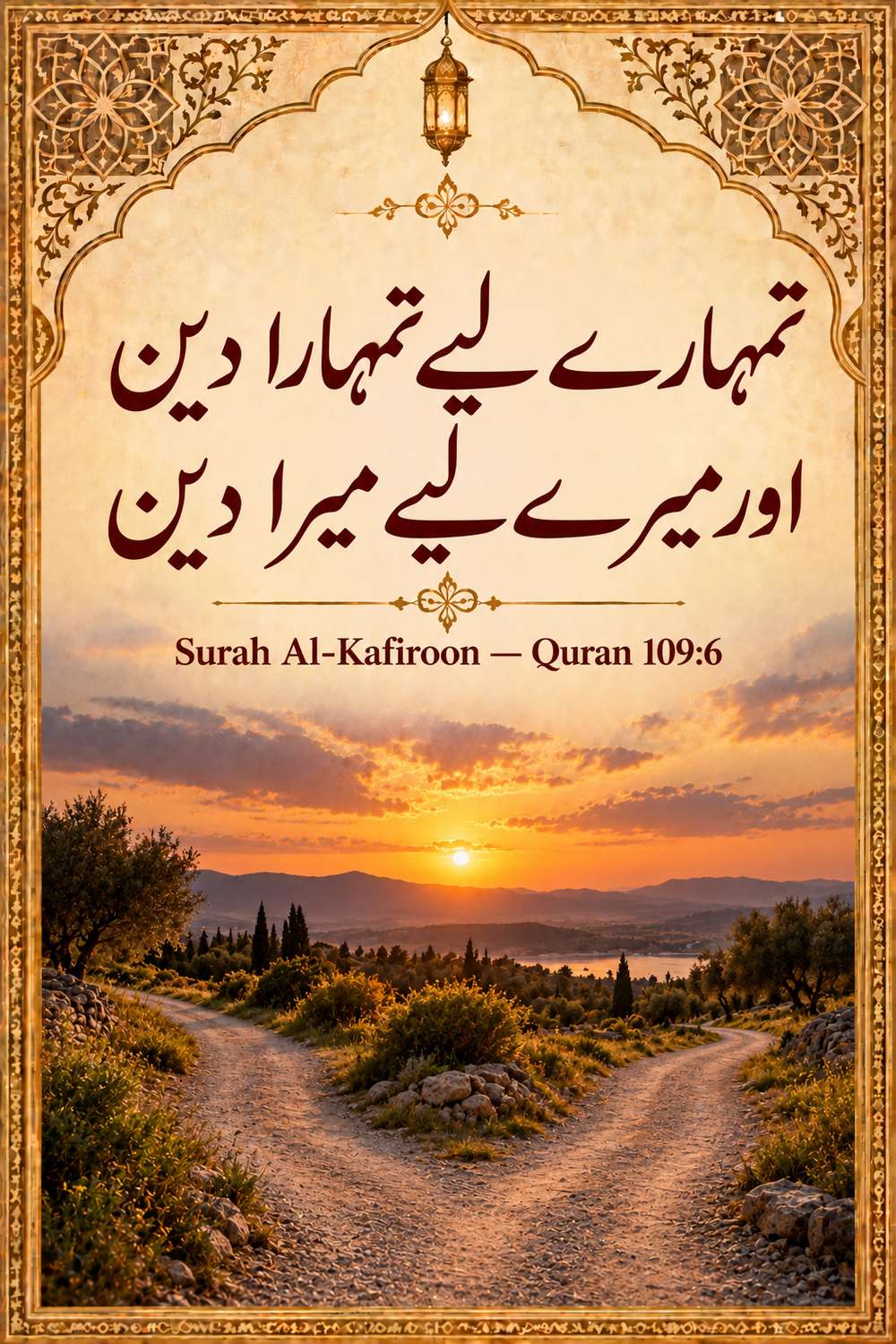
9. Surah Al-Kafiroon
Surah Al-Kafirun is a clear declaration of devotion to Allah alone. The Prophet (PBUH) advised reciting it before sleeping, as it is a declaration of freedom from shirk (Abu Dawud, Tirmidhi; graded hasan), and he often recited it with Al-Ikhlas in the two rakats of Fajr and after Tawaf (Sahih Muslim).
8. Surah Al-Nas
Like Surah Al-Falaq, this Surah is one of the Mu’awwidhatayn, which the Prophet (PBUH) recited for seeking refuge in Allah from evil whispers (Sahih al-Bukhari). See also evil eye in Islam.
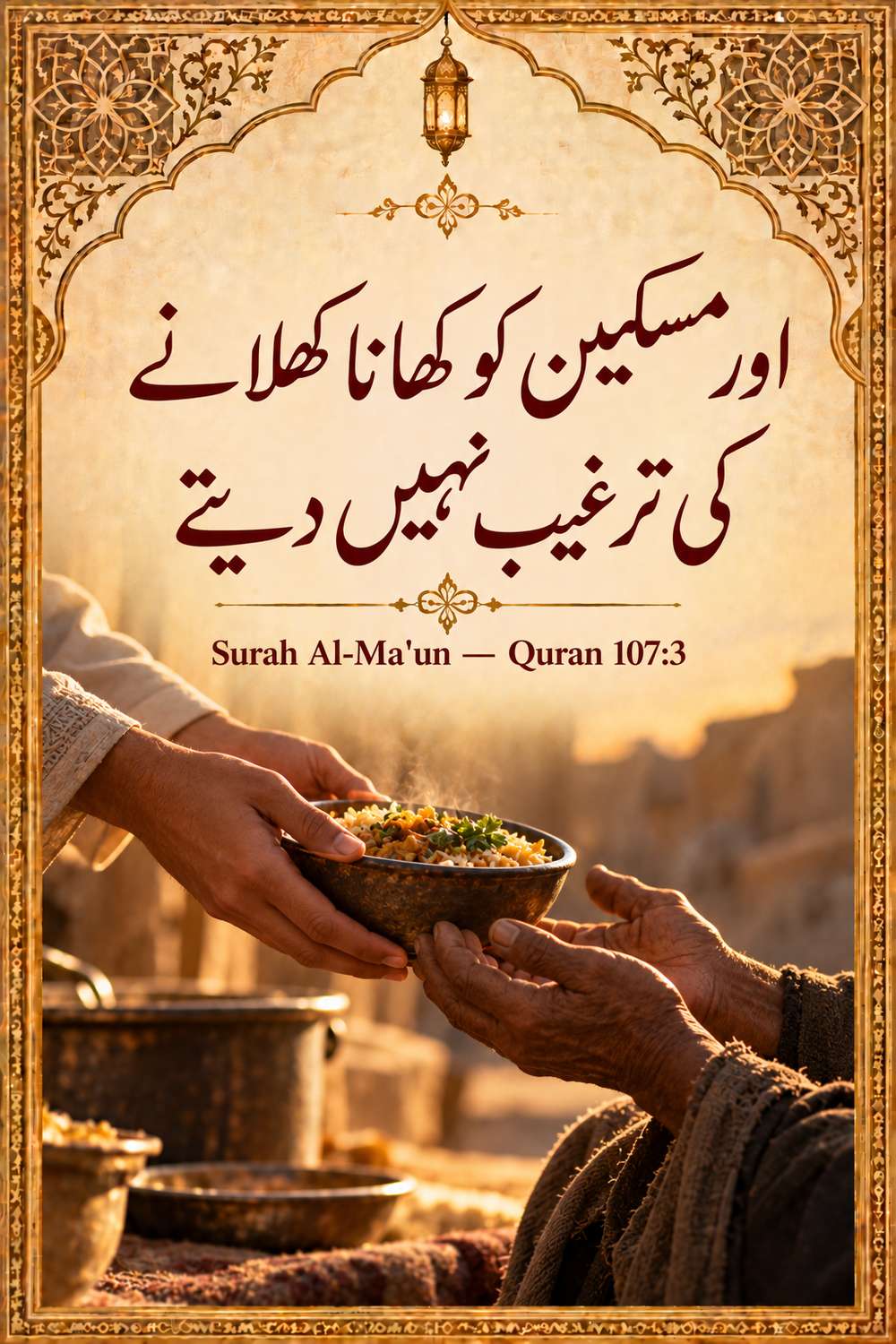
7. Surah Al-Maun
Surah Al-Ma’un warns against denying the Day of Judgment, mistreating orphans, neglecting the poor and praying only to be seen. It teaches that sincere worship must be joined with care for others.
6. Surah Al-Bayyinah
Scholars differ on whether this Surah is Makki or Madani. It describes the clear proof that came to people of the Book and the idolaters, and the reward of those who believe and do righteous deeds. The Prophet (PBUH) recited it to Ubayy ibn Ka’b (Sahih al-Bukhari and Sahih Muslim).
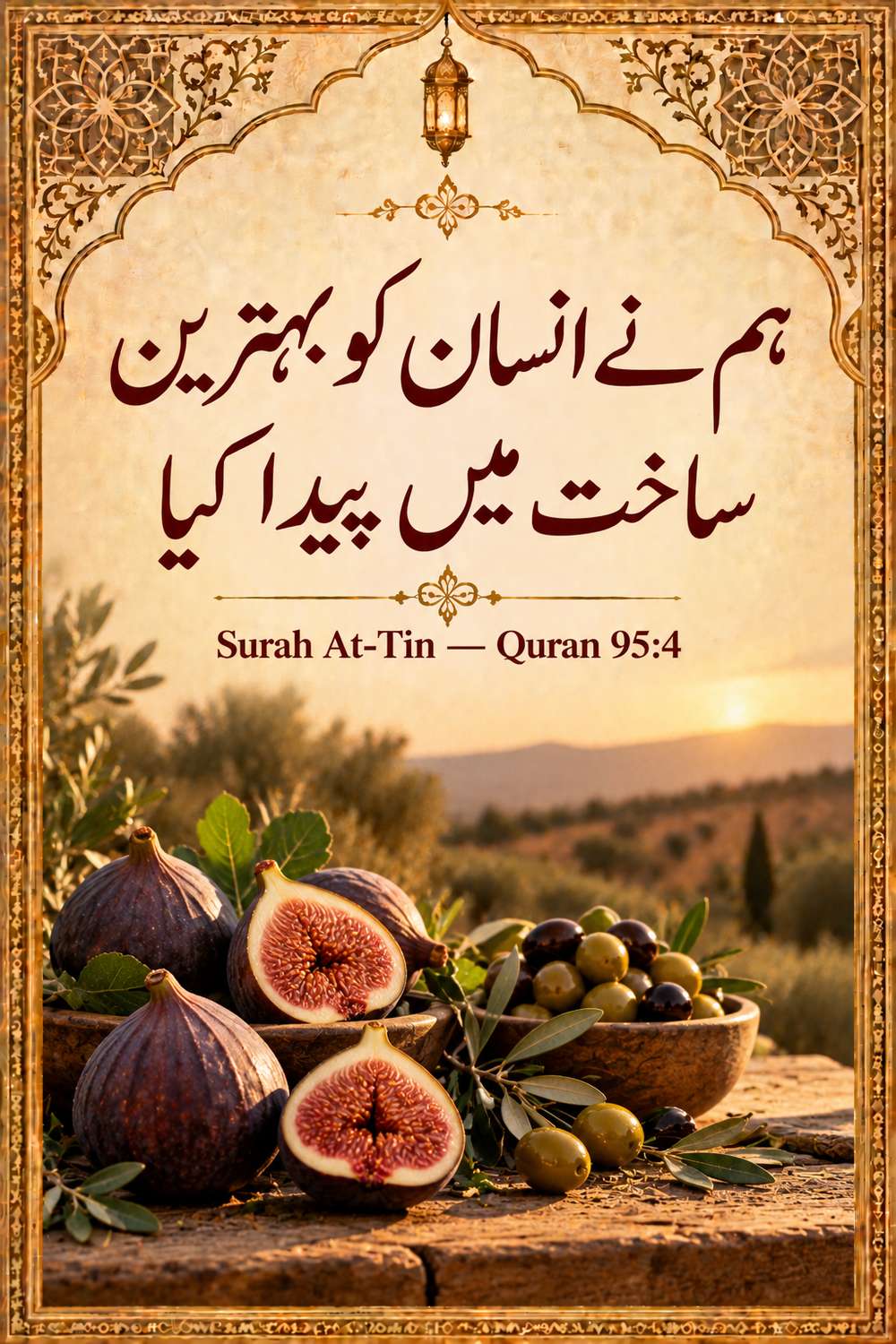
5. Surah Al-Tin
Surah At-Teen, also known as Fig. Allah swears by the fig and the olive and says He created man in the best of forms. The Prophet (PBUH) recited it in the Isha prayer (Sahih al-Bukhari and Sahih Muslim).
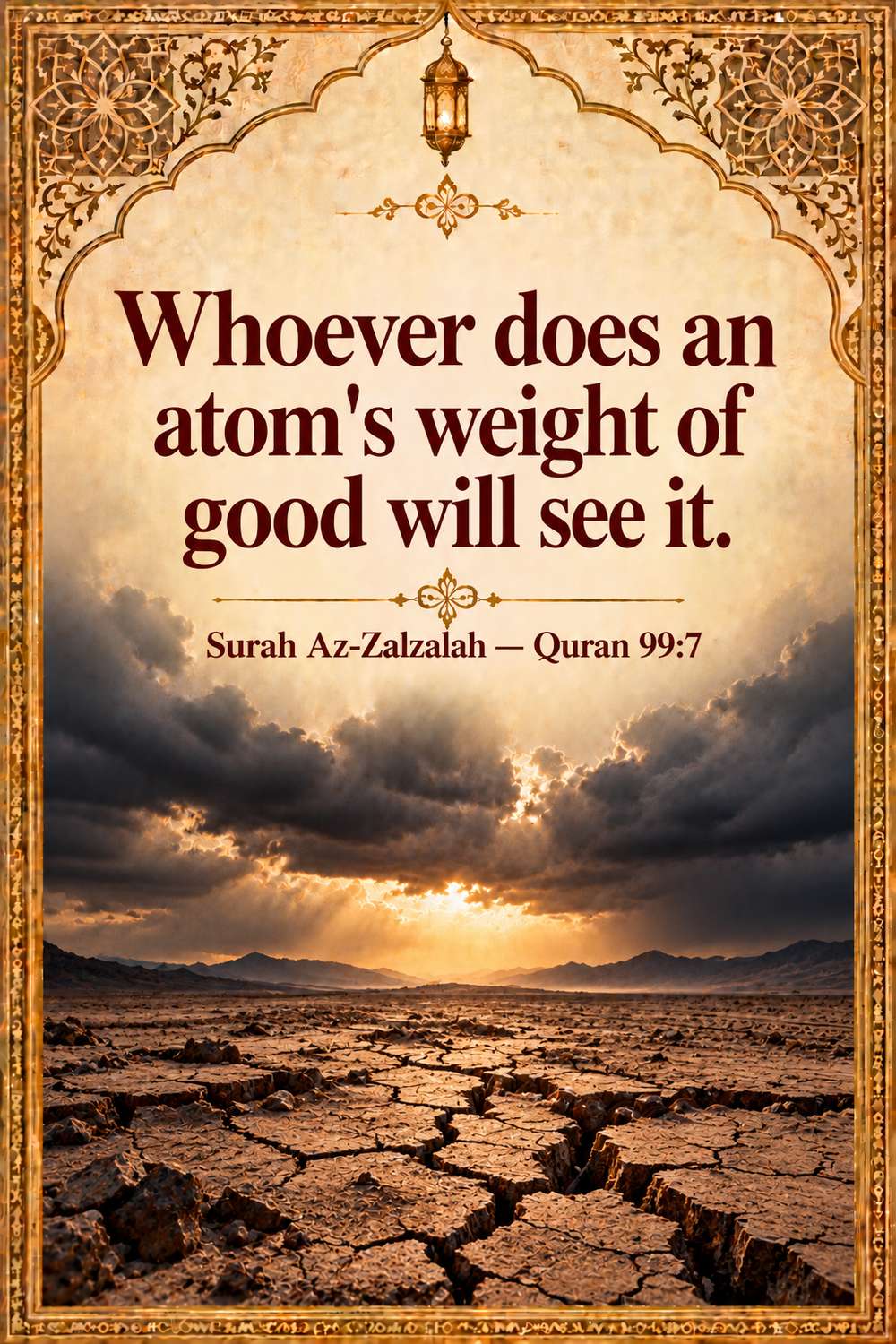
4. Surah Zalzalah
Surah Az-Zalzalah describes the earthquake of the Last Day, when the earth will bear witness to what people did. Whoever does an atom’s weight of good will see it, and likewise for evil. The report that it equals half of the Quran is weak in chain and is not relied on here.
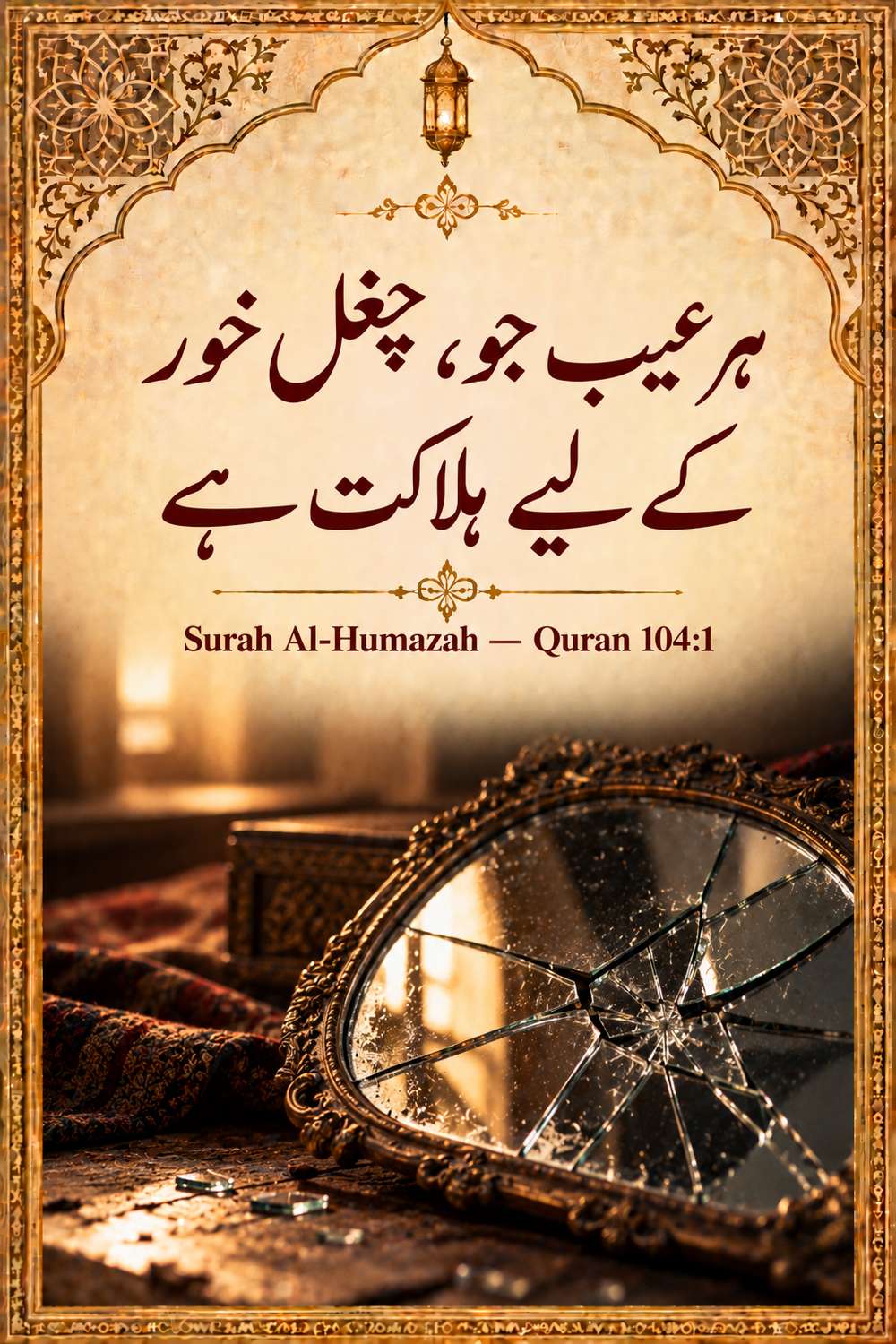
3. Surah Al-Humazah
Surah Al-Humazah warns against backbiting, slander and hoarding wealth while forgetting accountability before Allah.

2. Surah Al-Takathur
Surah At-Takathur warns that competing for worldly gain distracts people until they reach the grave, and that everyone will be questioned about the blessings they enjoyed. It is a reminder to prepare for the Hereafter.
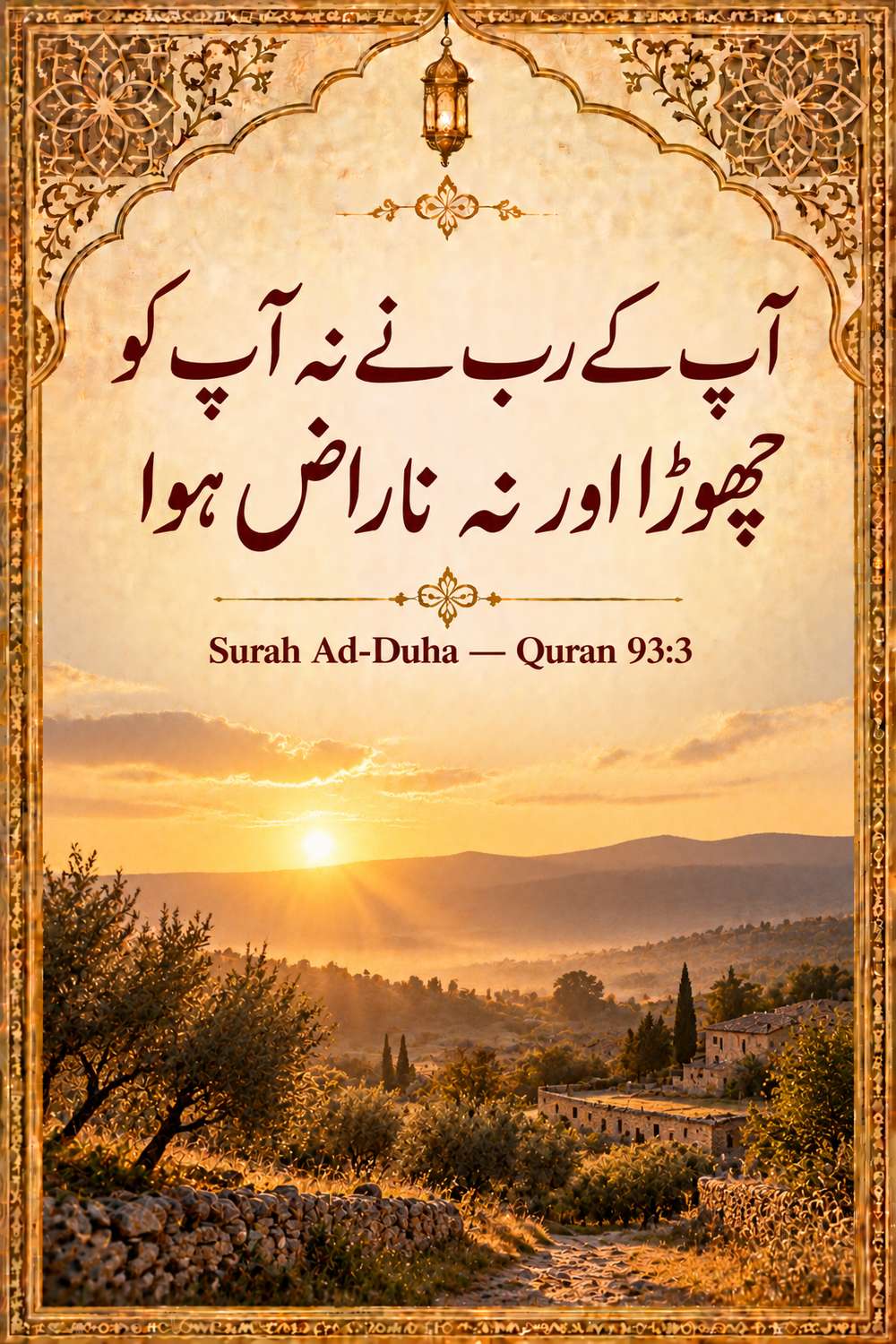
1. Surah Ad-Duha
Also known as brightness, Surah Duha has 11 verses. It was revealed to comfort the Prophet (PBUH), assuring him that his Lord had not abandoned him, and it reminds us to care for orphans and the needy and to speak of Allah’s blessings.
Without a doubt, these surahs are short but have the most powerful impact on our lives. It hardly takes a few minutes to memorize them. The rewards and virtues are countless and shouldn’t be missed out in worldly pleasures. It is recommended to memorize them. The Prophet (PBUH) said the Quran will intercede for its companions on the Day of Judgment (Sahih Muslim), so we should recite it, understand it and act on it. Note that some virtues commonly quoted online for individual surahs (such as curing illness, finding lost items or increasing wealth) have no sound basis, so they are not repeated here. May Allah protect us and guide us to the righteous path, the path of his beloved people.
Frequently Asked Questions
Which surahs are easiest for beginners to memorize?
Many start with Surah Al-Fatihah, then Al-Ikhlas, Al-Falaq, An-Nas, Al-Kawthar and Al-Asr, because they are short and are often recited in prayer. A teacher of Tajweed can help you recite correctly.
Are the virtues of each surah listed online authentic?
Only some are. Authentic reports exist for Al-Fatihah, Ayat al-Kursi, Al-Ikhlas, Al-Falaq and An-Nas, among others. Many other claimed benefits, such as curing illness or finding lost items, are not based on sound reports, so avoid presenting them as certain.
Which surah is equal to a third of the Quran?
The Prophet (PBUH) said that Surah Al-Ikhlas equals a third of the Quran (Sahih al-Bukhari). Scholars explain this as a reference to its reward and its focus on tawhid. See Surah Fatihah summary and benefits.
Is it obligatory to memorize the whole Quran?
No. Memorizing the Fatihah and some other verses is required for prayer, while memorizing the entire Quran is a communal obligation for the community and a great virtue for those who do it.
How can I make memorizing easier?
Repeat a few verses daily, recite them in prayer, listen to a reciter and review regularly. Consider asking a qualified teacher to check your pronunciation.