
40 hadith with images: Ahadith (plural) are a source of knowledge for Muslims. Helps them to know the details regarding the Prophet’s life and teachings. They confirm the Prophet’s teachings on various religious issues. Islam celebrates seeking knowledge as a virtue and is mentioned in Quran and Hadith as well. Anas ibn Malik R.A, reported, the Messenger of Allah ﷺ, said:

There is no age limit for learning, and seeking beneficial knowledge is a lifelong journey. Knowledge removes ignorance and heedlessness, which are frowned upon in Islam; but most importantly, sincere knowledge raises a person in the sight of Allah SWT, as the Quran says: “Allah will raise those who have believed among you and those who were given knowledge by degrees” (58:11). As we go down the path of knowledge we should make duaá that all the knowledge we acquire, Allah SWT gives us tawfiq (success and guidance) to implement it in our lives as well.
Reasons To Seek Knowledge
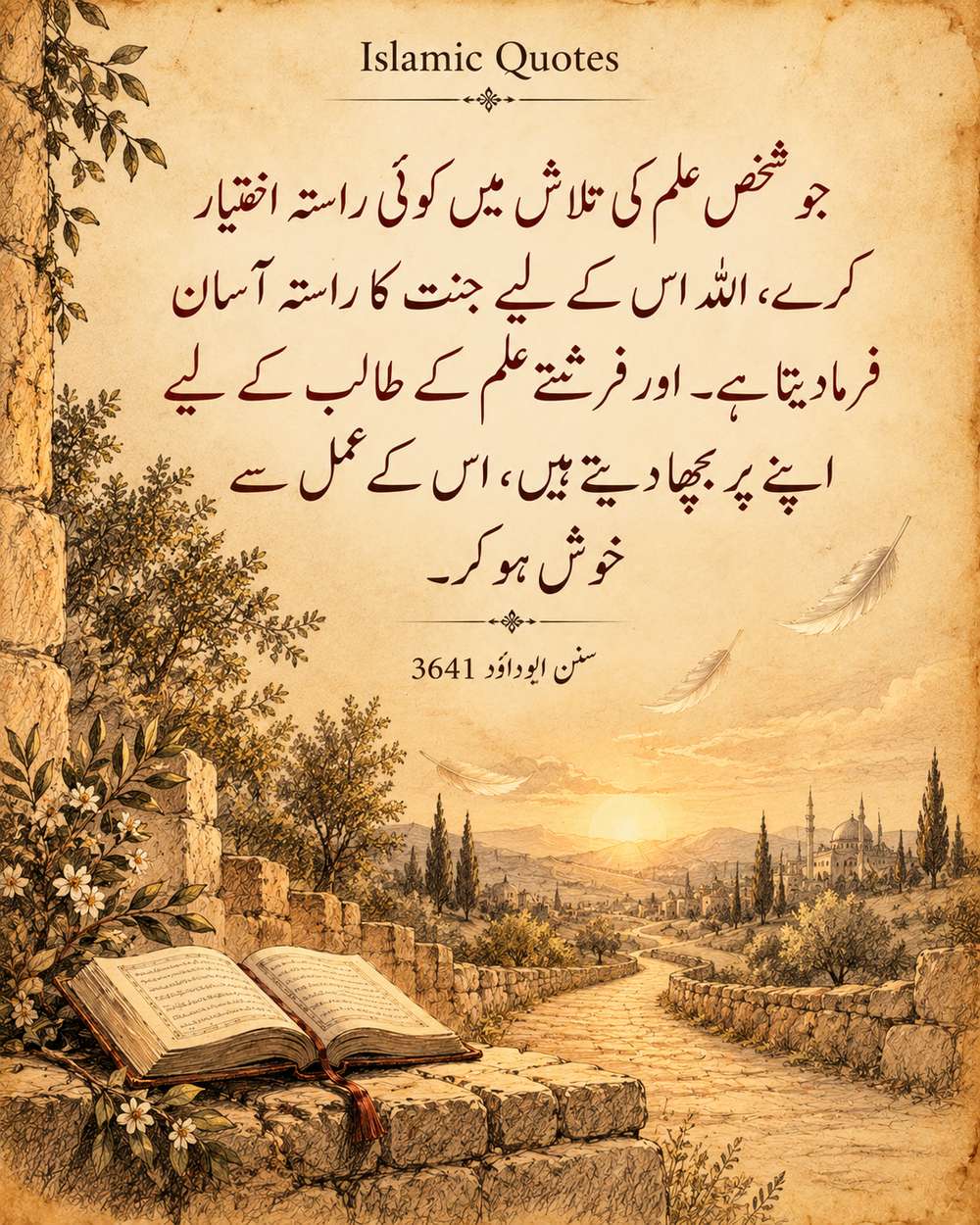
- Knowledge Makes The Path To Paradise More Clear:
As we read and learn, we start to differentiate between Halal (allowed by Allah SWT) and Haraam ( forbidden by Allah SWT). Learning doesn’t mean becoming an accomplished scholar. It means to seek enough knowledge that our daily lives can be spent by the ways set by our Prophet Muhammad ﷺ. We can now understand what holds importance in the eyes of Allah SWT and what we should keep ourselves away from, to avoid His displeasure. At the same time, we should always keep in mind that this knowledge should not make us arrogant and make us feel superior to others. Prophet Muhammad ﷺ said:
Whoever takes a path in search of knowledge, Allah will cause him to walk in one of the paths to Paradise. Indeed the angels will lower their wings in great pleasure with the one who seeks knowledge – DAWUD
You can learn more on this from our earlier post on Inspiring Islamic Quotes on Education / Knowledge /Study.
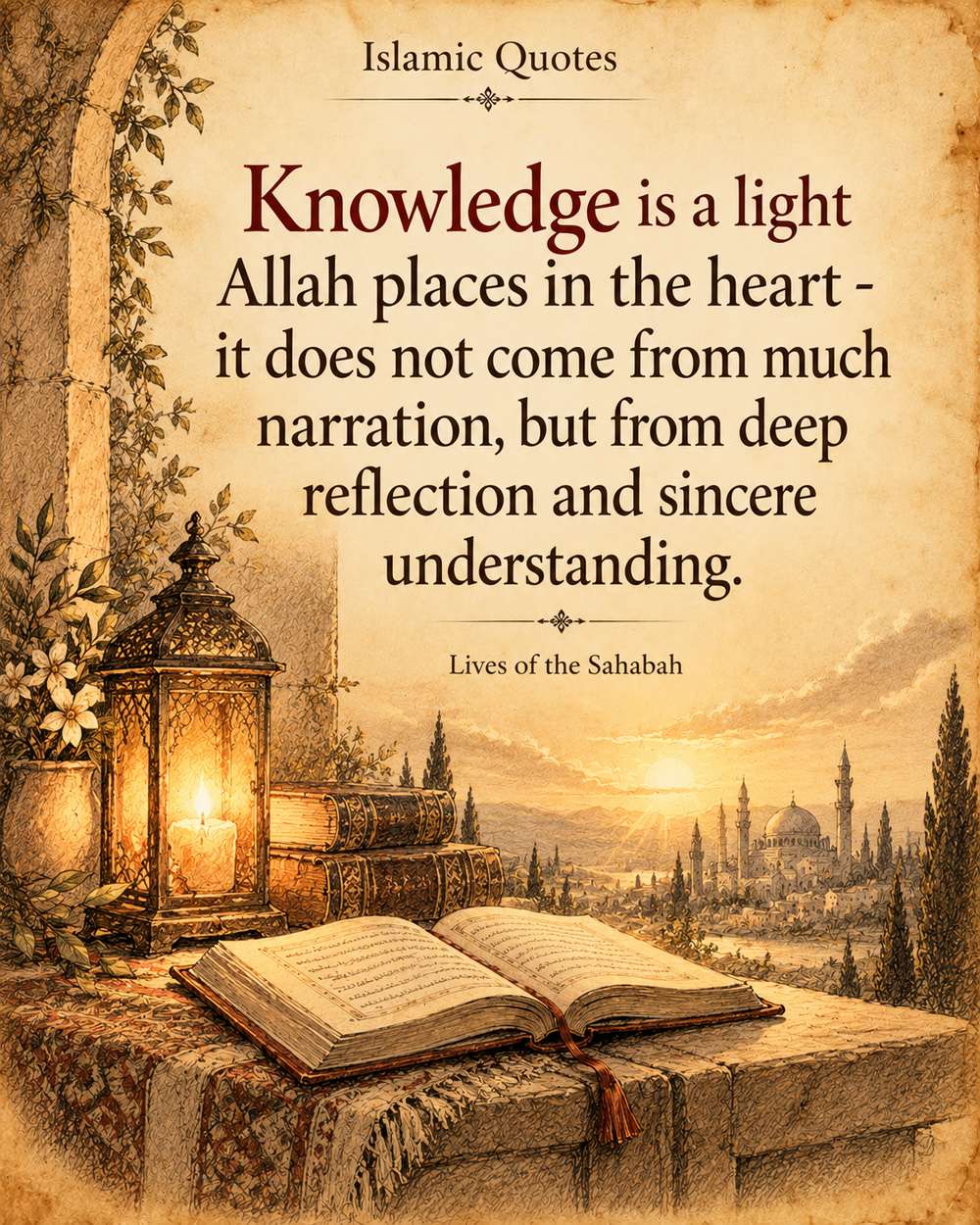
- Knowledge Helps Us Ponder On Our Life:
To err is human goes a famous saying which is very much true. We commit countless sins daily some of them knowingly and the rest in ignorance. This knowledge will help us contemplate all that we have done wrong in the past, what should be done in the present and what to be avoided in the future with the help of Allah SWT. In the book Lives Of The Sahabah, Abdullah Bin Masood R.A reported :
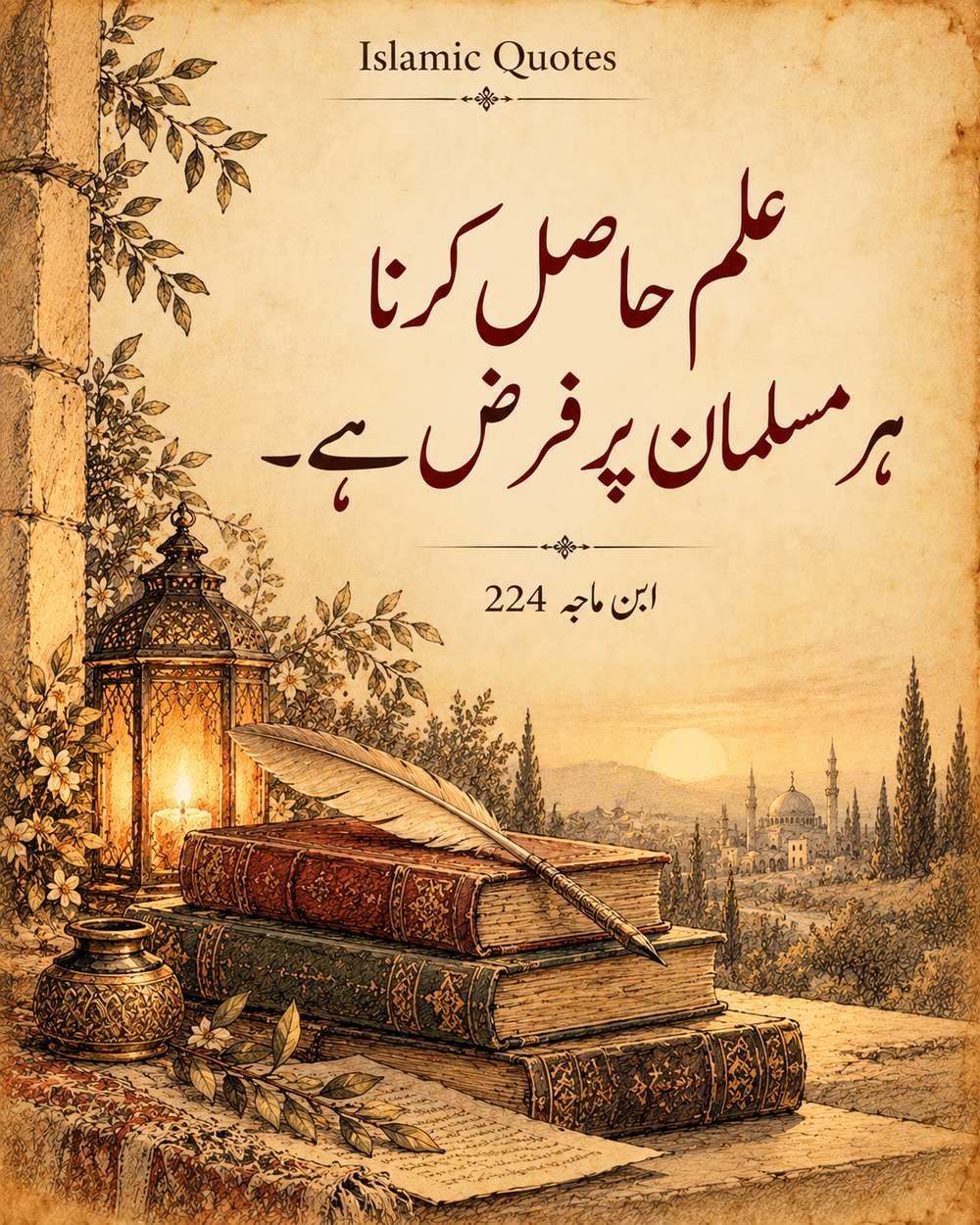
- Seeking Knowledge Is Compulsory
Our life is a learning journey. Indeed it is next to impossible to learn everything that is there to know. But we can learn what all we NEED to know. What does that mean? If we are engaged to be married, we need to the boundaries set by Allah SWT for what all that is acceptable after marriage and all that is forbidden, for example, shariah rules set for intercourse, ghusl, etc. Or if we are planning out a business strategy, we must know what all is prohibited while making any kind of transaction. Prophet Muhammad ﷺ :
Why You Should Memorize 40 Ahadith?
There are various narrations on the virtue of memorizing and preserving forty hadiths. Hadith scholars, including Imam al-Nawawi, note that the chains of these narrations are weak, although they have many routes. Some scholars consider them acceptable for encouraging virtuous deeds, while others reject them entirely, so the reward should not be stated as certain. Even so, many great scholars compiled collections of forty hadith, seeking the virtue mentioned and, more importantly, to make the core teachings of Islam easy to learn and remember. The hadiths on the virtue of memorizing and transmitting forty hadiths have been transmitted by thirteen different companions, including,
- Alī bin Abī Tālib,
- Abd Allah bin Mas`ūd
- Mu`āz bin Jabal,
- Abū al-Dardā, Ibn `Umar
- Ibn `Abbās
- Abū Hurairah
- Abū Sa`īd al-Khudrī (may Allah be pleased with them all).
Whosoever memorizes and preserves for my people forty hadith which will benefit them in regards to their religion, Allah will resurrect him on the Day of Judgment among the religious scholars. And the excellence of a religious scholar over a (non-scholar) worshipper is of seventy degrees. Allah knows best that which is between two degrees. – BAYHAIQI
1- Be Cautious From Becoming Angry
The Messenger of Allah ﷺ said:

If you struggle with anger management, do go through these Powerful Duas to Control Anger & Other Negative Emotions.
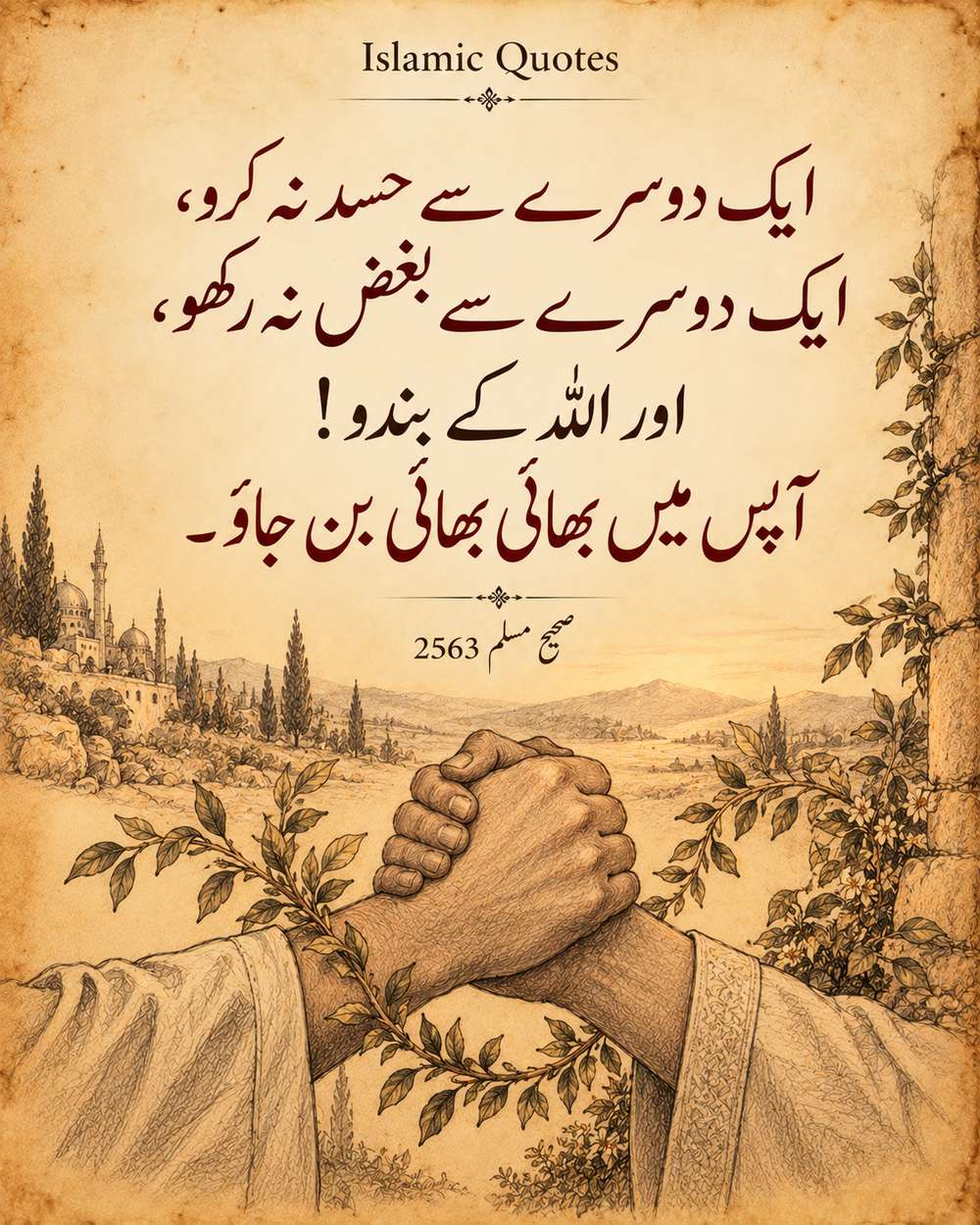
2- Jealousy Is Forbidden
Abu Hurayrah R.A reported that the Prophet ﷺ said:
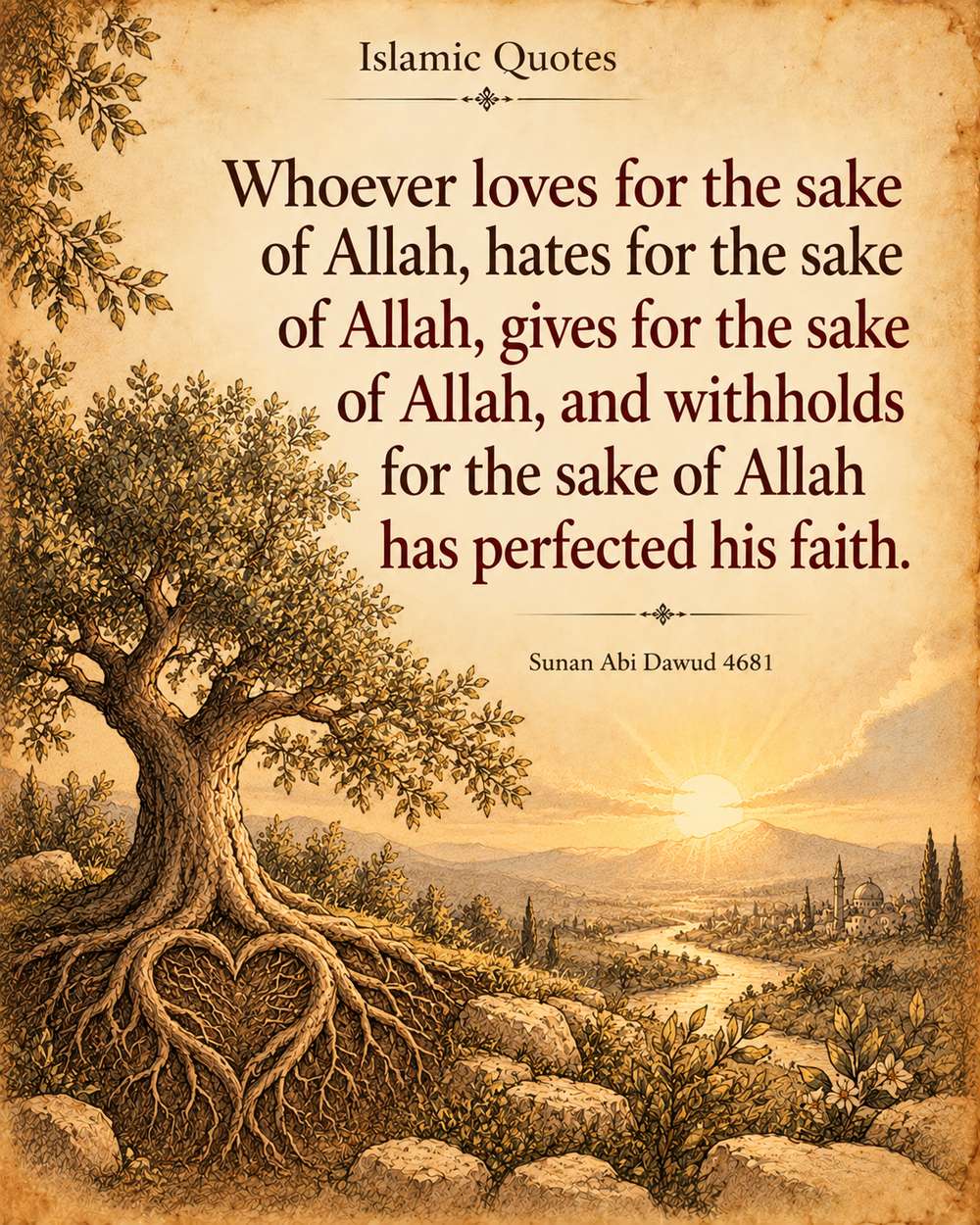
3- One Of The Branches Of Imaan (Faith)
Abu Umamah narrated that the Messenger of Allah ﷺ said:
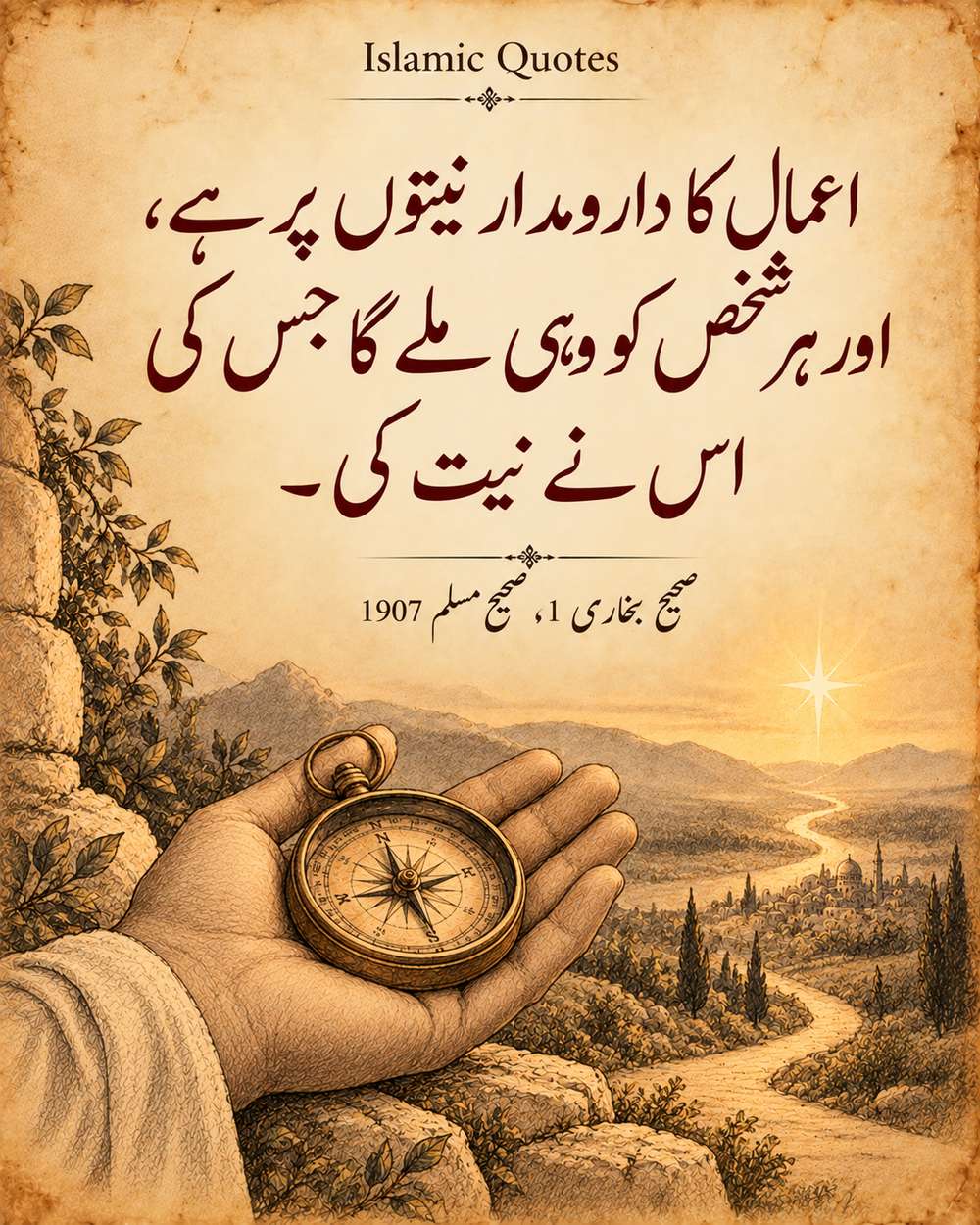
4- Deeds Are Rewarded On Niyyah (Intention)
Abu Hafs ‘Umar bin al-Khattab R.A, who said: I heard the Messenger of Allah ﷺ say:
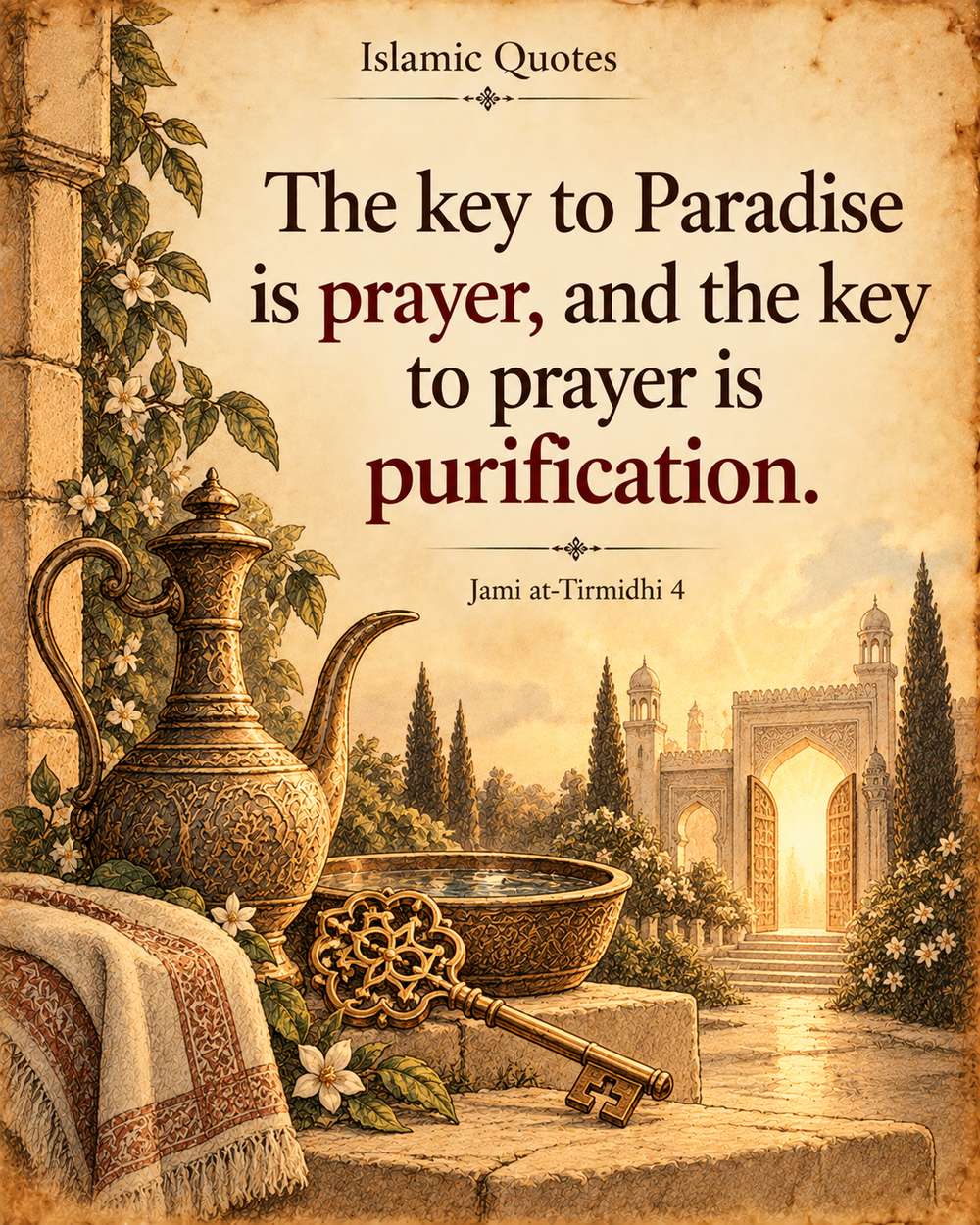
5- Key To Paradise (Jannah)
Jabir ibn Abdullah reported the Messenger of Allah ﷺ said,
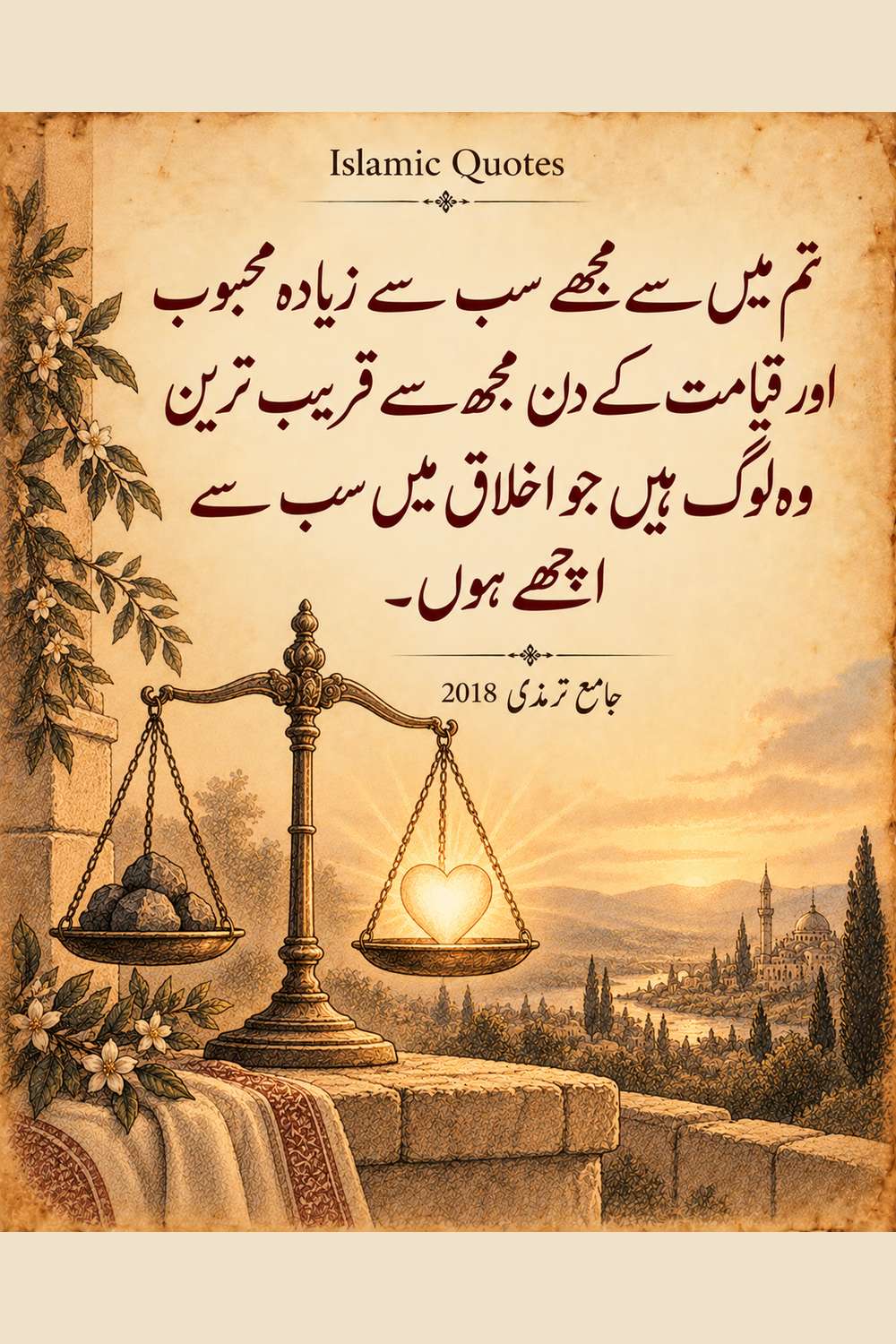
6- Character Traits
Jabir R.A reported that the Messenger of Allah ﷺ said:
7- Cheating And Deception Not Allowed
Abu Huraira reported, the Messenger of Allah ﷺ said:
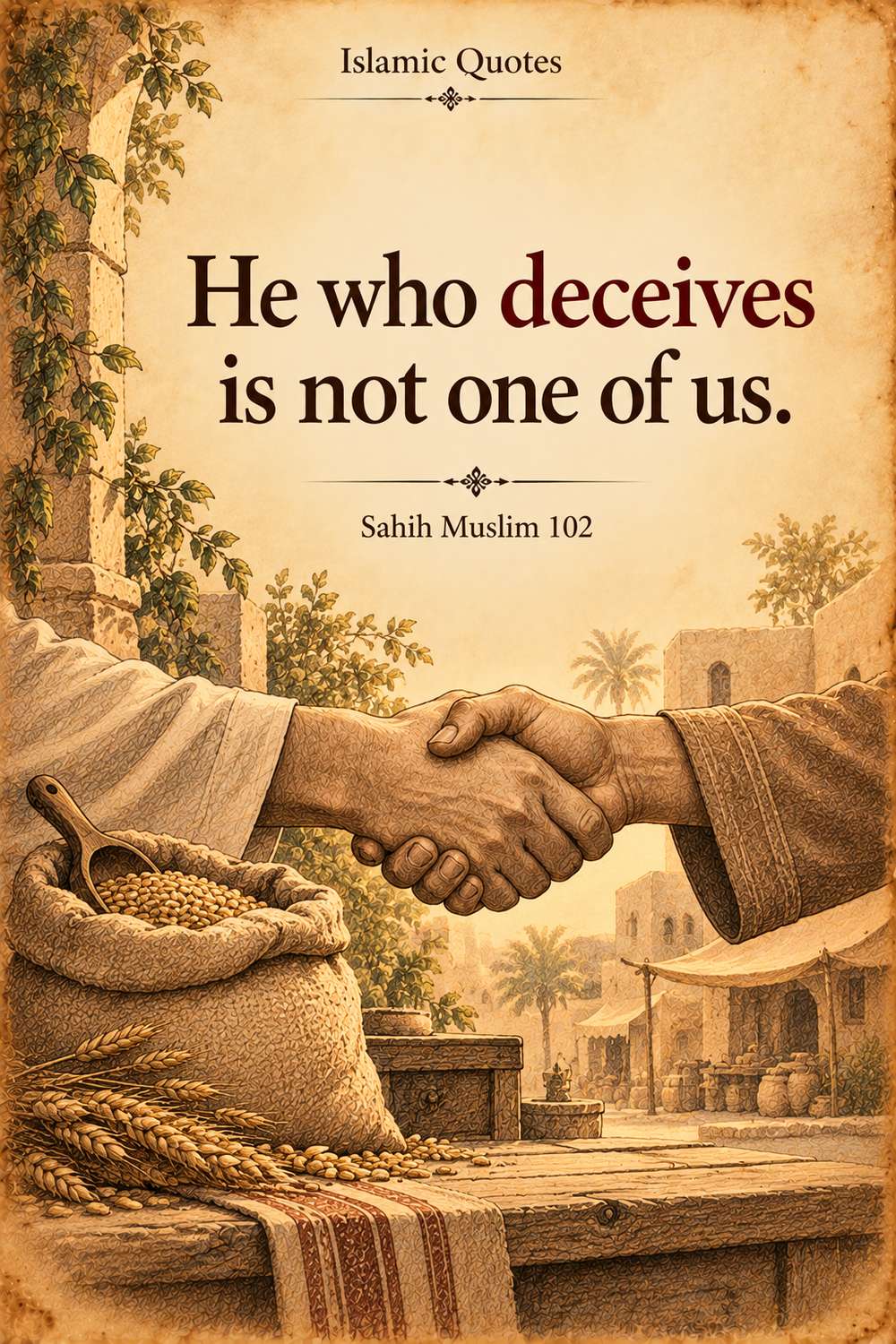
8- Love Allah And His Messenger ﷺ
Abdullah ibn Mas’ud R.A reported: A man came to the Messenger of Allah ﷺ and he said, “O Messenger of Allah, what do you say about a man who loves a people but his deeds do not compare to theirs?” The Prophet ﷺ said :

9- Strive To Help Fulfill The Need Of Others
Abu Musa reported, if a beggar or a needy person came to the Prophet ﷺ, he would say to his companions:
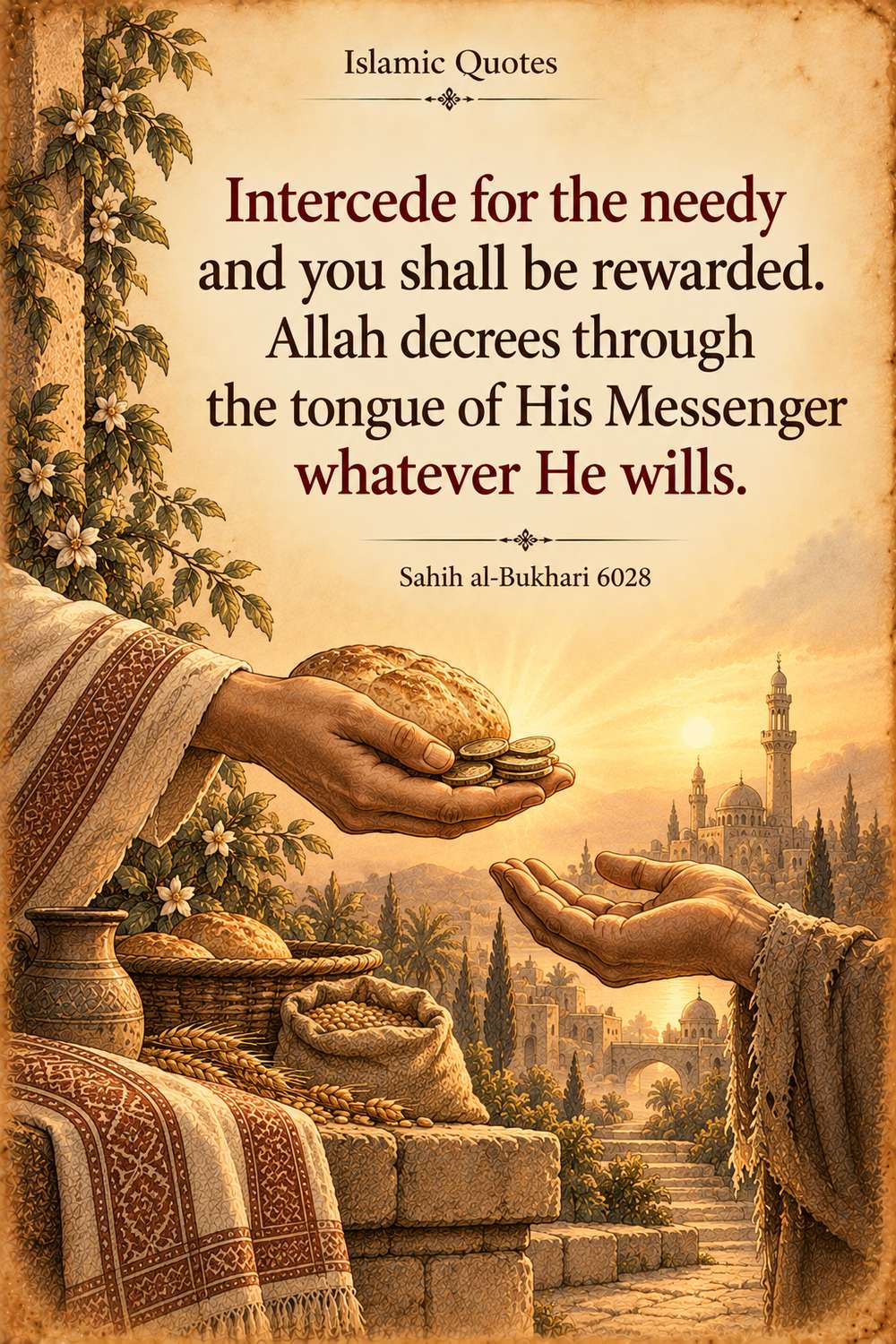
10- Fear The Supplication Of The Wronged
Anas ibn Malik reported, the Messenger of Allah ﷺ said:
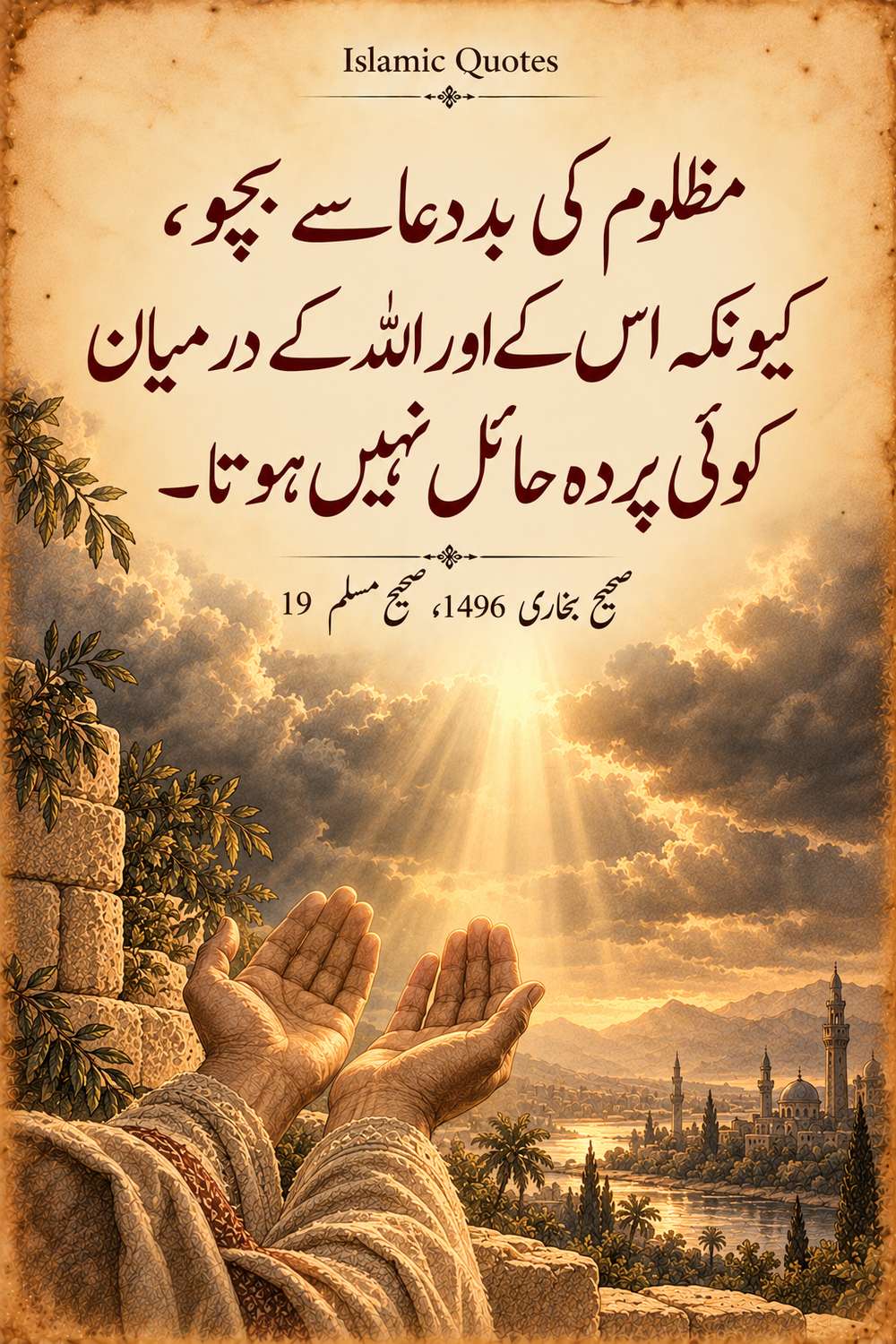
11- Treat People Nicely
On the authority of Abu Dharr Jundub ibn Junadah, and Abu Abdur-Rahman Muadh bin Jabal R.A, that the Messenger of Allah ﷺ said:
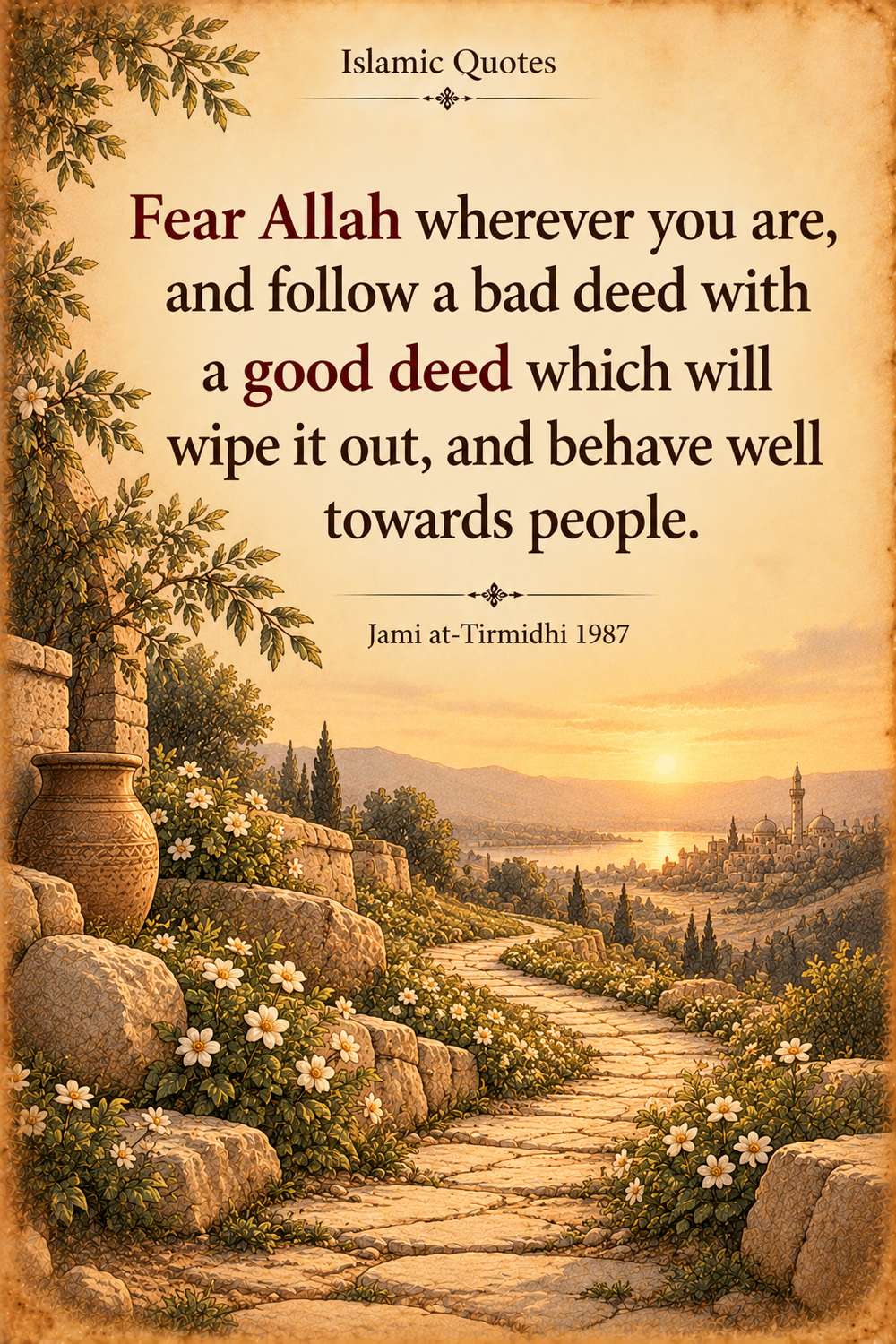
12- Eating Ettiquettes
Ibn Umar reported, the Messenger of Allah ﷺ said:
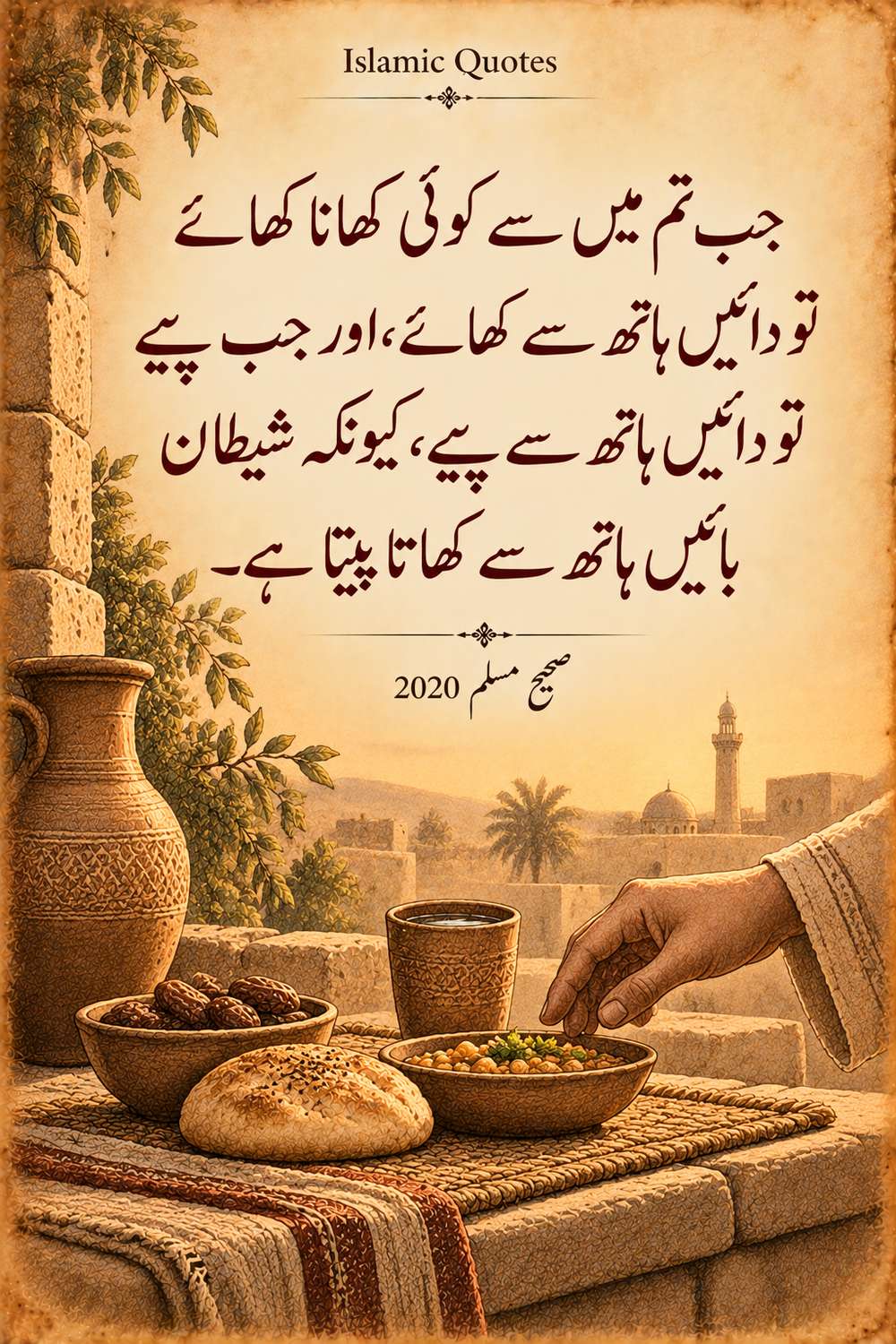
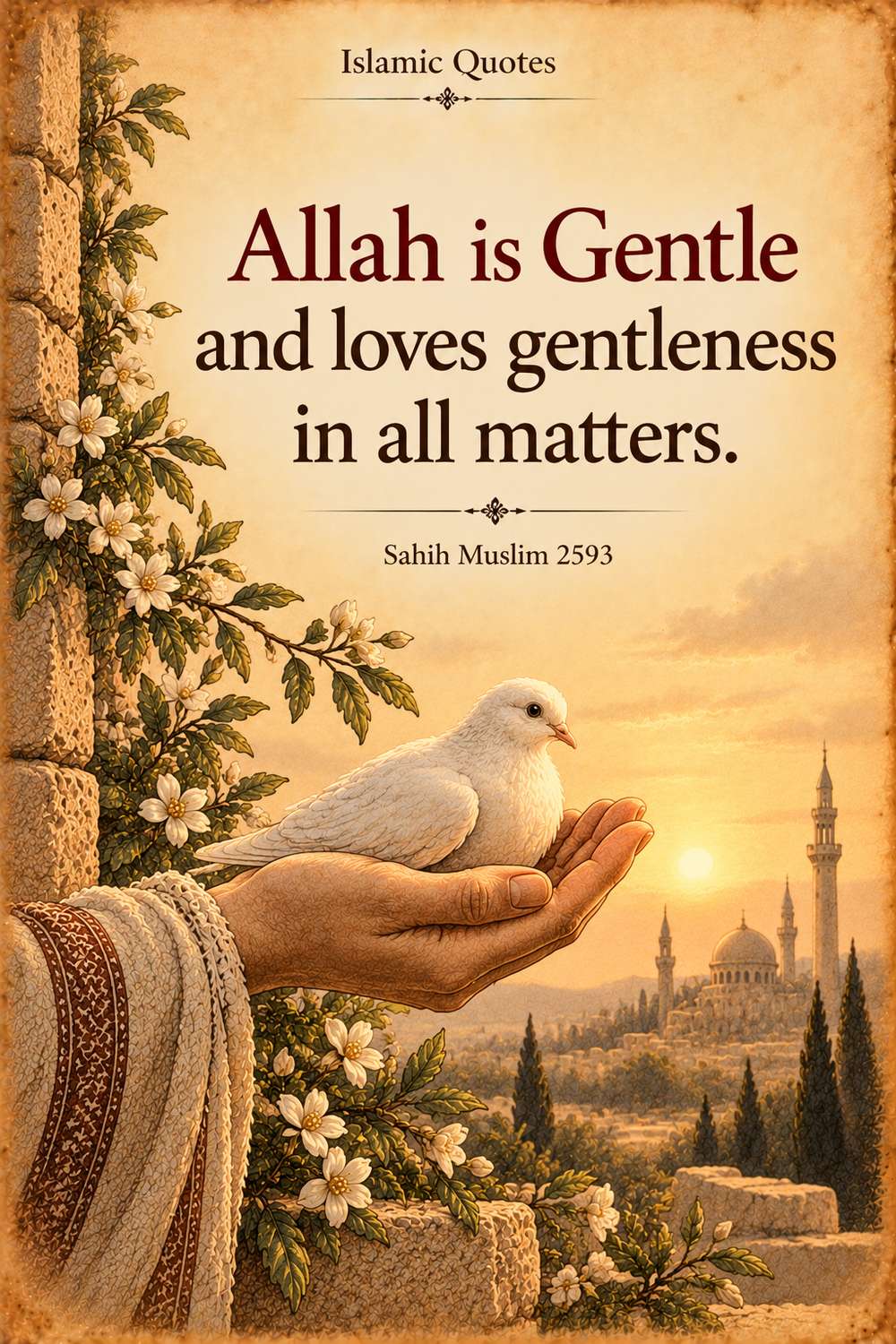
13- Be Kind
A’isha R.A reported the Messenger of Allah ﷺ said:
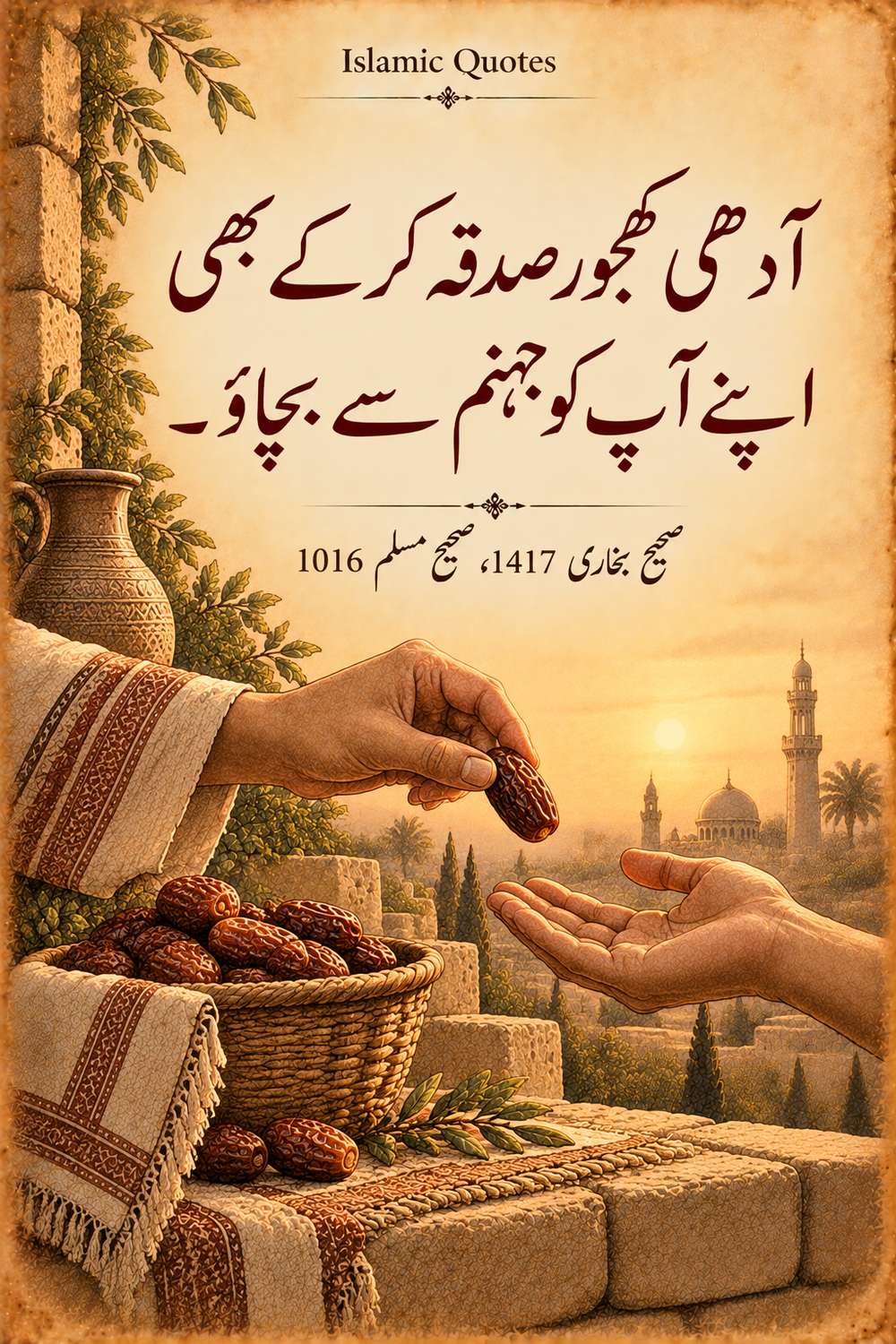
14- Giving Sadaqah
Adi bin Hatim R.A heard the Prophet of Allah ﷺ saying:
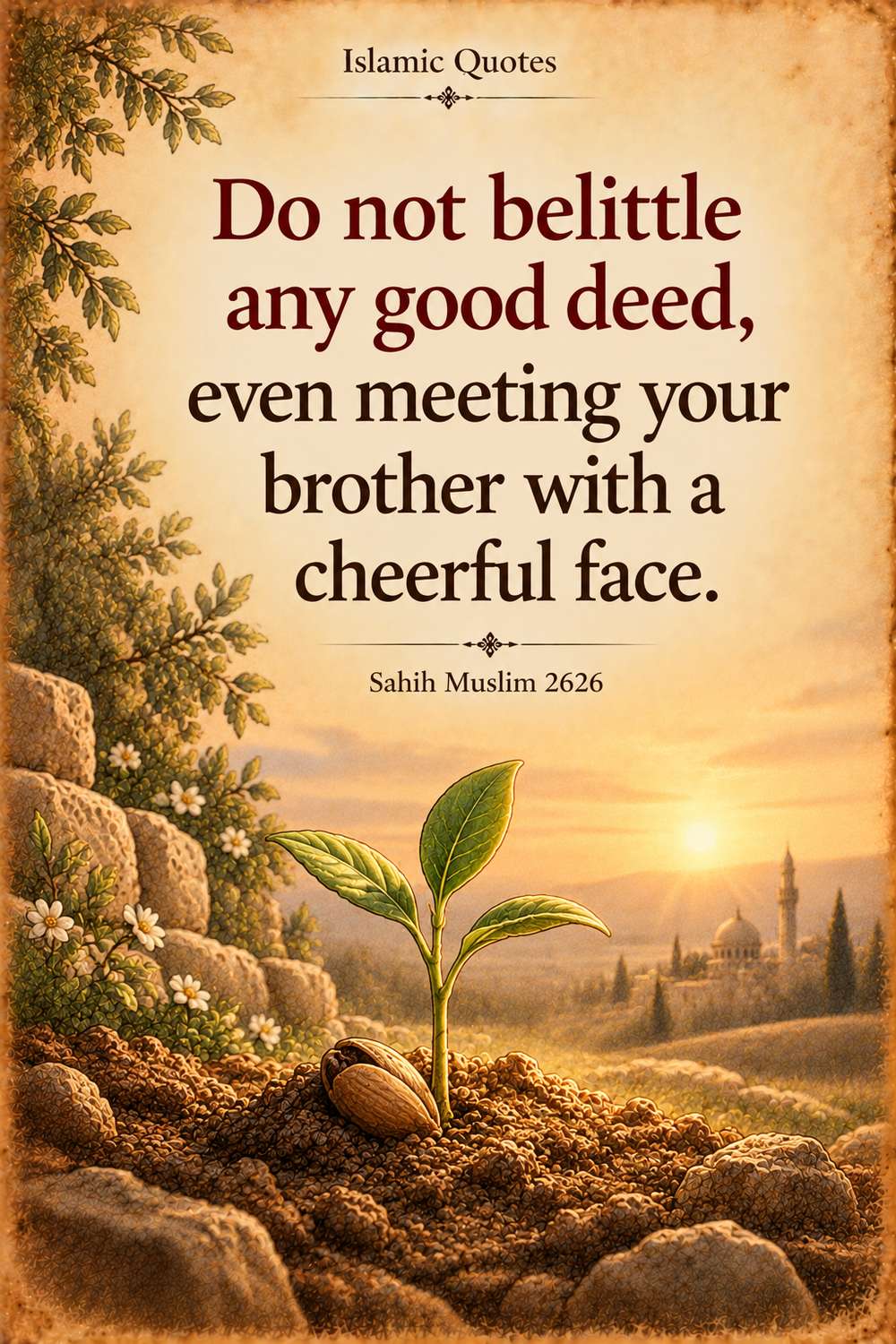
15- Even The Smallest Of Good Deed Counts
Abu Dharr R.A narrated that the Messenger of Allah ﷺ said:
16- Strengthen Your Realtionships
Anas ibn Malik reported that the Messenger of Allah ﷺ said:
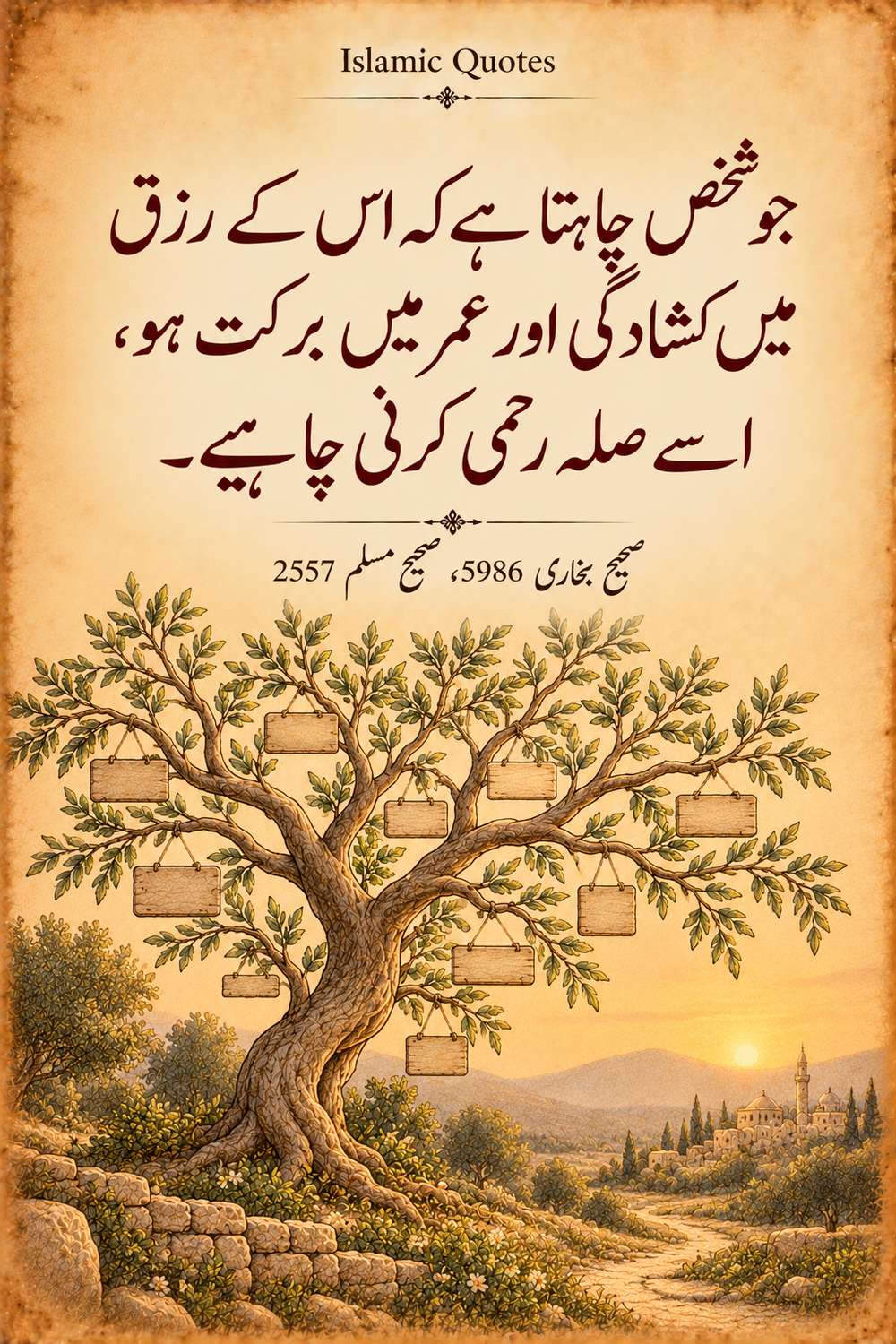
17- ٌRevive Sunnahs In Your Life
Abdullah ibn Amr reported, the Messenger of Allah ﷺ said:
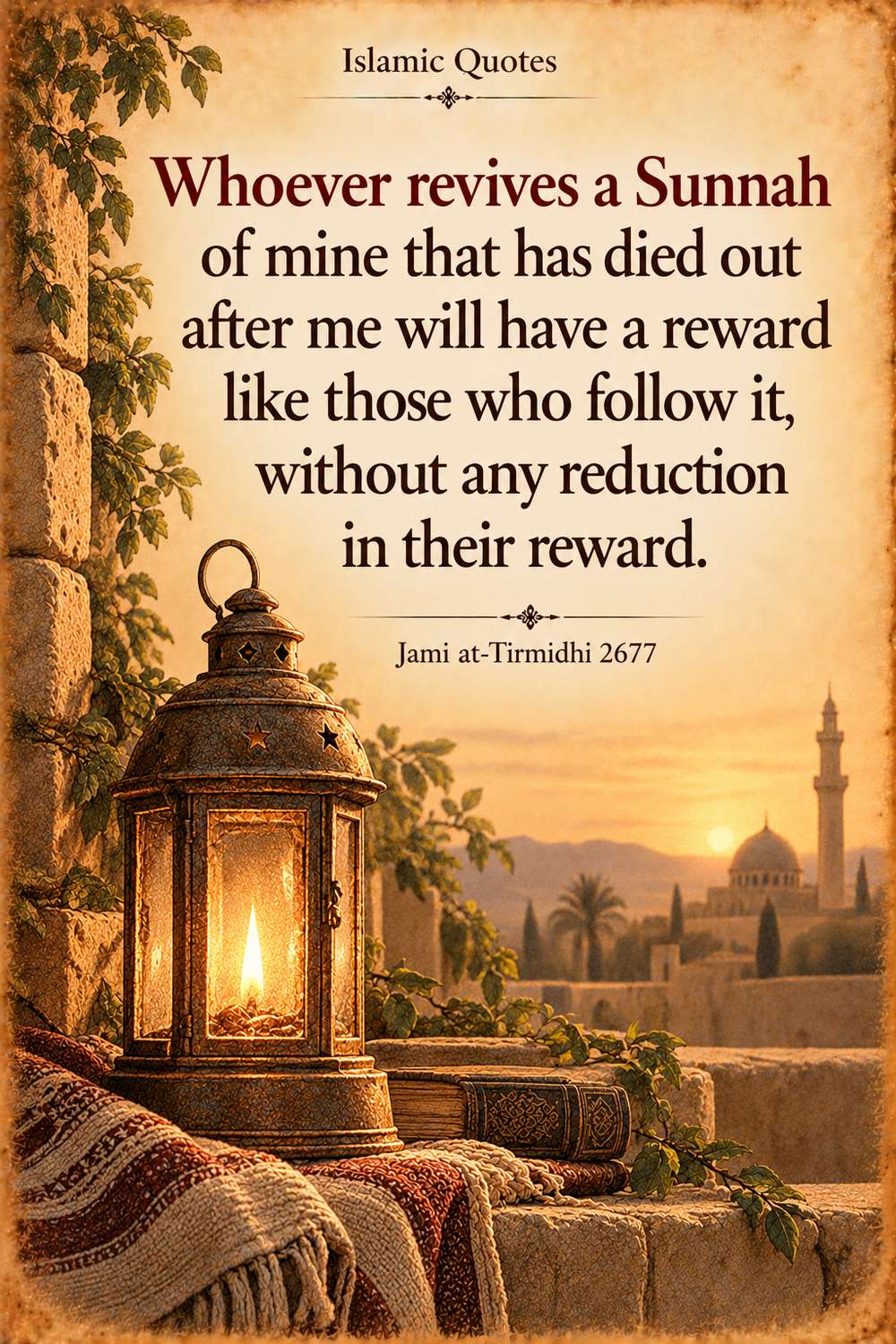
18- Allah SWT Is With The Patient
Anas ibn Malik reported that the Messenger of Allah ﷺ said:
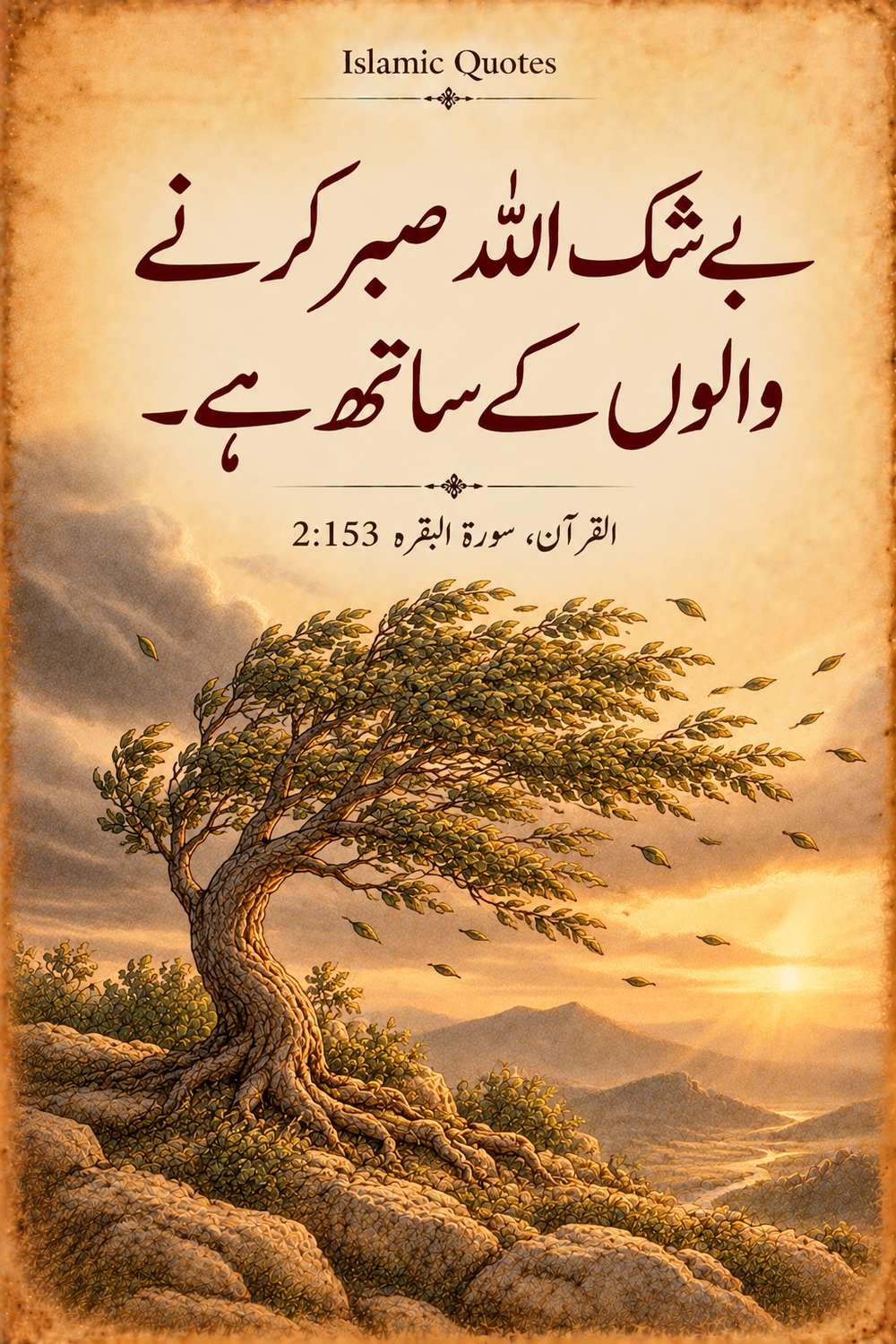
19- Good Ikhlaq (Manners)
Narrated by Abdullah bin `Amr R.A, the Prophet ﷺ never used bad language. He used to say
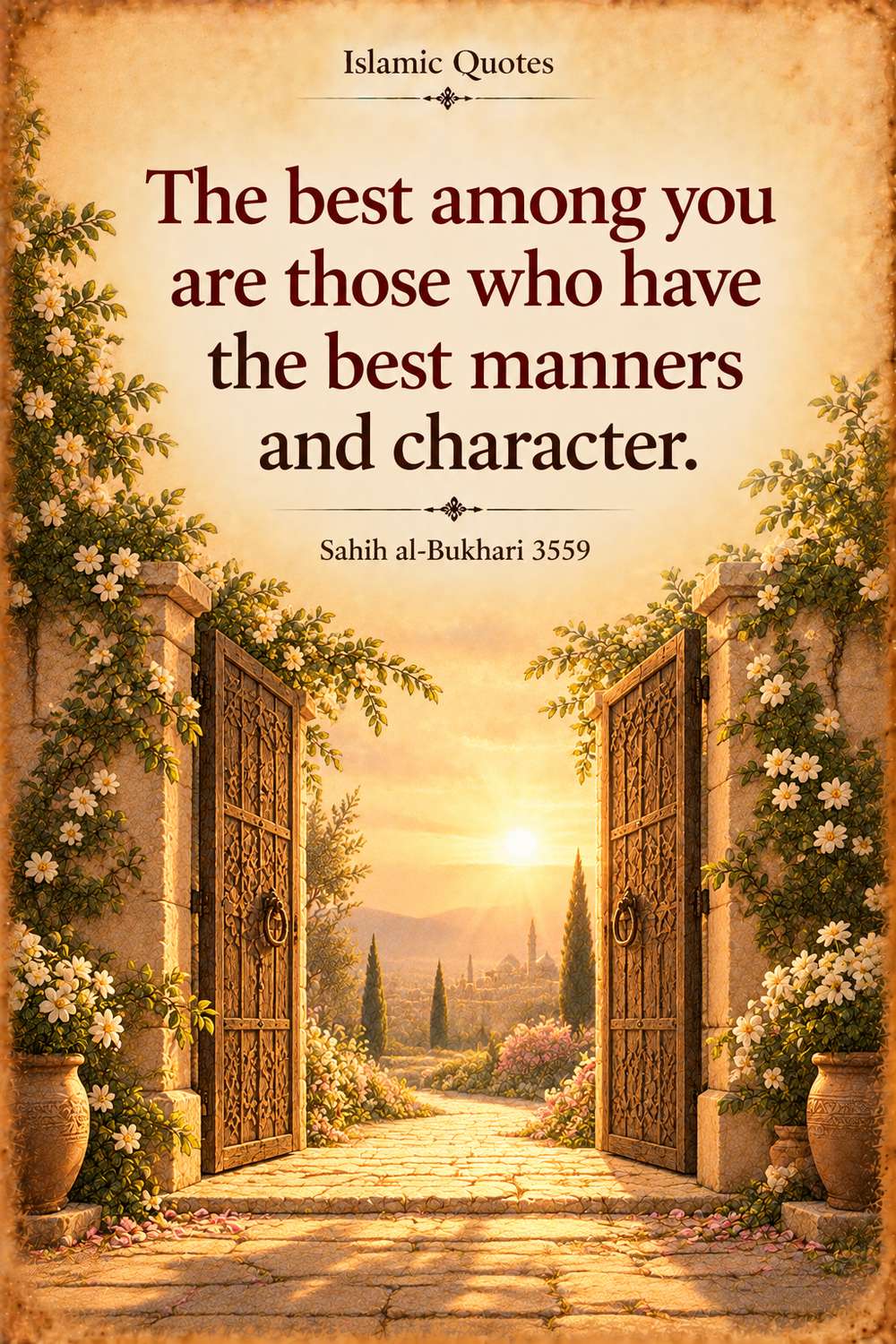
20- Be Thankful
Abu Huraira reported, the Prophet ﷺ said:
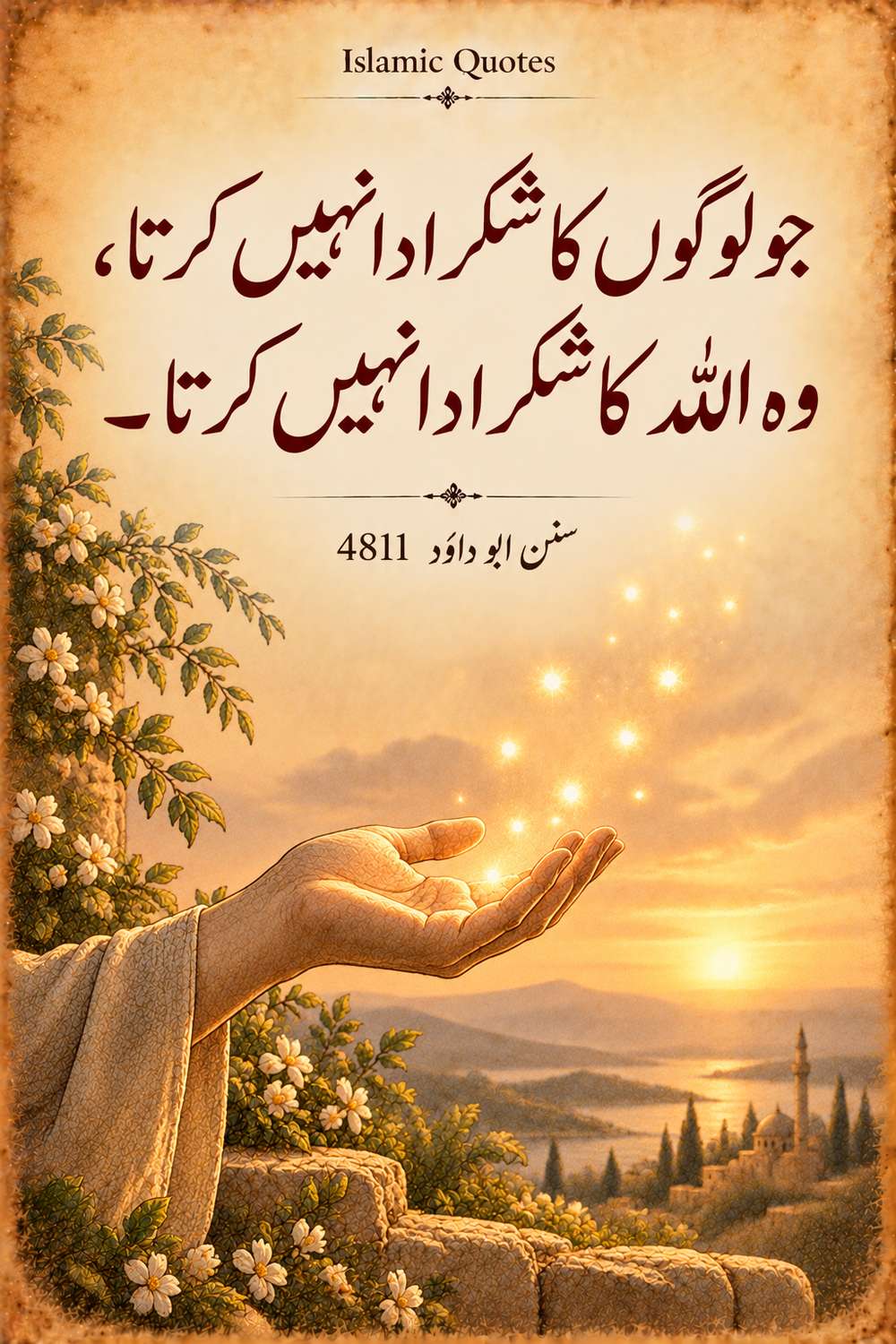
Here are some more Beautiful Thanking Allah Quotes.
21- Insulting Your Muslim Brother Is Frowned Upon
Narrated ‘Abdullah R.A, the Prophet ﷺ said:
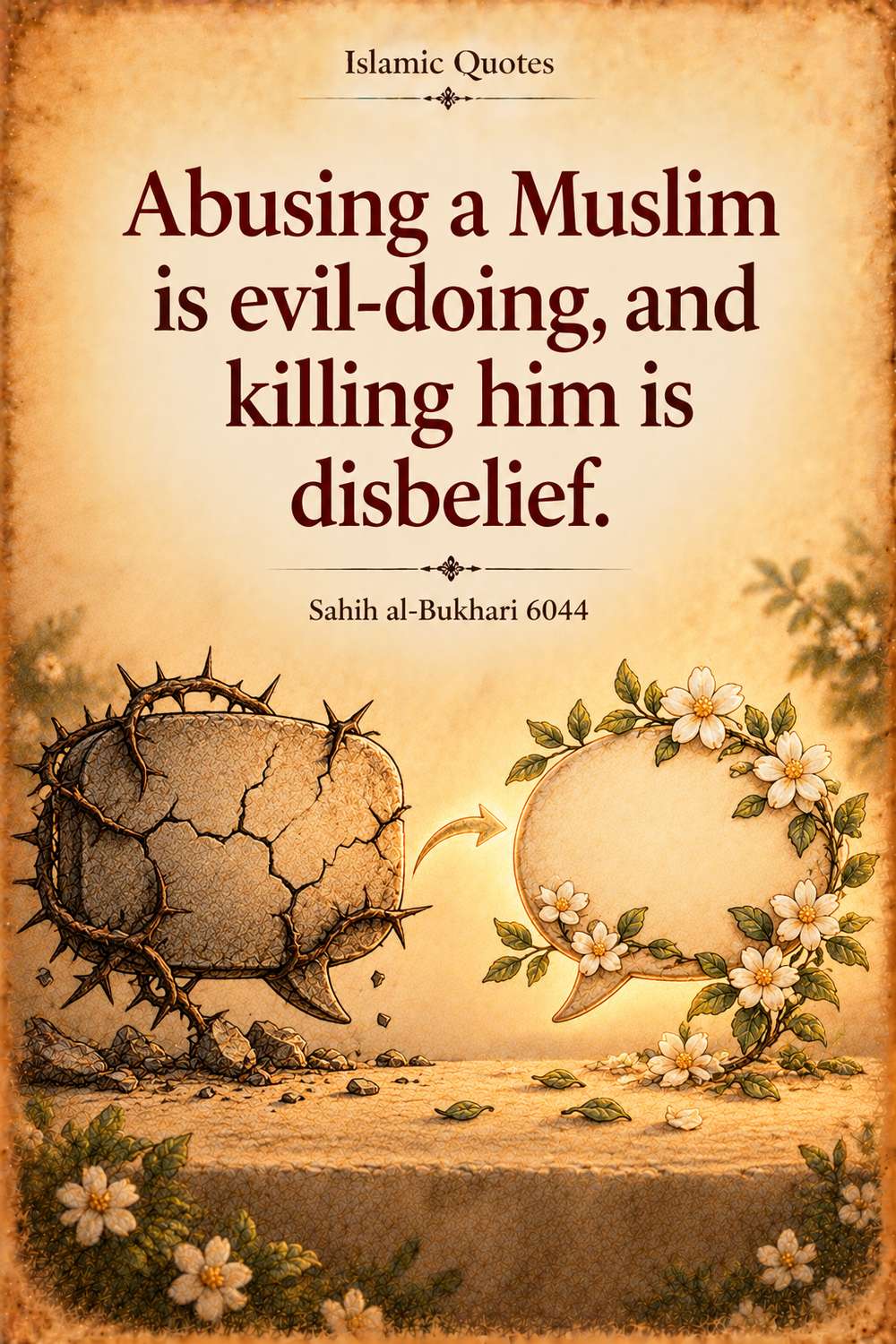
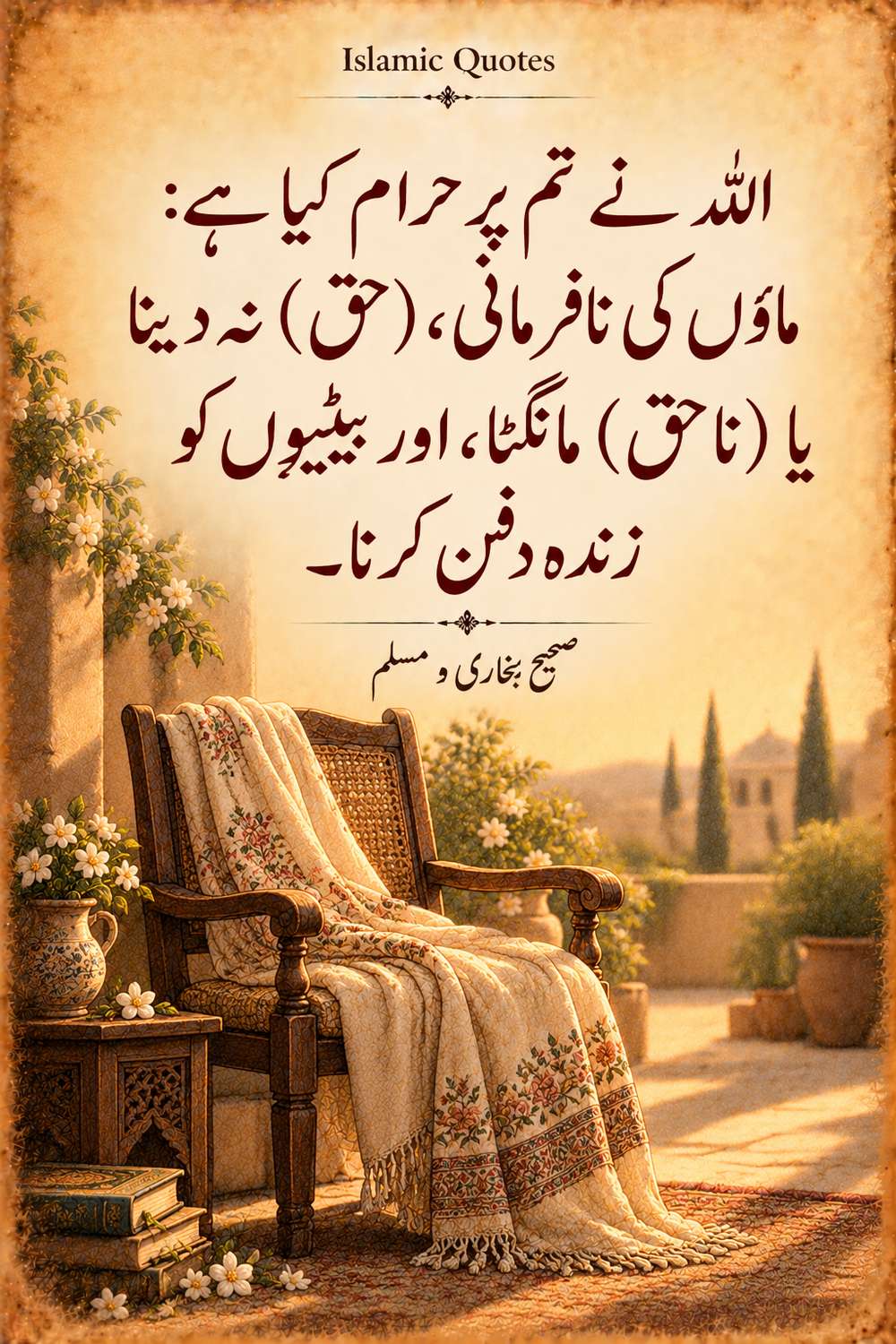
22- Be Obedient To Your Mothers
Al-Mughirah ibn Sha’bah R.A reported the Prophet ﷺ said,
23- Do Not Associate Anyone With Allah SWT
It is narrated on the authority of Jabir R.A the Messenger of Allah ﷺ and said:

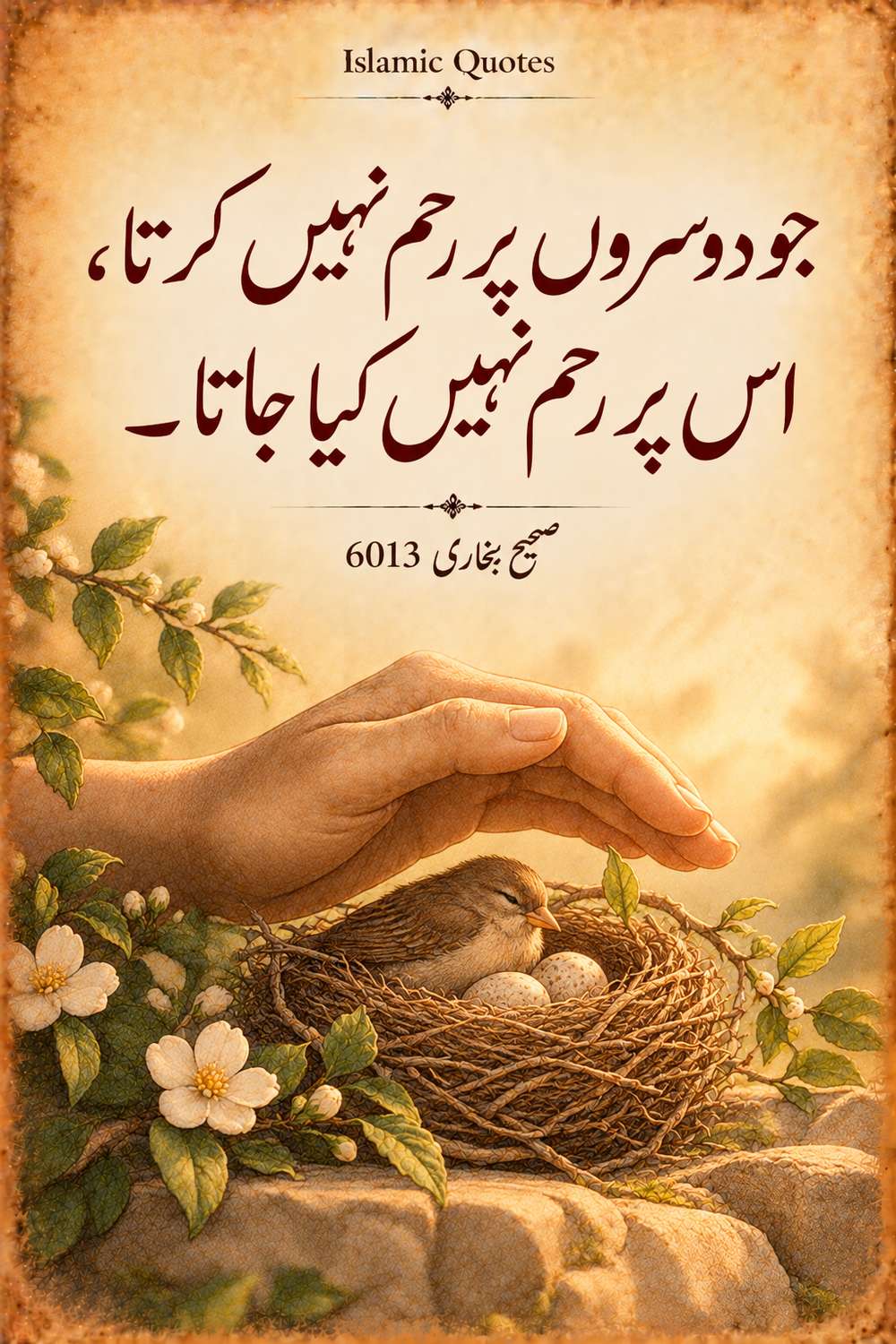
24- Show Mercy To Others
Narrated Jarir bin `Abdullah, Allah’s Messenger ﷺ said
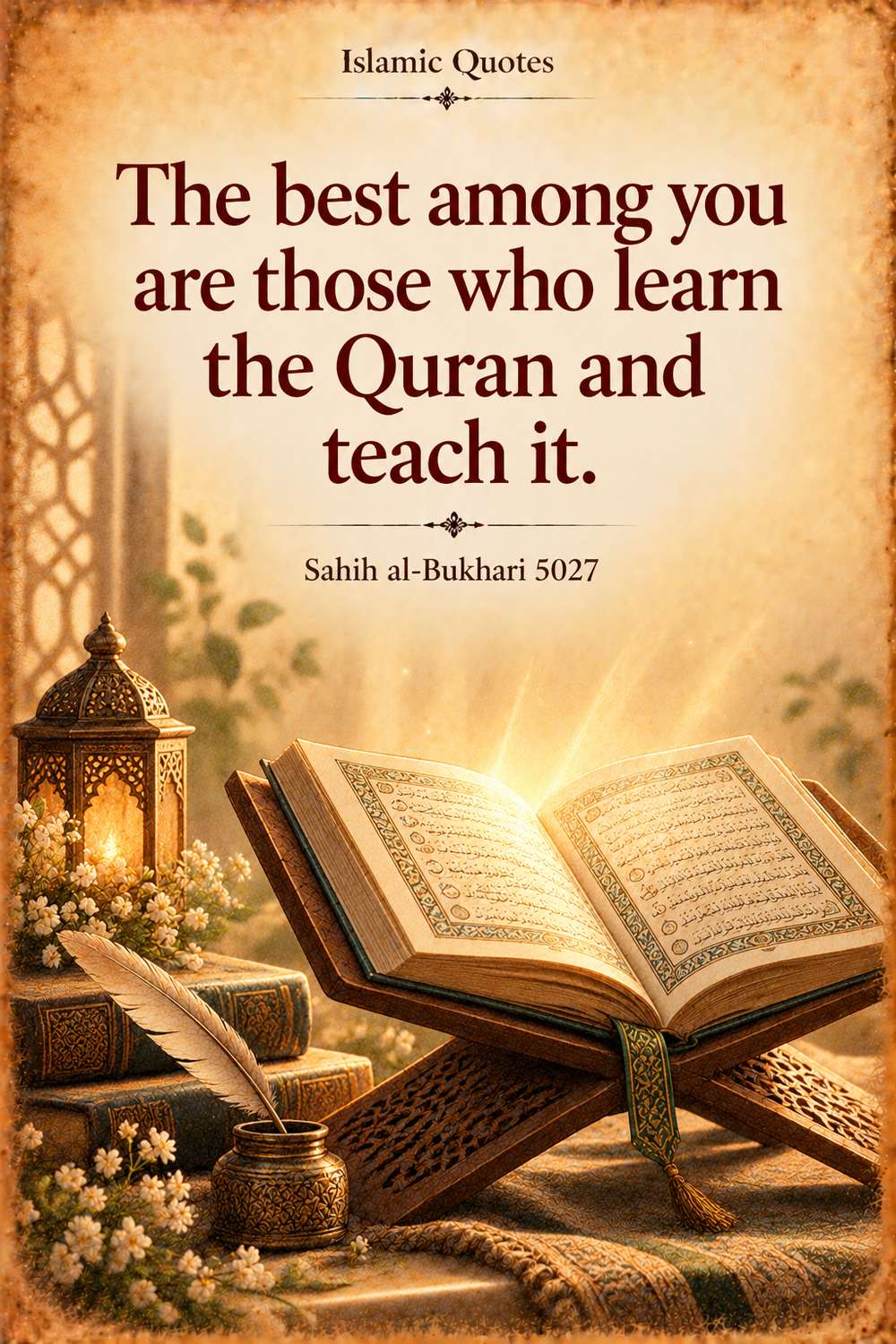
25- Best Kind Of People
Narrated Usman R.A, the Prophet ﷺ said:
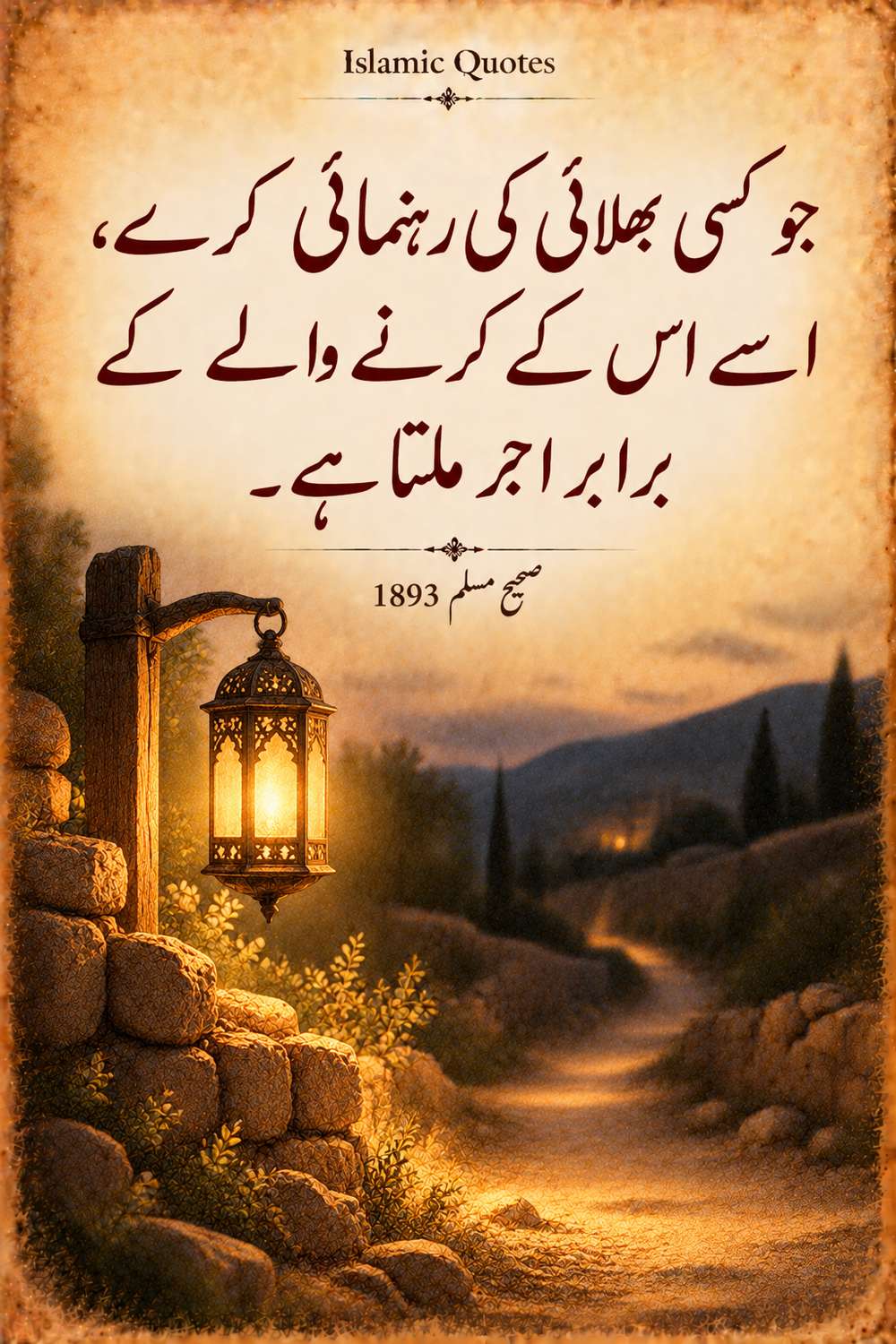
26- Guide Everyone To Do Good
Abu Mas’ud reported the Prophet of Allah ﷺ said:
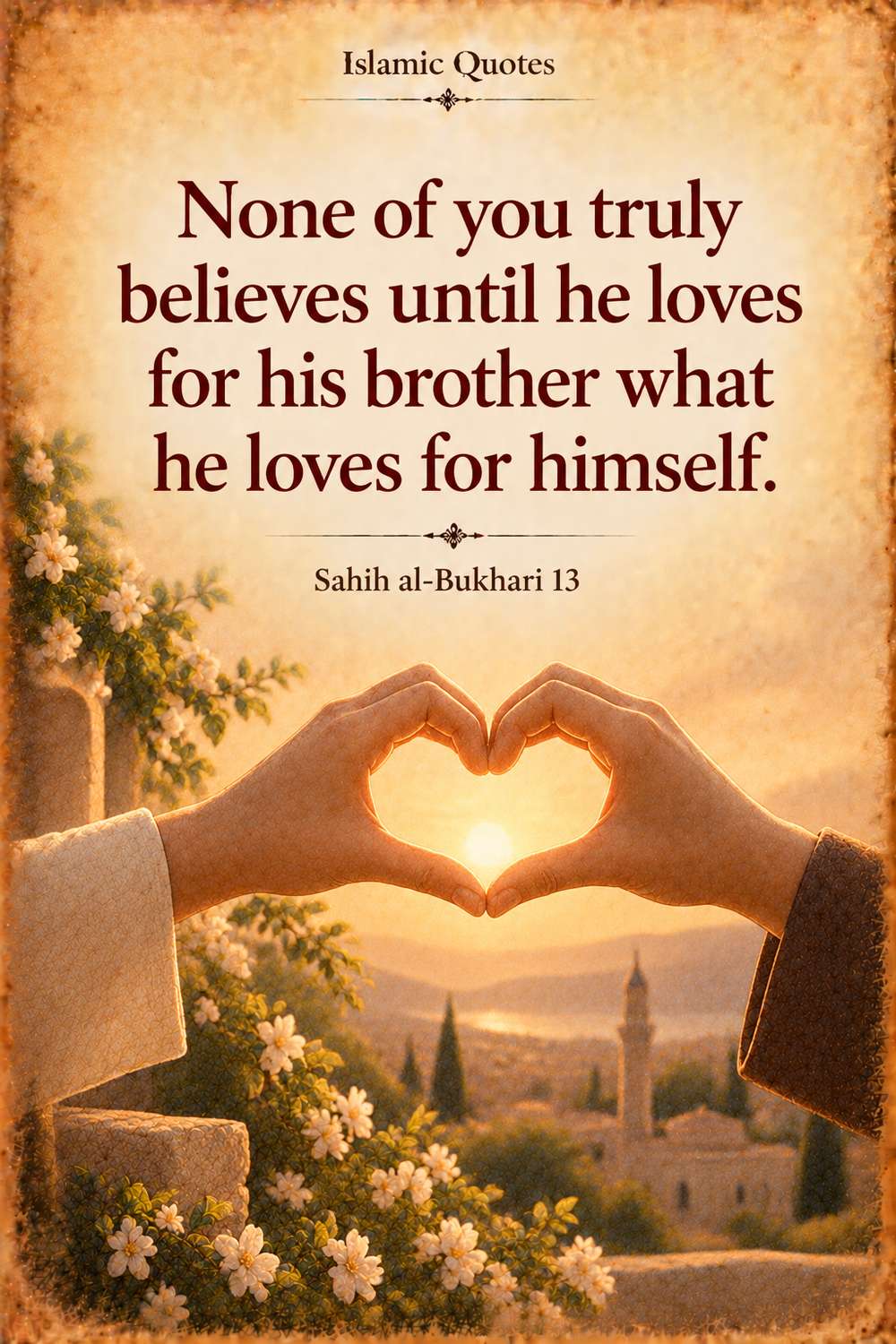
27- Love That For Your Brother What You Love For Yourself
It was narrated from Anas bin Malik that the Messenger of Allah ﷺ said:
28- Avoid Interfering In Other Peoples Matters
On the authority of Abu Hurayrah R.A who said that the Messenger of Allah ﷺ said:

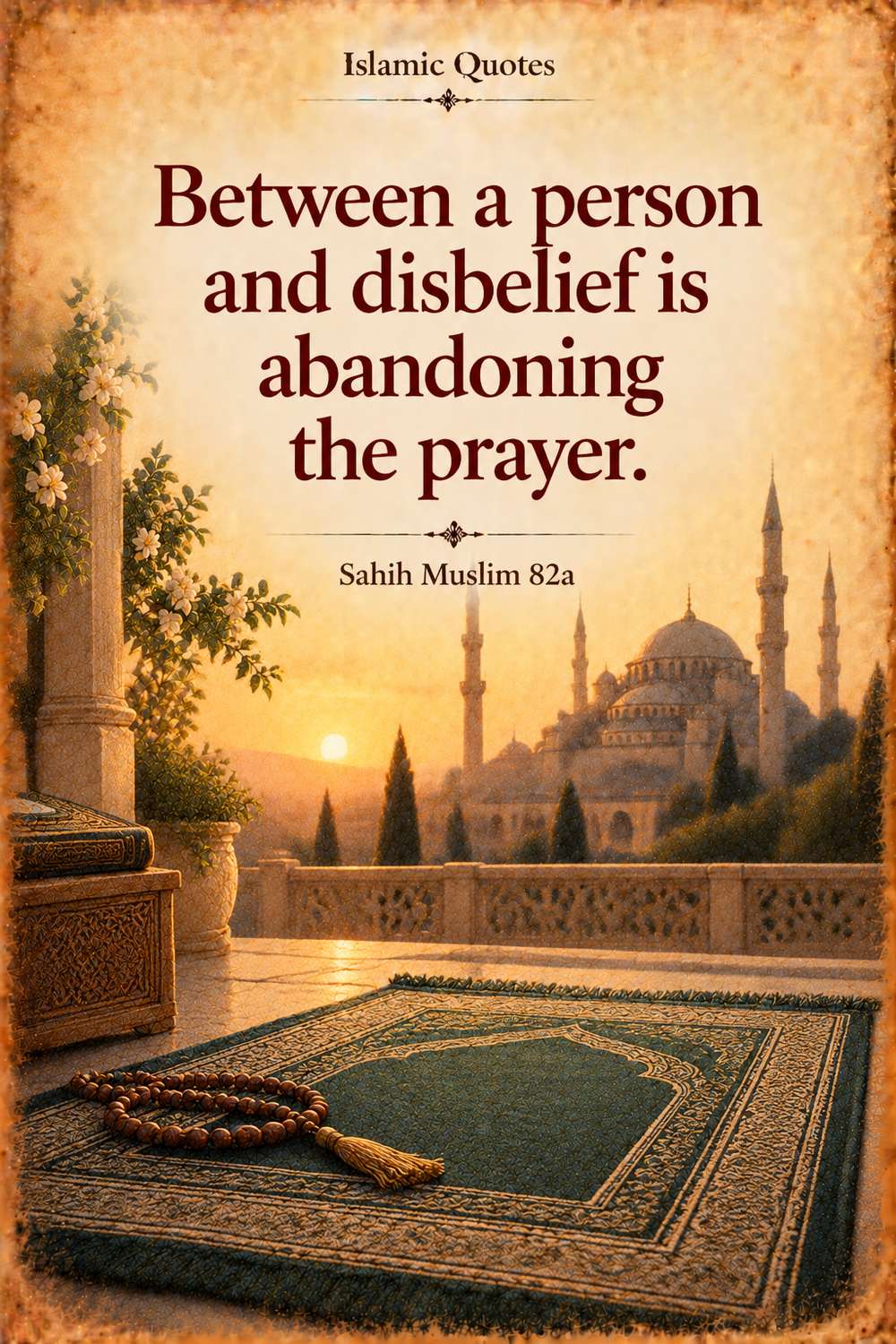
29- Avoid Abandoning Salah
Narrated Jabir, that the Prophet (ﷺ) said
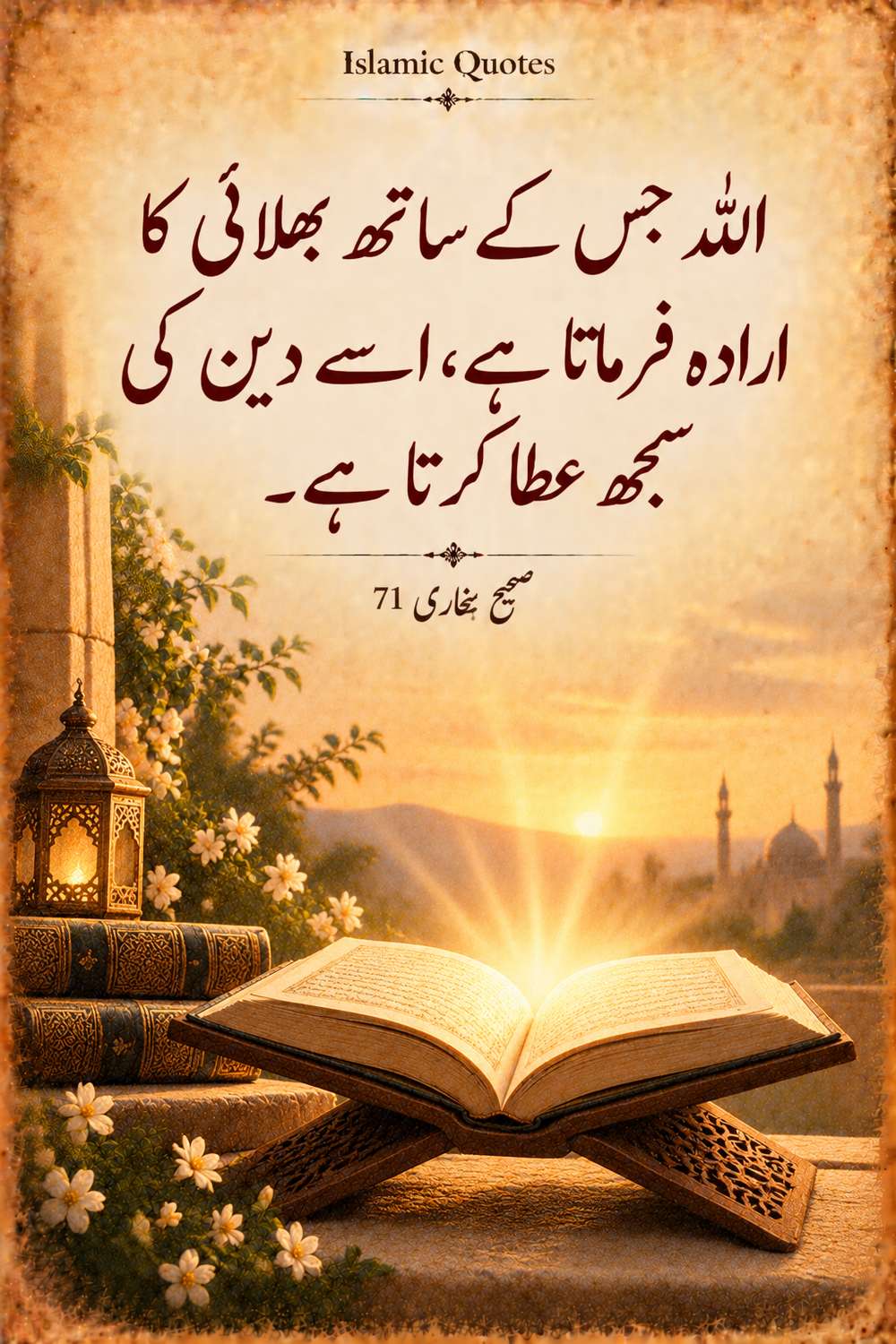
30- Allah SWT Gives Religious Understanding To The Blessed
Mu’awiyah R.A reported, the Messenger of Allah ﷺ said:
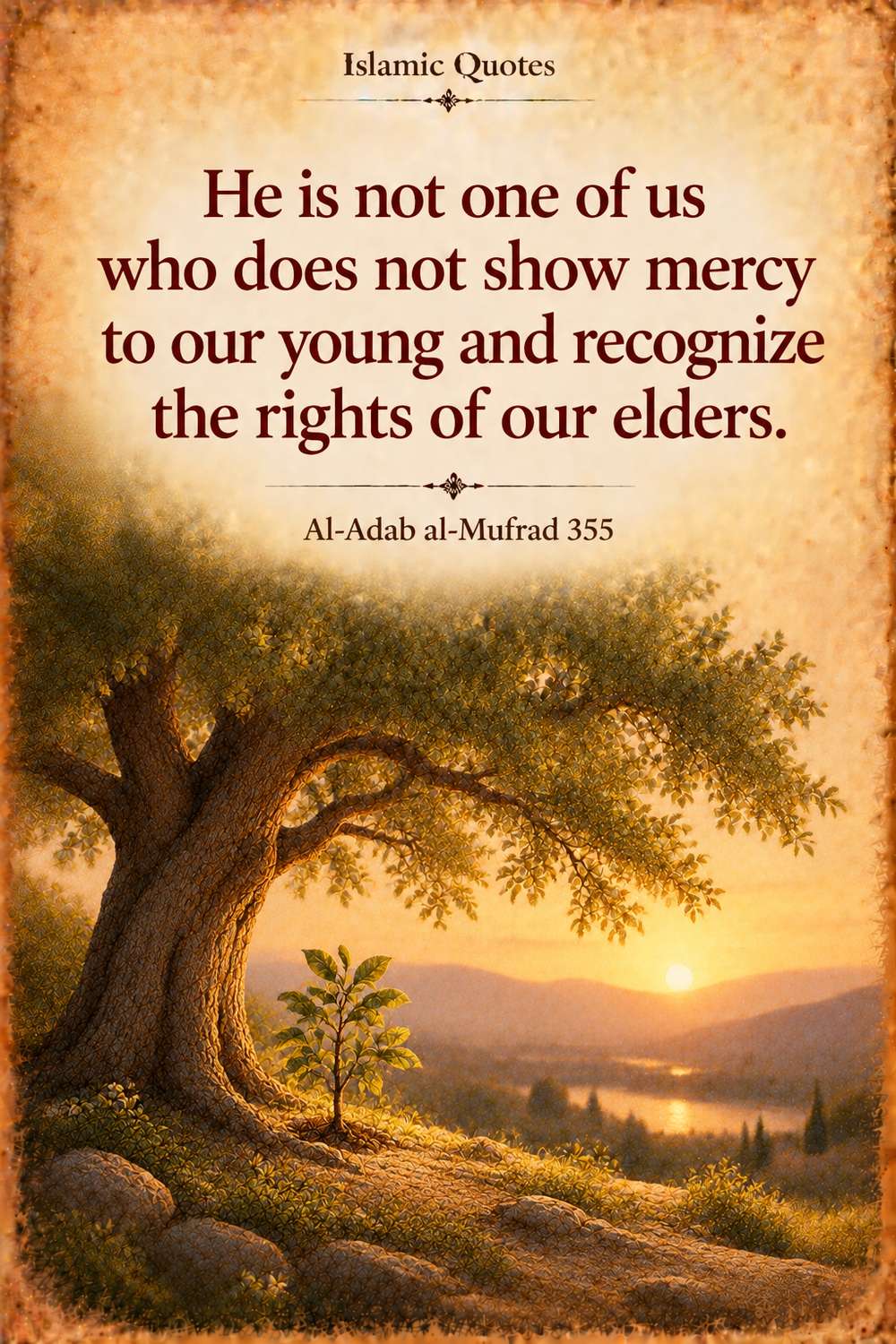
31- Respect Elders And Be Merciful To Children
Narrated by Abdullah ibn Amr ibn al-‘As R.A, the Prophet ﷺ said:
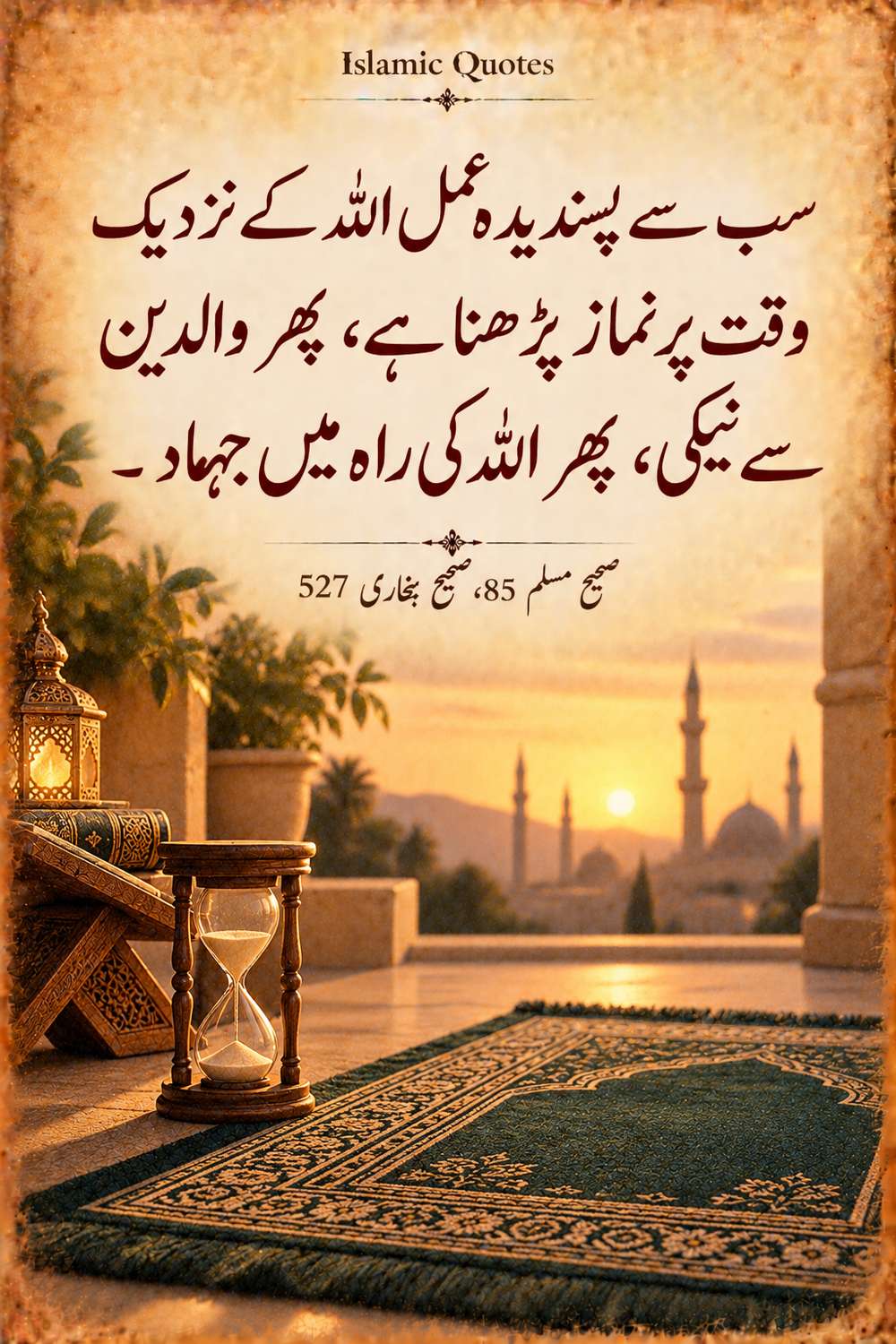
33- The Best Of Deeds
It is reported on the authority of ‘Abdullah R.A that the Messenger of Allah ﷺ observed:
34- Best Among The People
Aisha R.A reported, the Messenger of Allah ﷺ said,

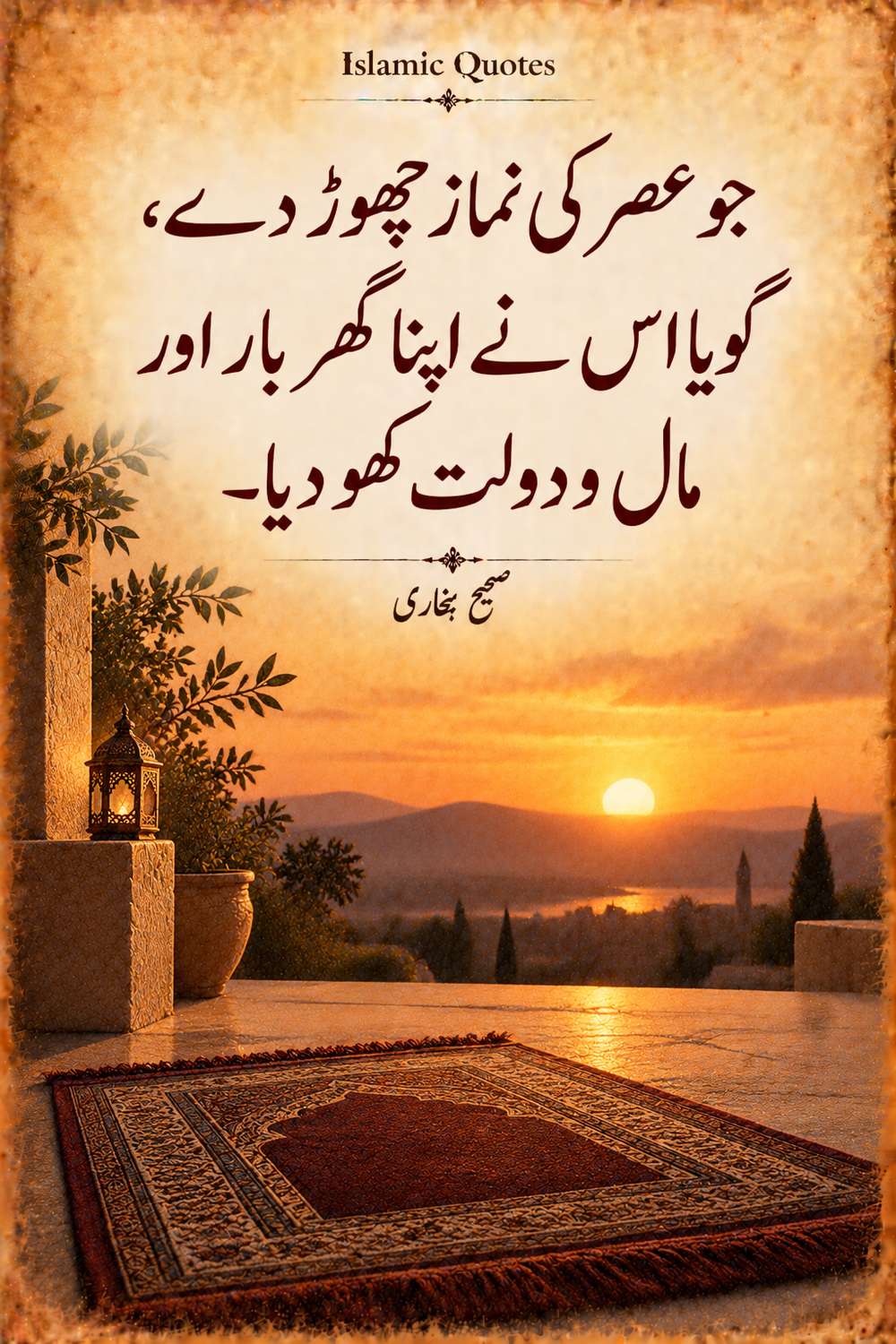
35- Missing Asr Prayer Intentionally
Narrated Ibn `Umar R.A, Allah’s Messenger ﷺ said:
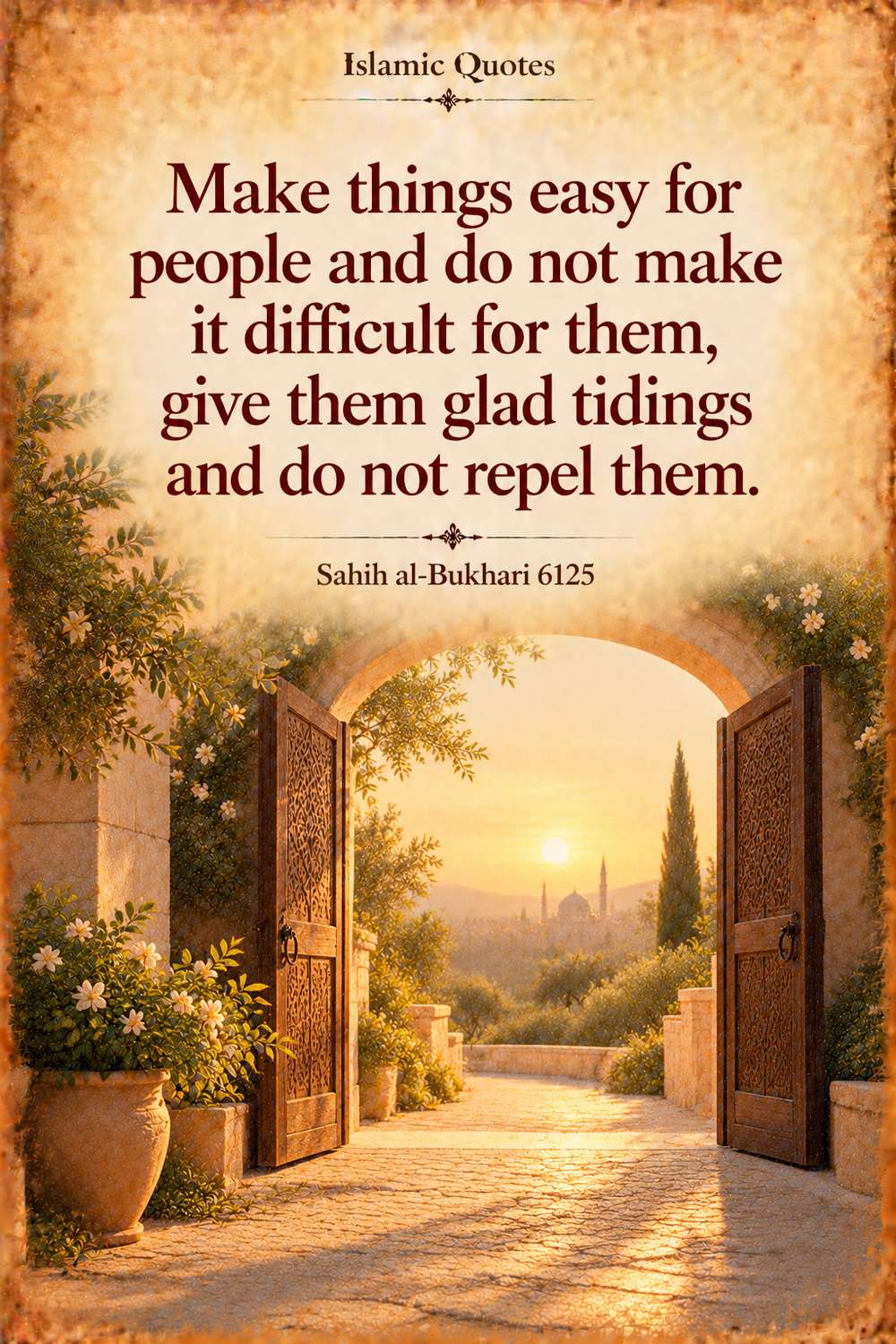
36- Make Things Easy For People
Narrated Anas bin Malik, the Prophet ﷺ said:
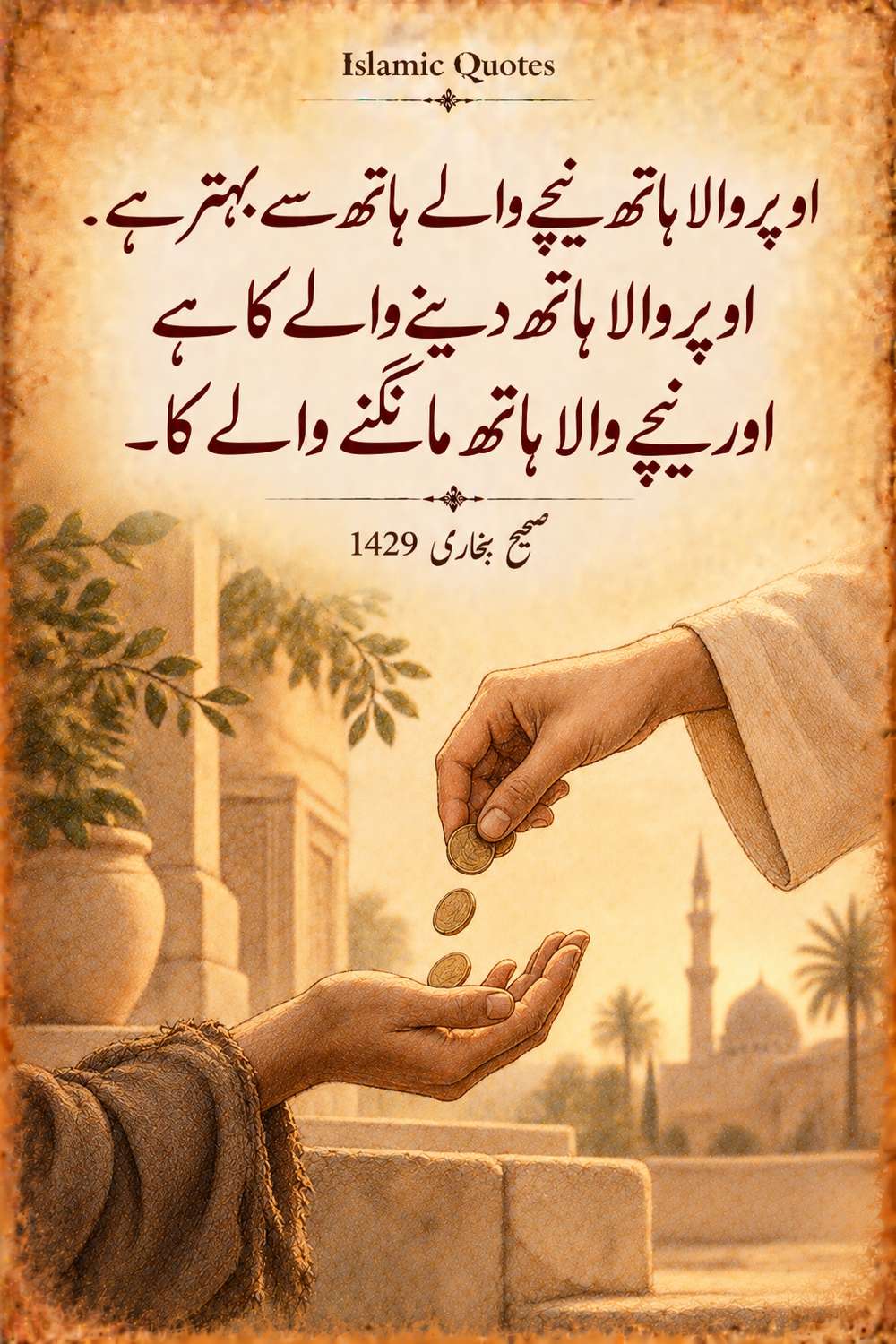
37- Be The One From The Giving And Not Receiving
Abdullah ibn Umar reported: The Messenger of Allah, peace and blessings be upon him, said
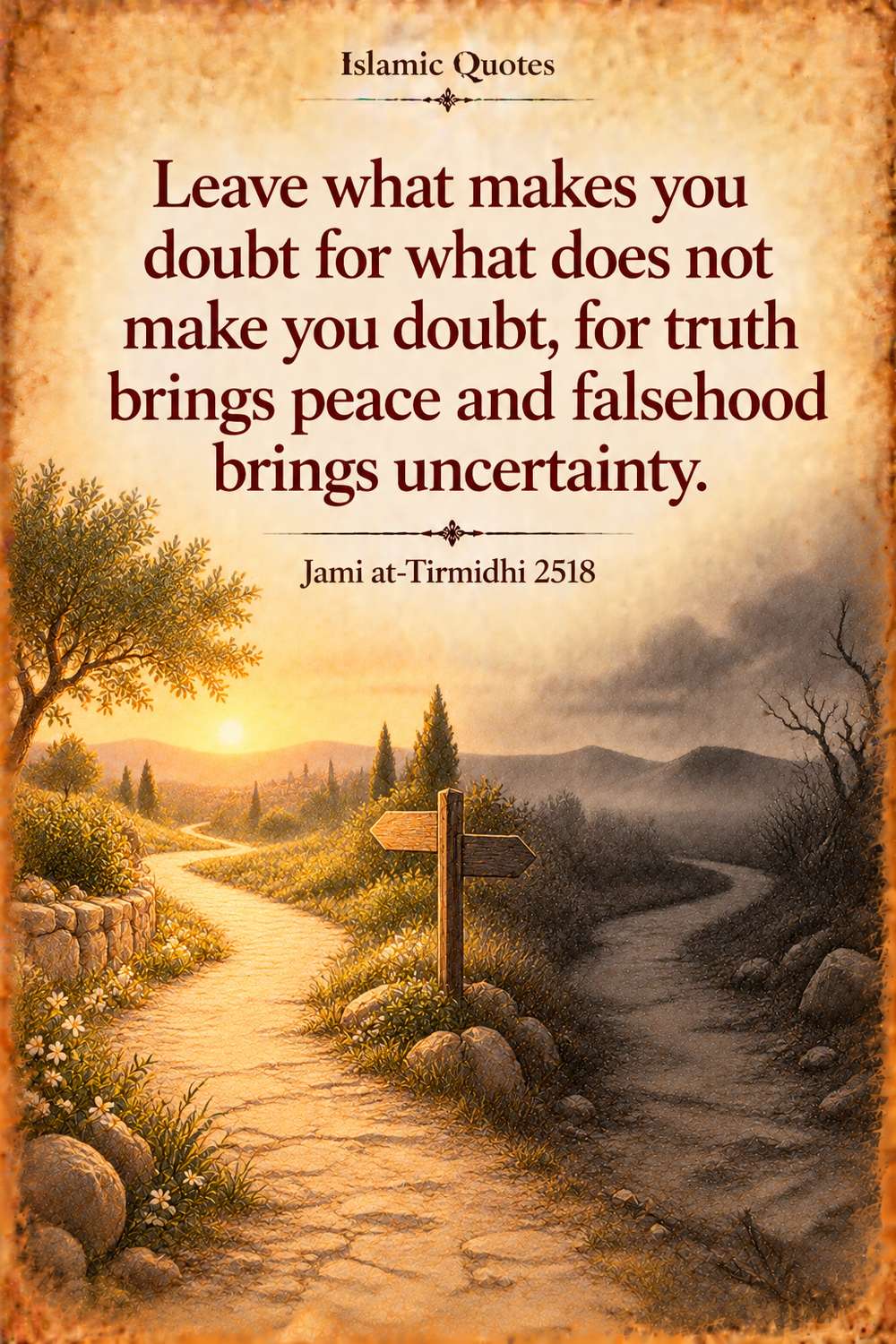
38- Avoid Things You Aren’t Certain About
Hasan ibn Ali R.A reported, the Messenger of Allah said:
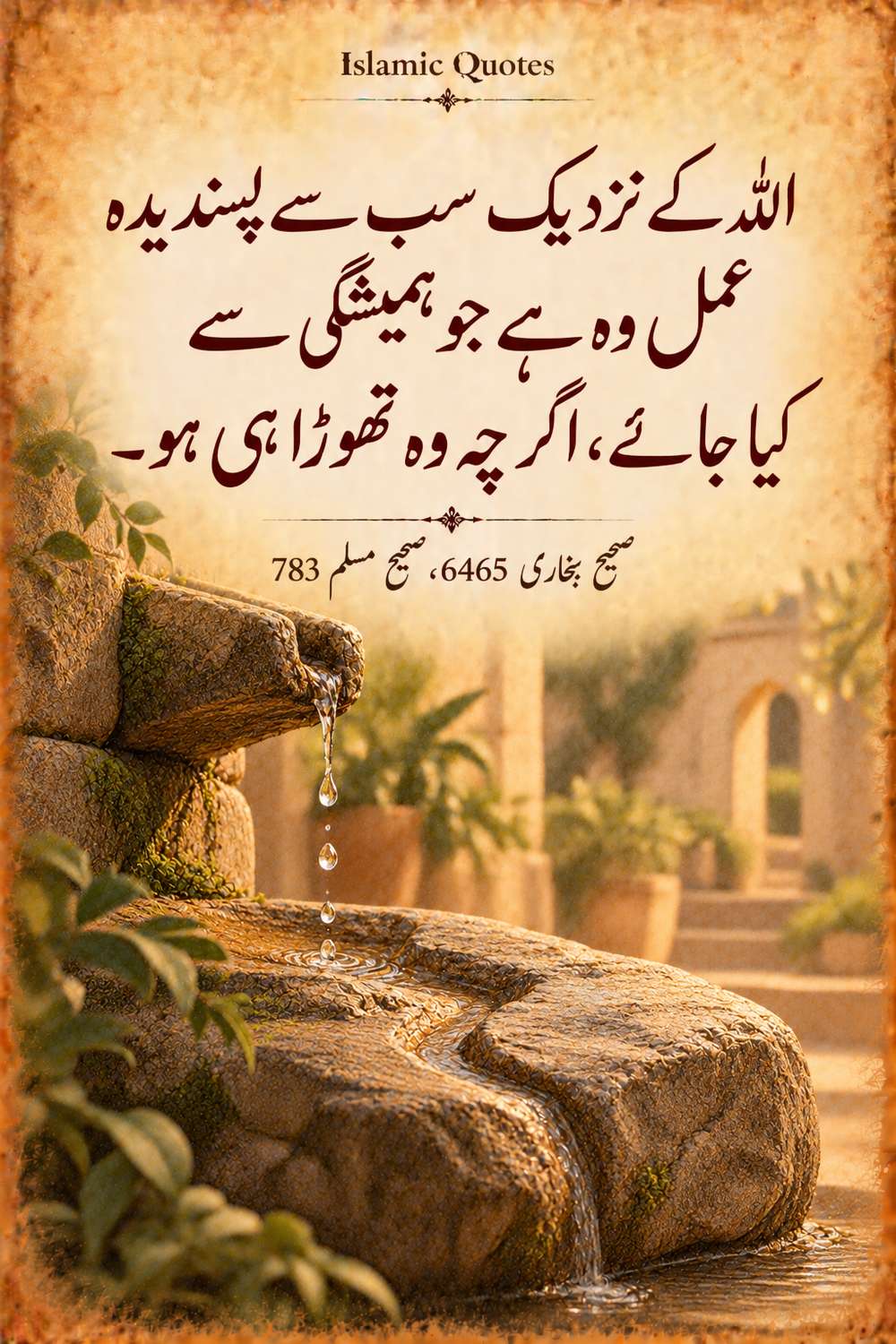
39- What Allah SWT Prefers
Abu Huraira reported Allah’s Messenger ﷺ as saying:
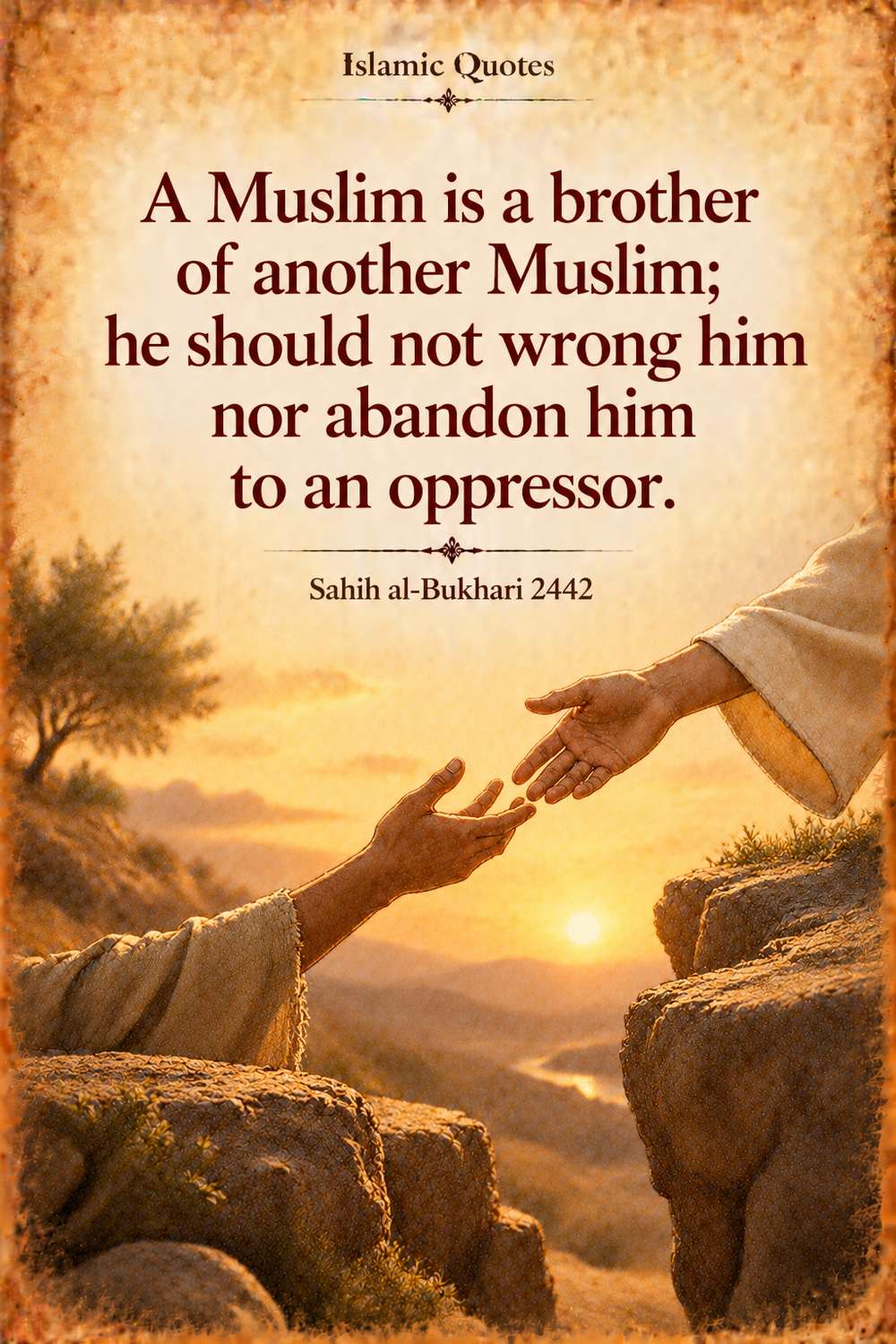
40- Do Not Wrong Your Muslim Brother
Narrated `Abdullah bin `Umar, Allah’s Messenger ﷺ said:
Many of these hadith are about character and kindness; you can explore related themes in our posts on the manners of Prophet Muhammad, Islamic quotes on parents and Islamic quotes on charity. May Allah protect and guide us, May He forgive us for what we do and don’t do and may He open our eyes and grant us hidayah.
Frequently Asked Questions
Is it obligatory to memorize forty hadith?
No. Memorizing forty hadith is a recommended, voluntary act at most. The narrations about its reward are considered weak by hadith scholars, and some accept them only for encouraging good deeds, so the reward should not be stated as certain. What is required for every Muslim is to learn the basics of their religion.
Which forty hadith should I start with?
Many students begin with the collection of Imam al-Nawawi (the Forty Hadith), which covers intention, the pillars of faith, good character and sincerity. The hadith in this post are a more general selection on character and worship.
How do I know if a hadith is authentic?
Check that it is cited from a reliable collection such as Sahih al-Bukhari, Sahih Muslim, or the Sunan, and see the grading by recognized hadith scholars. Be careful with quotes shared on social media without a source.
Should I memorize the Arabic or is understanding the meaning enough?
Both are valuable. Understanding and acting on the meaning is the main goal, while memorizing the Arabic text helps preserve the wording. Scholars encourage starting with what you can manage consistently.
Where can I read more about the Prophet’s character?
See our post on the manners of Prophet Muhammad. For personal religious questions, please ask a qualified scholar.