
Treatment of Servants in Islam. Allah has given the beautiful religion of peace and love, Islam, to Muslims. Being a complete code of life, this religion has discussed each and every relation and a way to treat other people in a kind manner.
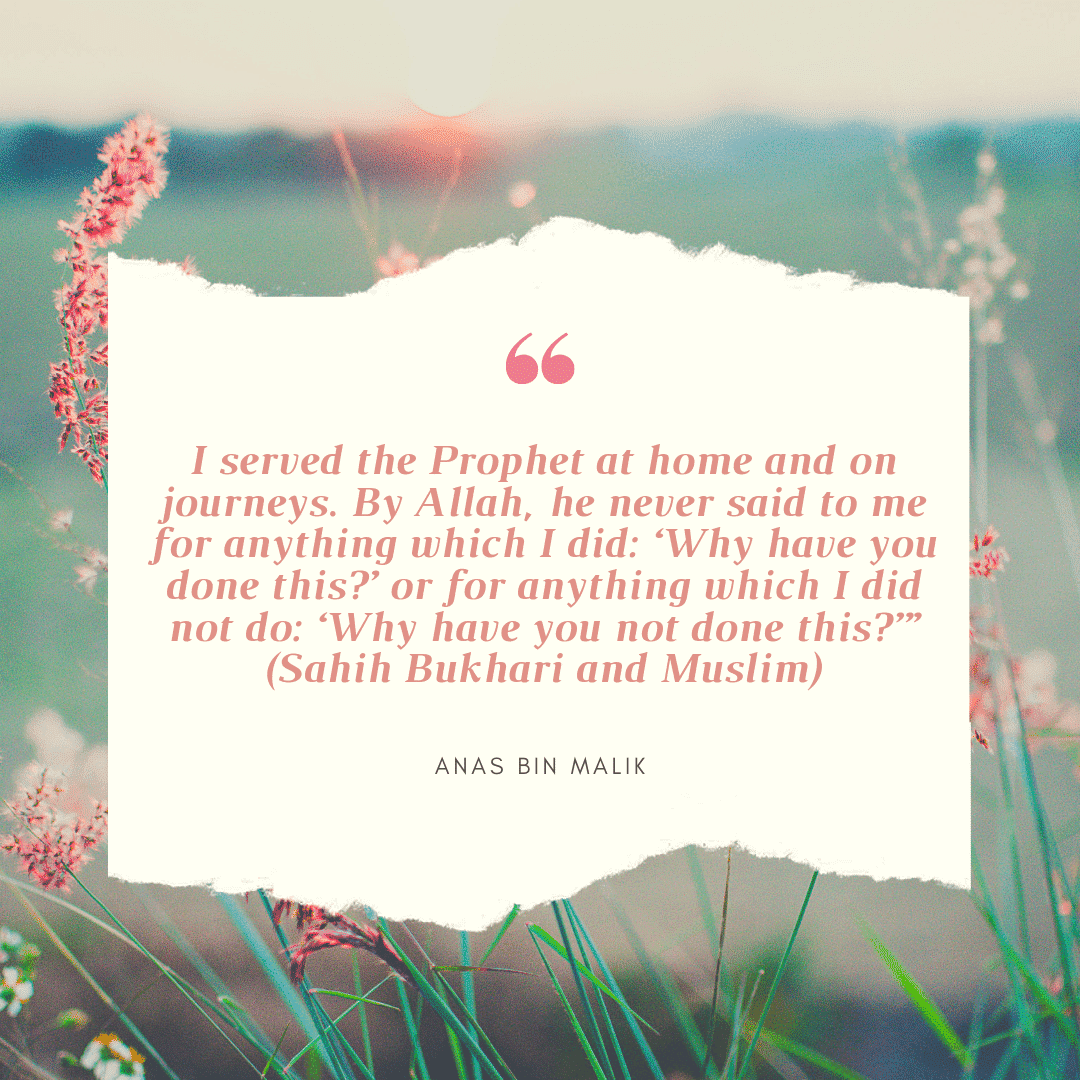
Similarly, the relationship between employer and domestic workers has been given a lot of importance in Islam. Domestic workers help us and it’s our responsibility to take care of them. The relation between Prophet Muhammad PBUH and Anas RA is the perfect example. Prophet Muhammad would never talk to Anas in a harsh tone and would never lay a hand on him.
What Are The Rights Of Servants In Islam?
We should always treat our domestic help kindly and compassionately because every human being is equal in the eyes of Allah SWT and we’re all His creation. Moreover, the Prophet (peace be upon him) said, “Whoever does not show mercy to others will not be shown mercy” (Sahih al-Bukhari and Sahih Muslim).

So today, we’ll be discussing everything that Islam has taught us about treating out servants kindly.
↓ How The Prophet Treated His Household Help?
As we discussed above, the relationship between Anas Bin Malik and Prophet Mohammad is the perfect example of how slaves should be treated as he was employed at the Prophet’s place since his childhood. The Prophet was extremely affectionate towards him and he would even visit his family to share meals with them. Once, Anas’s mother asked the Prophet to pray for his son and the Prophet’s prayer was answered and Anas got everything he desired including wealth, children and grandchildren. If you want to follow more of the Prophet’s sunnah to be a better Muslim, do go through these simple but beautiful Personality Traits Of Prophet Muhammad (SAW) Every Muslim Must Know.
↓ What does Quran Say About Servants?
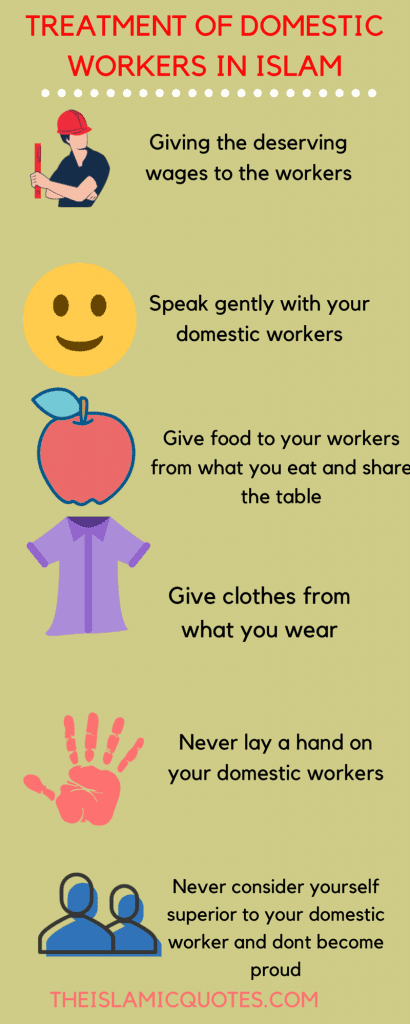
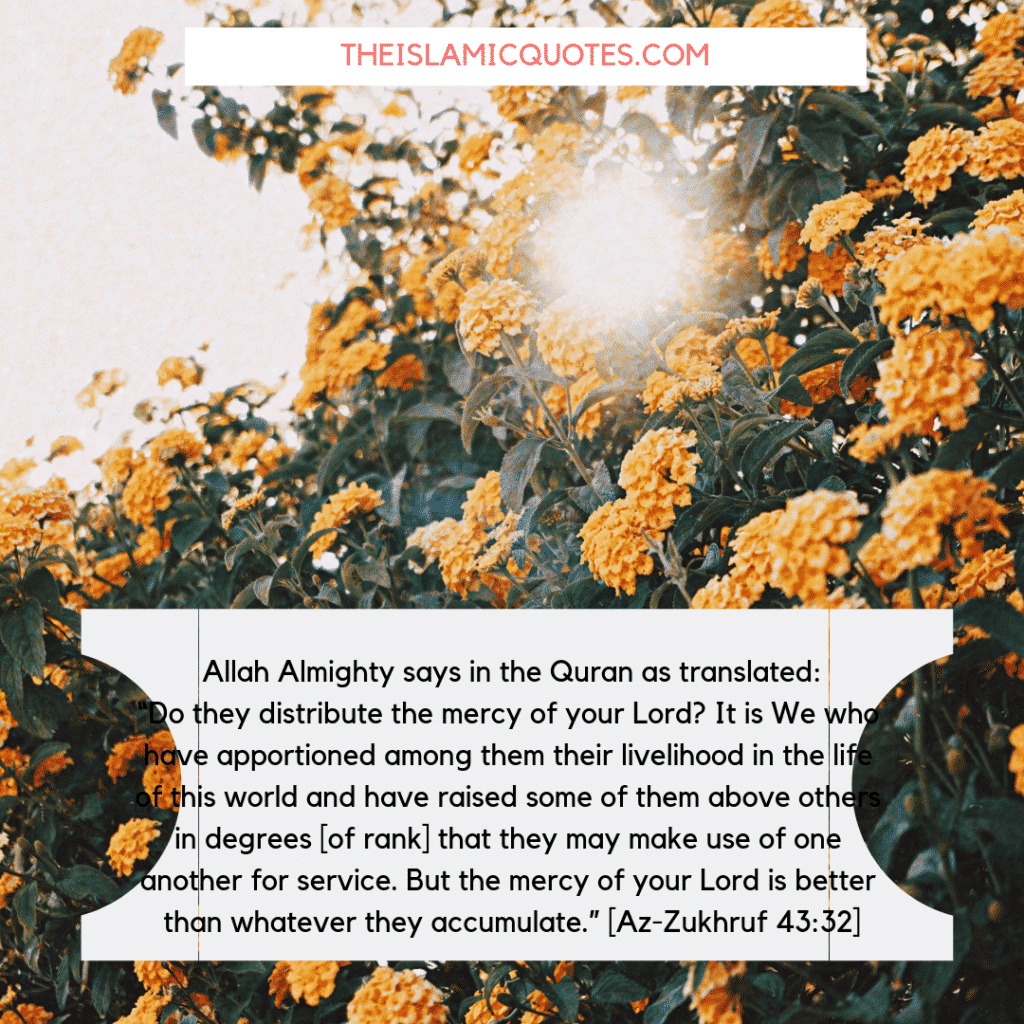
Islam is the religion of peace and love. Everyone is equal in the eyes of Allah SWT. The domestic help and workers that work for their employers deserve respect and kindness. The Quran says that Allah has raised some of us above others in provision and rank as a test (Quran 6:165, 43:32), yet the most honoured in His sight is the most God-conscious (Quran 49:13). The Prophet (peace be upon him) told us that our servants are our brothers whom Allah has placed under our care, and that we should feed them from what we eat and clothe them from what we wear (Sahih al-Bukhari and Sahih Muslim). In worth before Allah, we are all equal.
↓ Hadith On Treatment Of Servants

↓ 14 – Don’t Overburden Them With Chores
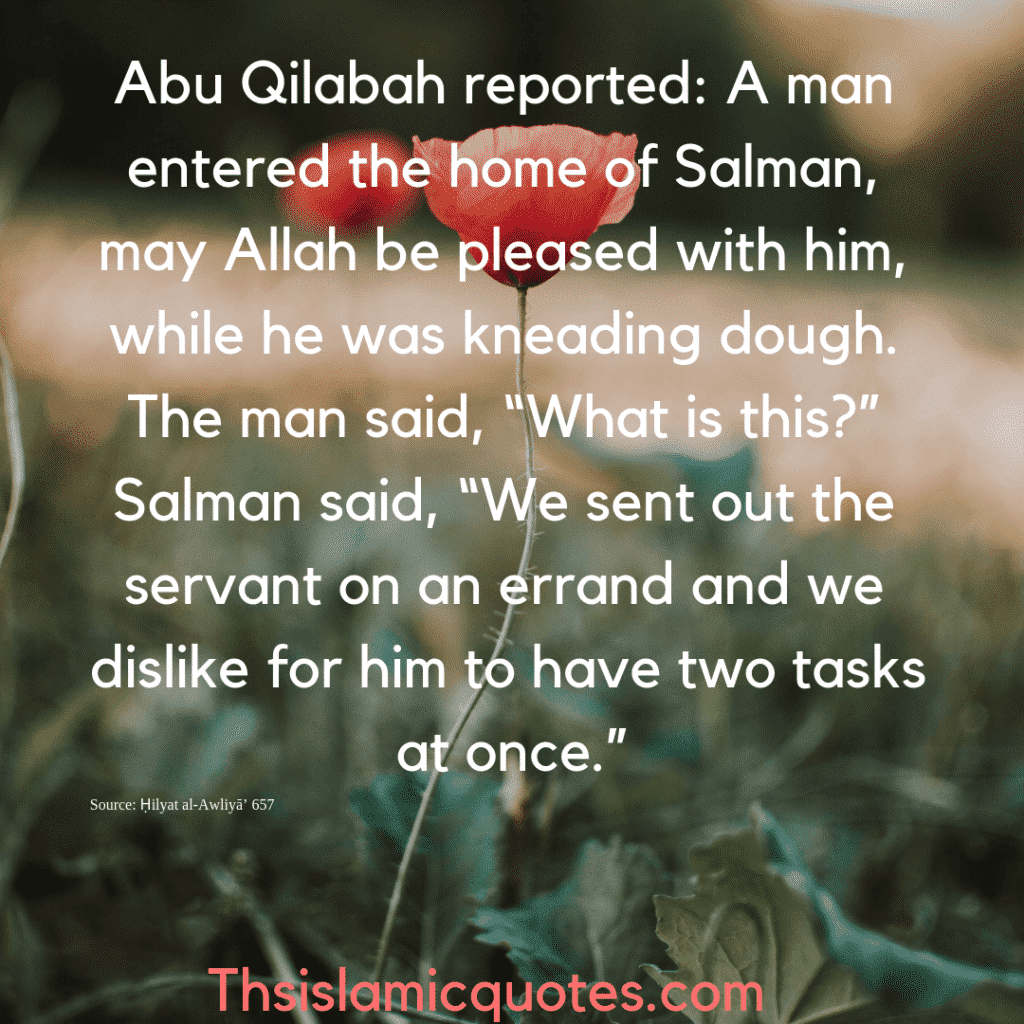
Every human being has a certain level of energy and capacity. Overburdening makes them sick and unhappy. The Quran says that Allah does not burden a soul beyond its capacity (Quran 2:286), and the Prophet (peace be upon him) instructed that if we assign hard work, we must help with it (Sahih al-Bukhari). One who has authority over his servant or house help, shouldn’t take advantage of his power. He shouldn’t overburden him with different chores. The burden should be shared with other helpers or the one who employs help.
↓ 13 – Take Care Of Your Belongings
When you have servants at your home, it’s your responsibility to look after your own possessions and wealth. If your valuable items are lying around unsupervised, the servants might be tempted to steal them and this is more of your fault than theirs. This is because coming from a poor background, they will obviously be tempted when they see something precious left unchecked. And since Islam has always taught us to take precautions, it is indeed our responsibility to look after our things. Learning about Islam and the ways of the prophets always helps us improve ourselves as not just Muslims but also as humans. This is why we have compiled a list of the Top 15 Islamic Books Every Muslim Should Read.
↓ 12 – Speak Gently With Them
Akhlaq in Islam has great value. It sums up the good conduct and manners of a person. In Allah’s eyes, riches and wealth have no place but the person with good character or Akhlaq is loved by Him. Islam stresses upon having good conduct and character as it can win over hearts. Speaking gently and compassionately is part of a good character. Our domestic staff and labor need compassion too. Having them as our helpers doesn’t mean we have power over them. We should speak gently to them and not in a harsh manner. Talking in an unpleasant tone can be hurtful for them, and harming others goes against the character Islam teaches.

↓ 11 – Provide Them Food
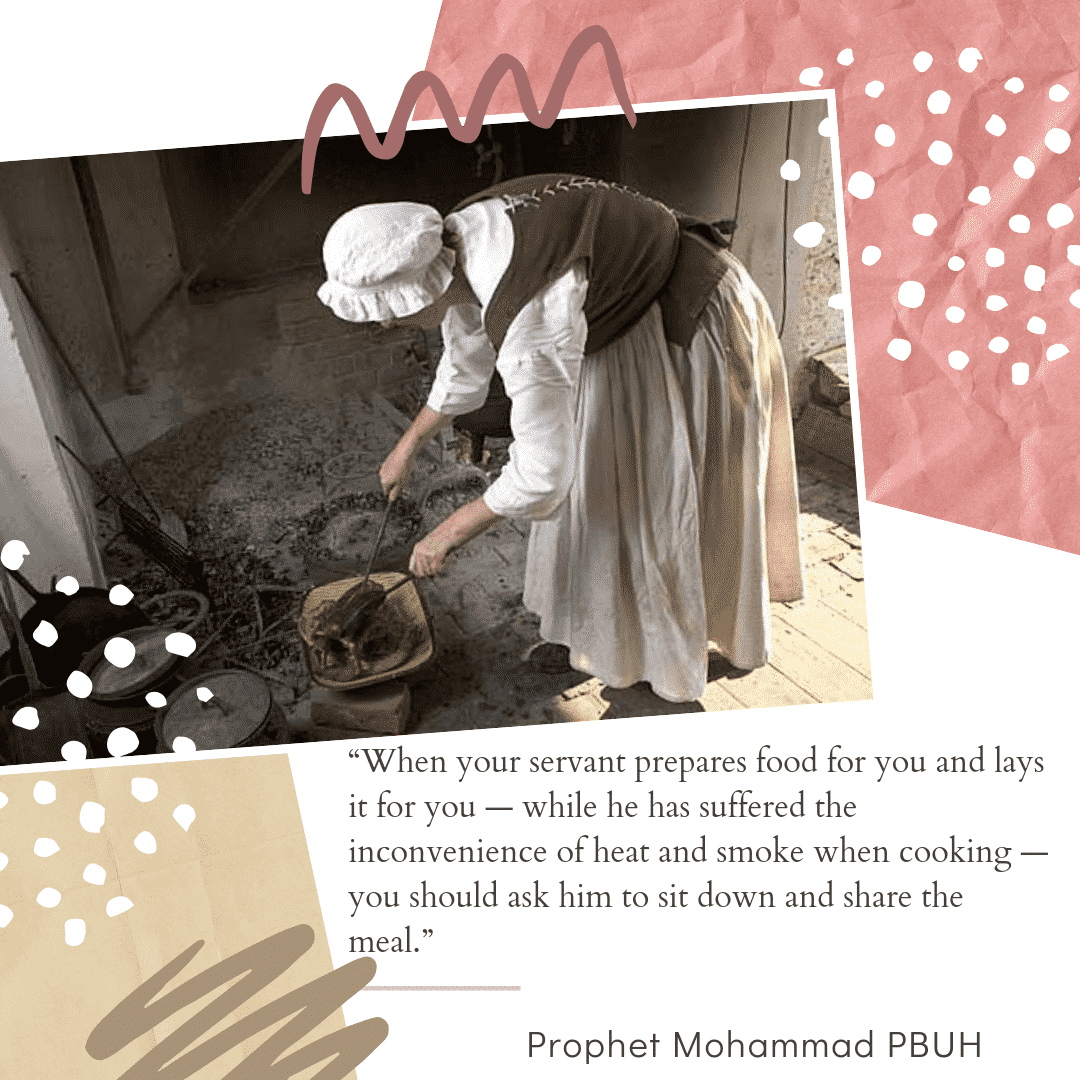
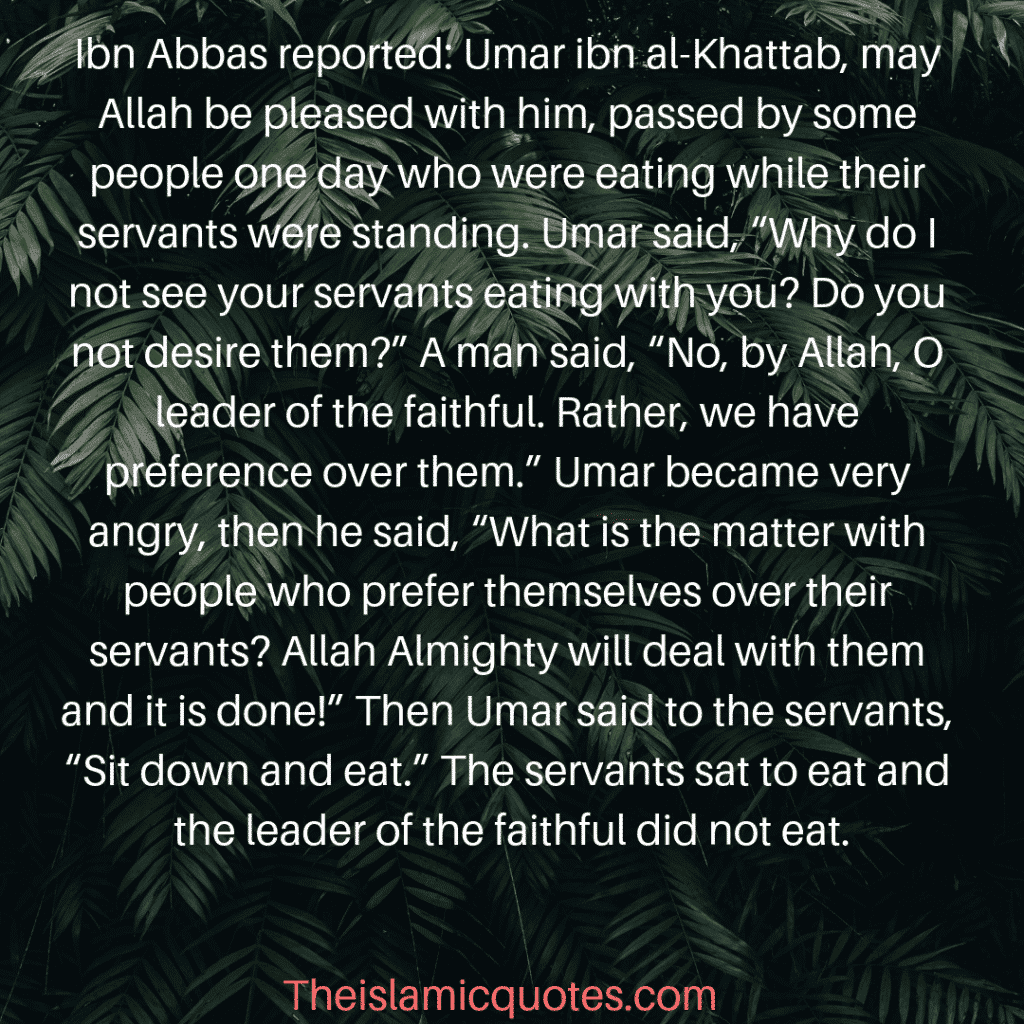
The only provider and giver are Allah SWT and He provides us with every blessing. Food is one of His blessings and those who have been provided by Allah SWT should share their food with his servants, domestic staff and labor. We should always give what we eat and what we drink. When one of them cooks for us, we should ask them to sit with us and eat at the same table. These days we see a lot of people go to the restaurants with their servants, and then make them sit on a separate table while they enjoy the food themselves. This is an incredibly selfish and unethical act and it does not reflect a true Muslim.
↓ 10 – Provide Them With Good Clothing
Clothing is one of the most important and basic needs of a human. It is our duty to provide appropriate clothing for domestic staff and house help, whether through the terms of employment or by helping them if they do not have enough. The Prophet (peace be upon him) said that we should clothe them with what we wear (Sahih al-Bukhari and Sahih Muslim). Taking care of their needs is necessary for us and we should never neglect their needs and problems.
↓ 9 – Help Them Financially
Domestic staff and house help are the most deserving of our financial help. One could help them with voluntary Sadaqah, and if a worker genuinely qualifies as a zakat recipient (poor or in need), zakat may be given to them. Scholars note that zakat must not be used in place of the wages owed, and that rulings on giving zakat to those one supports differ among the schools, so ask a qualified scholar. See our guide on zakat in Islam. When they work for us, their problems become ours so we should never hesitate or step back in helping them.
↓ 8 – Treat Them With Kindness
Kindness and compassion in Islam have been given great value. Being kind with creatures of Allah SWT is encouraged in Islam and is loved by Allah SWT. The life of our Prophet Muhammad PBUH is a beautiful example of kindness and compassion. He would never utter words that could harm a human being. Similarly, our helpers and workers are our brothers and we should treat with kindness and compassion. We should be an empath and understand their problems and never treat them in a cruel manner. Our prophet never said anything rude or harsh do Anas(RA).
↓ 7 – Give Their Wages On Time
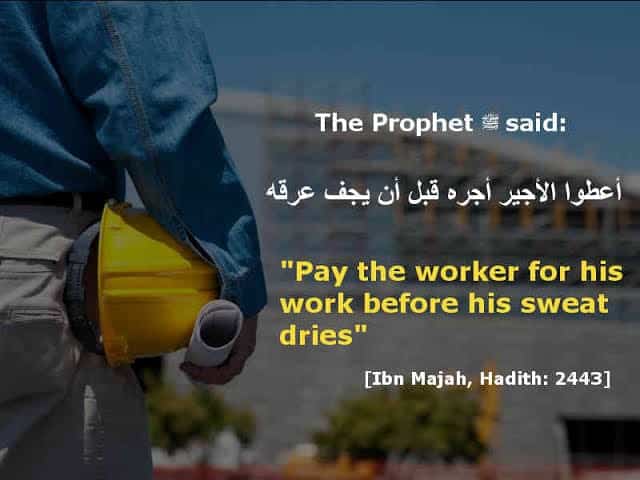
The domestic staff works hard and with great effort and for this they deserve a good amount of money. They earn for their family and they should be given the right and deserved amount for their efforts and work. Withholding or delaying wages unjustly is a serious sin in Islam. In a hadith qudsi in Sahih al-Bukhari, Allah says that He will be the opponent on the Day of Judgment of one who hires a worker, takes full work from him, and does not pay his wage. The Prophet (peace be upon him) also said, “Give the worker his wage before his sweat dries” (Ibn Majah; scholars have graded the chain differently, but the meaning is well supported).
↓ 6 – Share The Same Utensils
Sharing the same utensils with servants is not a common practice that we see in most of our households. The Prophet (peace be upon him) taught that when a servant prepares our food, we should seat him to eat with us, or at least give him a portion of it (Sahih al-Bukhari and Sahih Muslim). The spirit is that we treat them as equals and brothers.
↓ 5 – Remember That They’re Your Equal In Allah’s Eyes
Equality in Islam is also one of the main qualities. Equality means to consider everyone equal. Allah SWT has never discriminated amongst His creatures as everyone is equal in His eyes. No status of servant, worker, rich man or labor means yo Him and we have no authority over each other. Our domestic servants are not our slaves, they’re our brothers and we should treat them equally just as we treat any other man of high status. This was something that the Prophet Mohammad stressed on throughout his life and even in his last sermon so you can realize how important it must be, you should also give a read to some more amazing Quotes From The Last Sermon Of Prophet Muhammad (SAW).
↓ 4 – Forgive Their Faults
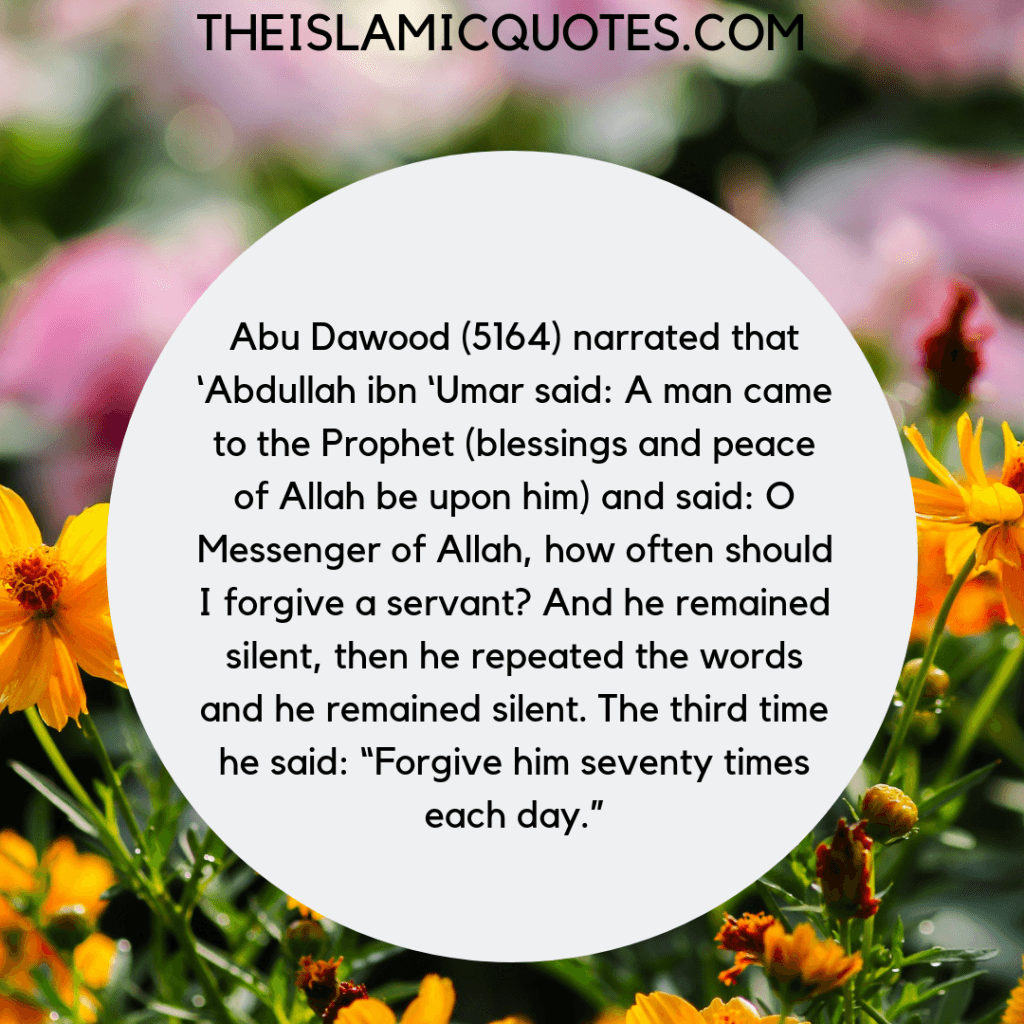
Forgiveness is loved by Allah SWT. He forgives us when we make Tauba and blesses us in many ways. We human beings should forgive each other for the sake of Allah SWT, no matter how much hurt they’ve caused us. Similarly, our brother helpers and workers can hurt us or do things that cause us distress. We should forgive them wholeheartedly as Allah loves the forgiver.
↓ 3 – Respect Them
Respect is the basic right of every human being. All of them should be respected either he’s a clerk or a rich man. A worker or a servant deserves equal respect as any other businessman does. The employer should always respect his workers and domestic help. Islam encourages us to pay respect and be kind to our brothers.
↓ 2 – Never Lay a Hand On Your Workers
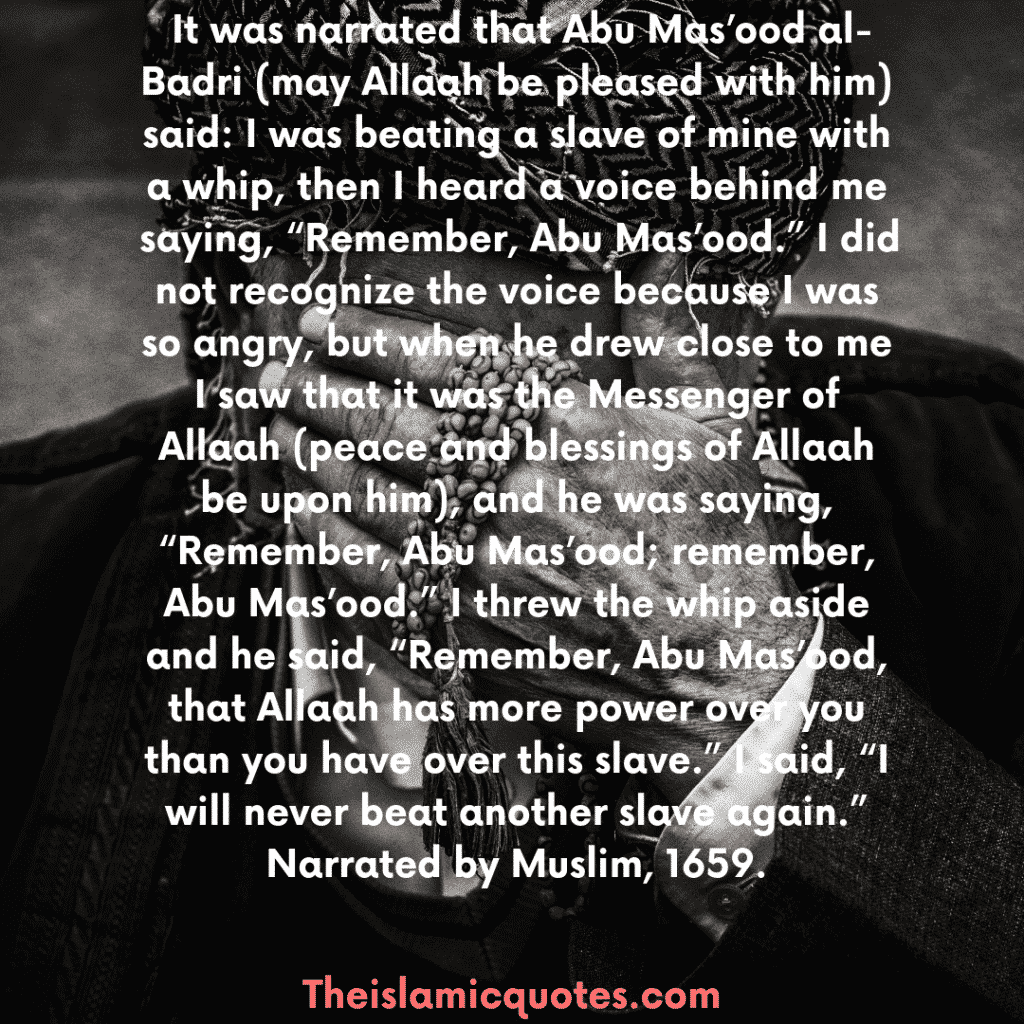
Domestic help and workers help us in many ways. Working for someone doesn’t mean they lost their dignity to the employer. They’re humans and Islam discourages treating servants harshly and brutally. There’s no place for beating up a servant or a worker. Aisha (may Allah be pleased with her) reported that the Prophet (peace be upon him) never struck a servant or a woman with his hand (Sahih Muslim), which sets the standard for us. Our manners of the Prophet post covers more.
↓ 1 – Don’t Treat Them As Your Inferiors
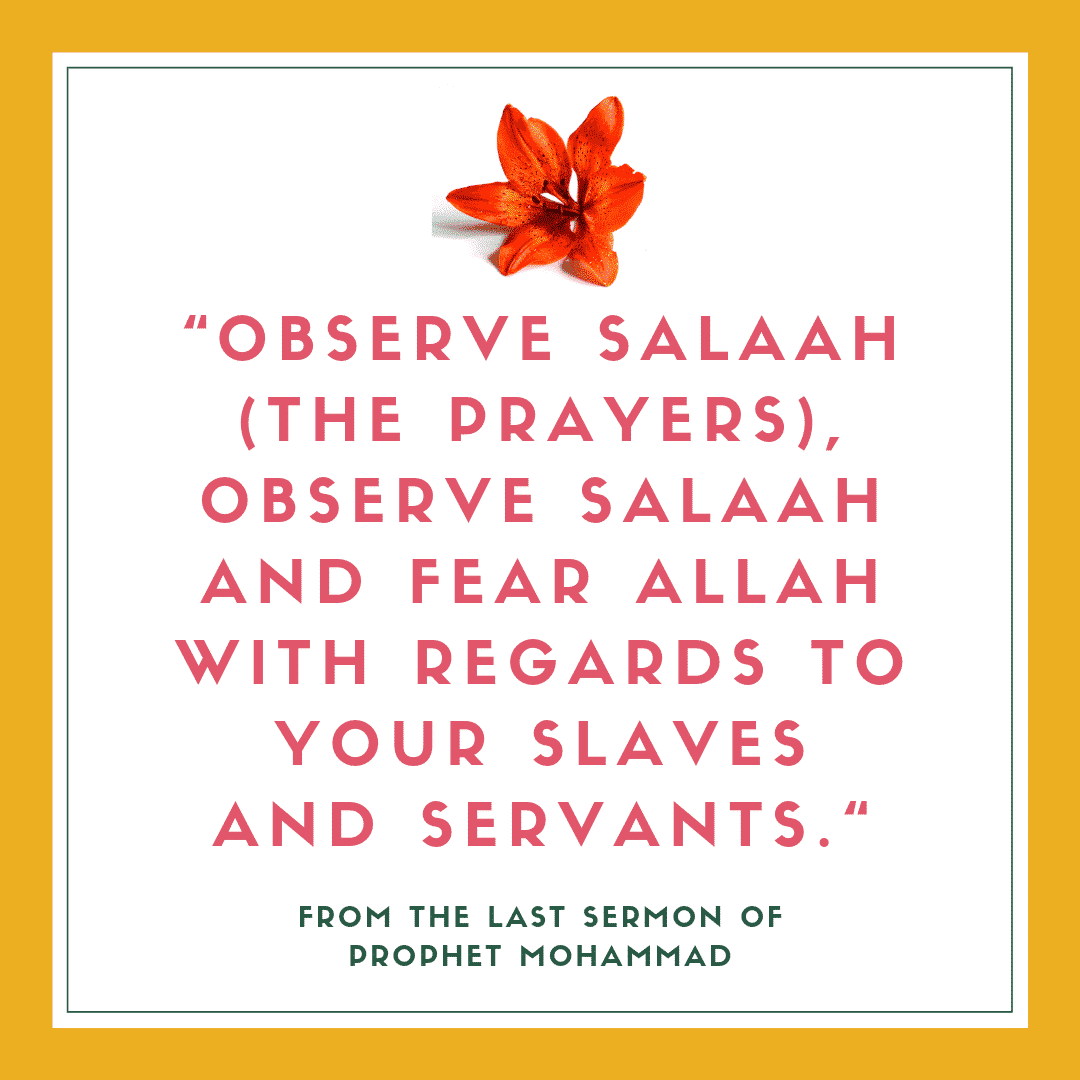
Allah SWT is the Superior of all and every creature is His servant. No human beings have superiority over another for any status or race. Our domestic workers and helpers are our brothers and they’re not inferior in any form. We have no right to feel superior or insult then thinking they’re inferior to us. Prophet Muhammad PBUH in his last sermon clearly mentioned that no human being has superiority over another in any case.
In conclusion, it is important for us all to realize that we have been created in different classes only by Allah’s choice and not because we deserved it. If Allah has blessed you with upper-class status, respect his blessing and do not misuse it.
Frequently Asked Questions
What are the main rights of domestic workers in Islam?
Fair and timely wages, reasonable work, decent food, clothing and housing, respect, and freedom from abuse. The Prophet (peace be upon him) emphasised kindness and fairness toward those who work for us.
Should wages be paid immediately?
Wages should be paid as agreed and without unjust delay. Scholars say the terms should be clear in advance, and local labour laws should also be followed.
Can I give zakat to my domestic worker?
Only if the worker genuinely qualifies as a zakat recipient, and never in place of agreed wages. Details differ among the schools, so ask a qualified scholar. See zakat in Islam.
Is it required to eat with my servants?
The hadith advises sitting the servant to eat with you or giving them a share of the food. Scholars understand this as strongly recommended good conduct, not necessarily an obligation to share the same table.
Can I discipline a worker who makes mistakes?
Physical punishment and humiliation are not part of the Prophet’s example. Correct mistakes gently, forgive where you can, and follow the law for any serious dispute. See Islamic quotes on forgiveness.
Salaam alaykom sister and Ramadhan Kareem,
Thank you for this lovely post. It was very informative. I’m sure many people have read your hard work but perhaps were too busy to thank you, so on behalf of them all, allow me to thank you on their behalf.
The muallam like you are a jewel in the crown of Islam. Please continue teaching people in this well researched and articulate way.
Insha’Allah
Walaikum Salam and Ramadan Kareem
JazakAllah for your kind words.
Kind regards,
Team TheIslamicQuotes