
Love Marriage in Islam: Marriage itself is a very sensitive topic, and when you are specifically talking about love marriage it is something to understand fully and take care of a few things. Islam has told us the importance of marriage many times. Because there are many things that should be considered before getting married. Marriage is a decision you take for your entire life; you have to consider it deeply with all of its aspects as in the form of marriage you are planning your whole life that is ahead of you.
And when we talk about marriage, the question often arises, that if it is allowed in Islam or not, and what are the boundaries and limitations that you need to follow. This is article is a detailed and thorough study on the matter at hand, that what is the place of love marriage in Islam. And what are the things permissible in Islam regarding that.
Are Love Marriages Allowed in Islam?
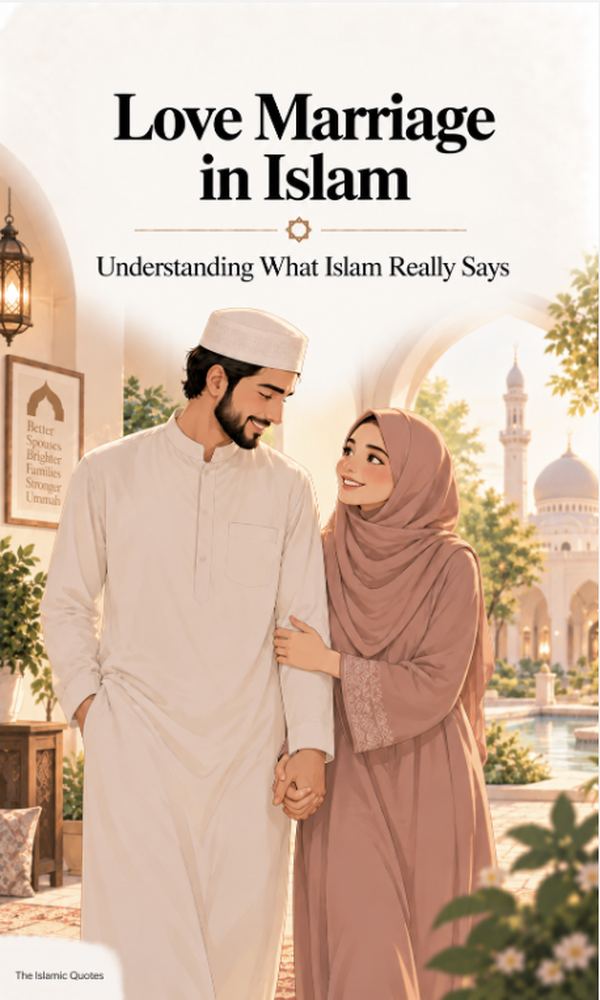
Importance of Marriage in Islam
Islam has mentioned the importance of marriage multiple times in Quran and Hadiths as well. Marriage is the union of two individuals to spend their whole life together, it’s an important part of life that gives meaning to the life of a Muslim.
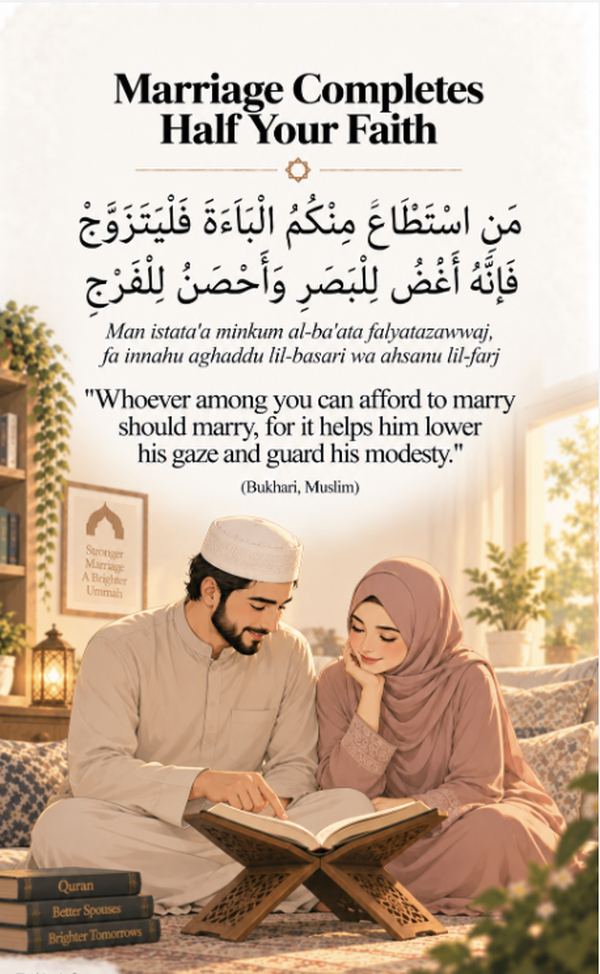
Our Holy Prophet has pressed on this matter a lot. A hadith reports that when a person marries he has completed half of his faith, so let him fear Allah regarding the other half (reported by al-Bayhaqi and graded hasan by some scholars). Marriage is also strongly encouraged for those who are able, as in the hadith of Bukhari and Muslim. Islam encourages marriage for those who are ready and able to take on its responsibilities (Sahih al-Bukhari and Sahih Muslim). No fixed age is prescribed, and what matters is maturity, capacity, and the free consent of both spouses.
Does Islam Allow Love Marriage?
This question can’t be answered in a single straight sentence. There are some conditions and situations for it, and Islam has answered it in detail to keep us from any confusion.
Our society is following west a lot, we are looking up to them in small things. From our lifestyle to rituals, we are blindly going behind them and calling it modern culture. But we are not realizing that we have almost forgotten the teachings our religion tells us.
One of the things that we have adopted from the west and that is mixing into our society is the dating culture, Islam disapproves of it and there is no place for courtship before marriage. But you must have seen how common it has become. This is not our culture at all, Islam doesn’t teach us such things.
As far as love is concerned, it’s a natural phenomenon, no one can control it, and if you have fallen in love with someone, there is a proper way to pronounce it and that is getting married, of course, with the consent of parents or guardians. This issue will be discussed in detail further in the article.
Love in Islam
Islam doesn’t restrict you from falling in love. But there are some boundaries set that every Muslim has to follow. Of course, love is a natural feeling and it is good to have that feeling for your spouse, and even if you have such feelings before marriage then make them your spouse there is no other way considered right or appreciated other than getting married to someone you love.
Spending years in courtship, without Nikkah is extremely forbidden in Islam and is considered a sin by any means. Because they are still na-mahram to you and sparing even an extra glance at a na-mehram – who is not in your Nikkah, is wrong in the religion.
Read the two conditions of love given below in detail.
3. Love Before Marriage
Love marriage’s right meaning is the kind of marriage which is arranged with the consent of two individuals and they have known each other before getting married and decided for themselves to get married and involved the family afterward. But sometimes when one or both sides of families don’t accept it, it mostly leads the two to run away, which is entirely wrong in Islam.
According to Islam, you are allowed to choose a partner for yourself. But you should not be involved in any immoral act that is forbidden in Islam. As looking at na-mehram for the second time is not considered right, for the first glance it can be either necessary or mistaken, but the second glance can’t be directed towards your na-mehram. And involving yourself in physical or any kind of contact with them is strictly forbidden.
If you like someone and want to get married to them, the best way is Nikkah, which has no restrictions. But romantic friendships, private meetings and flirtation with the opposite gender are not permitted; necessary dealings such as study, work and family matters are allowed with modesty. Either you can get married to them or keep your distance from them. Making the western culture of such friendships and relationships has no place in Islam.
If you’re in a haram relationship, do go through this guide on Proven Ways To Quit Haram Relationships As Per Islam.
2. Love After Marriage
The purest form of love is what happens after marriage. After marriage, you get to know the person from inside too, in a way deeper way. Their thoughts, their perspective about certain things, how they build your home, and how you too grow together, the understanding that develops, and the way you can pour out your love to them, is all different from what you experience in love before marriage.
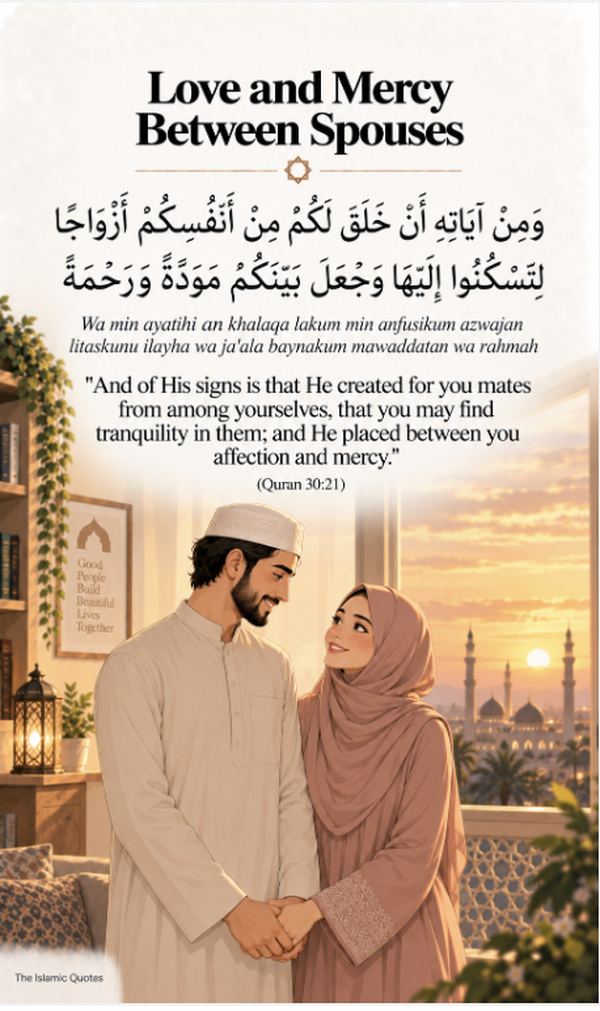
You may not have a prior understanding or such connection, but the bond that forms after Nikkah is beyond anyone’s apprehension. Allah Almighty, who places love and mercy between spouses (Quran 30:21), develops that kind of love in their hearts (see also the rights of wives in Islam) that stay for eternity if both are loyal and sincere towards each other. And in such a relationship, there is no fear of getting rejected by the families, because they arrange the marriage themselves, of course with the consent of both individuals.
Growing into a relationship is what keeps the two stronger, and the love built out of it is not temporary like the before-marriage love. That is the right way, and Islam requires everyone to avoid physical or intimate relationships outside marriage, which is a major sin.
Here are Islamic Love Quotes for Wife and Islamic love Quotes for Him.
1 – Restrictions Regarding Love Marriages in Islam
Islam has set some boundaries, either you call them that or restrictions, but there is a fine line the religion has stretch out for us to differentiate between right and wrong, and know what is immoral and forbidden in our religion. We have jotted down some of those points that every Muslim should know regarding this matter.
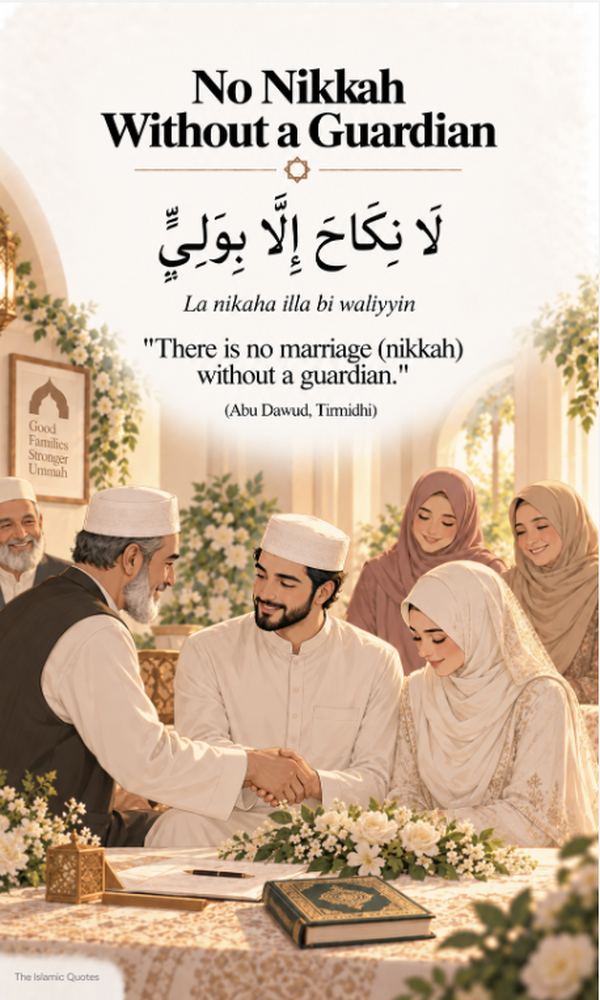
- Even if you love someone with the intention of marrying them, involving your family is strongly advised. According to the majority of scholars (Maliki, Shafi’i and Hanbali), a valid nikkah requires the woman’s guardian (wali), based on the hadith “There is no marriage without a guardian” (Abu Dawud, Tirmidhi), together with the consent of both spouses. The Hanafi school holds that an adult woman may contract her own marriage, though involving her family is still strongly encouraged. If parents object for a valid religious reason, such as concerns about the person’s faith or character, their advice should be taken seriously.
- If the family is not accepting the person you have chosen to spend your life with, without any valid or relevant reason, then this is also a wrong thing. If a guardian refuses without a valid religious reason, the matter can be referred to the next eligible guardian, a trusted elder, or a qualified scholar or court, rather than going ahead in secret. Rulings on the guardian differ between the schools as explained above, so ask a qualified scholar about your situation.
- Seeing each other is also not allowed in Islam. As in the religion, you are not allowed to see a na-mehram, this is the same case. Although, Islam allows a man and woman who intend to marry to see each other and speak briefly in the presence of family (a hadith in Jami at-Tirmidhi and Sunan Ibn Majah encourages looking at the one you intend to marry), as they should know whom they are going to marry, while remaining modest.
- Secret marriages are another thing that is happening in the world these days. When the two don’t get a positive answer from their families they step up for themselves and go for court marriage or a normal nikkah without telling anyone and keep it hidden. Such marriages are strongly discouraged by scholars and may be invalid if essential conditions are missing, firstly because they have done it without the consent of their parents, and secondly they haven’t done it publicly. Announcing the nikkah publicly is strongly encouraged, and the walima (wedding feast) is a recommended Sunnah held for that purpose. The mehr owed to the bride is a right of hers (see haq mehr in Islam).
- Forcible marriages also don’t have a place in Islam. Islam has strictly forbidden anything which is implied with force, let alone marriage. Our Holy Prophet (peace be upon him) gave a woman whose father had married her against her wishes the choice to accept or annul the marriage (Sahih al-Bukhari), and said that a previously married woman must be consulted and a virgin must be asked for her permission (Sahih al-Bukhari and Sahih Muslim).
Frequently Asked Questions
Is love marriage allowed in Islam?
Yes, a person may choose a spouse he or she loves, provided the process stays within Islamic limits: no private meetings or physical contact before nikkah, and a proper marriage with consent and witnesses.
Is a wali (guardian) required for nikkah?
Scholars differ. The majority (Maliki, Shafi’i and Hanbali) require the woman’s guardian, while the Hanafi school allows an adult woman to marry herself, though involving her family is still strongly encouraged. Ask a qualified scholar about your situation.
Can parents force a marriage?
No. The consent of both bride and groom is required, and forced marriage is not valid without the free consent of the person concerned.
Can the couple meet before marriage?
They may see each other and talk with family present to decide on marriage. Dating and private meetings are not allowed. See ways to quit haram relationships.
What is a secret marriage?
A nikkah done secretly without family or proper witnesses is strongly discouraged and may not even be valid. Marriage should be announced, and the walima is a Sunnah.