
Islamic Quotes on nature: Following Judaism and Christianity as the last Abrahamic religions, Islam views the creation of the universe as the proof of the existence of one and only Creator. Allah gives meaning and life to everything, and we should thank Him for His countless blessings.
Allah (God) is the one God, the absolute Creator of the universe. His laws are according to Islamic theology. He is the beginning and end of all things, and thus Islam’s teachings are built on this foundation.
What Does Islam Teach About Nature?
Both the Quran and hadith are full of beautiful quotes about nature and its importance in Islam. Here are some of our favorite ones that define the concept of nature in Islam:
10 – Everything in Nature Works by Allah’s Permission
You should also go through these Quotes That Prove Allah is The Best Planner of All Affairs.
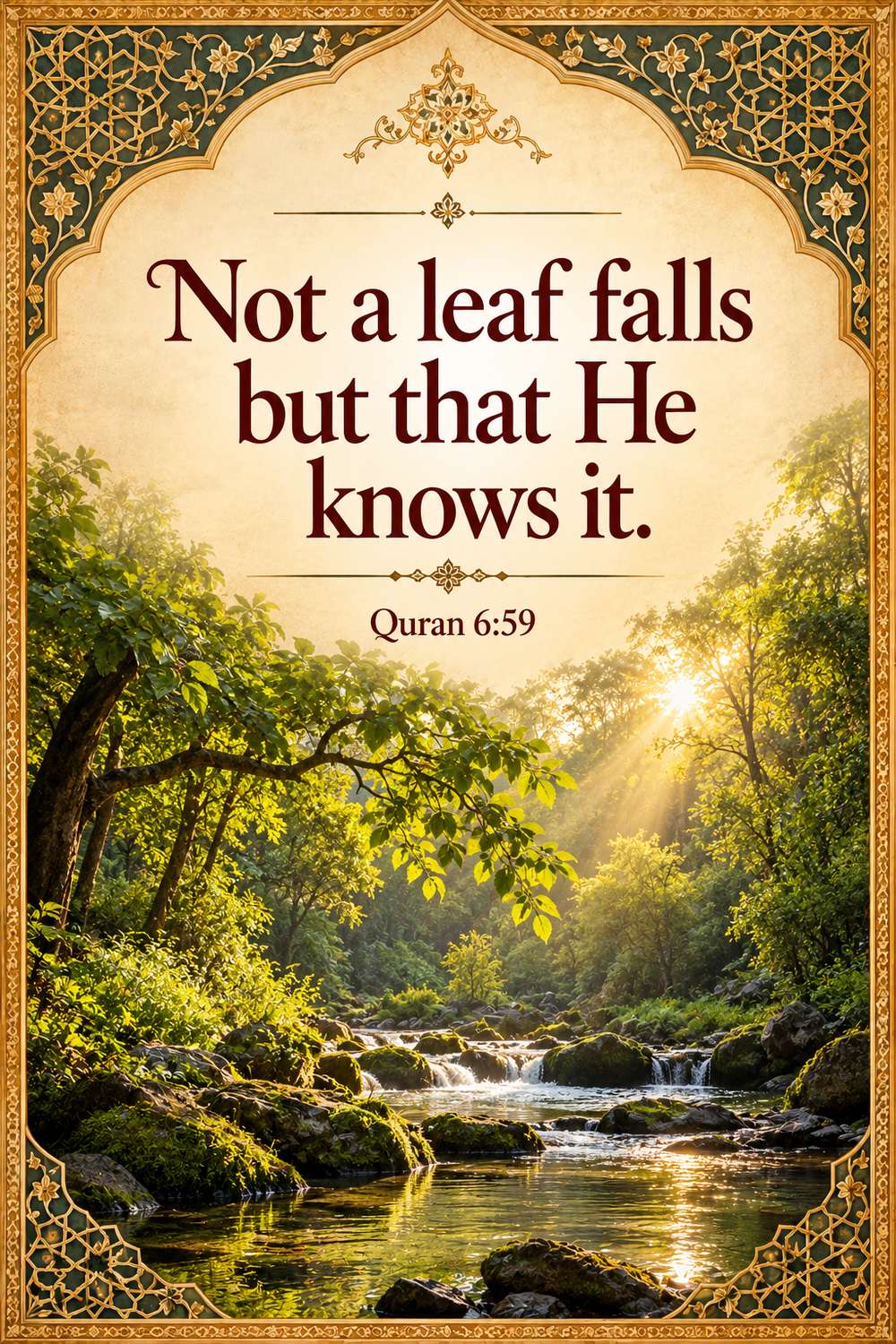
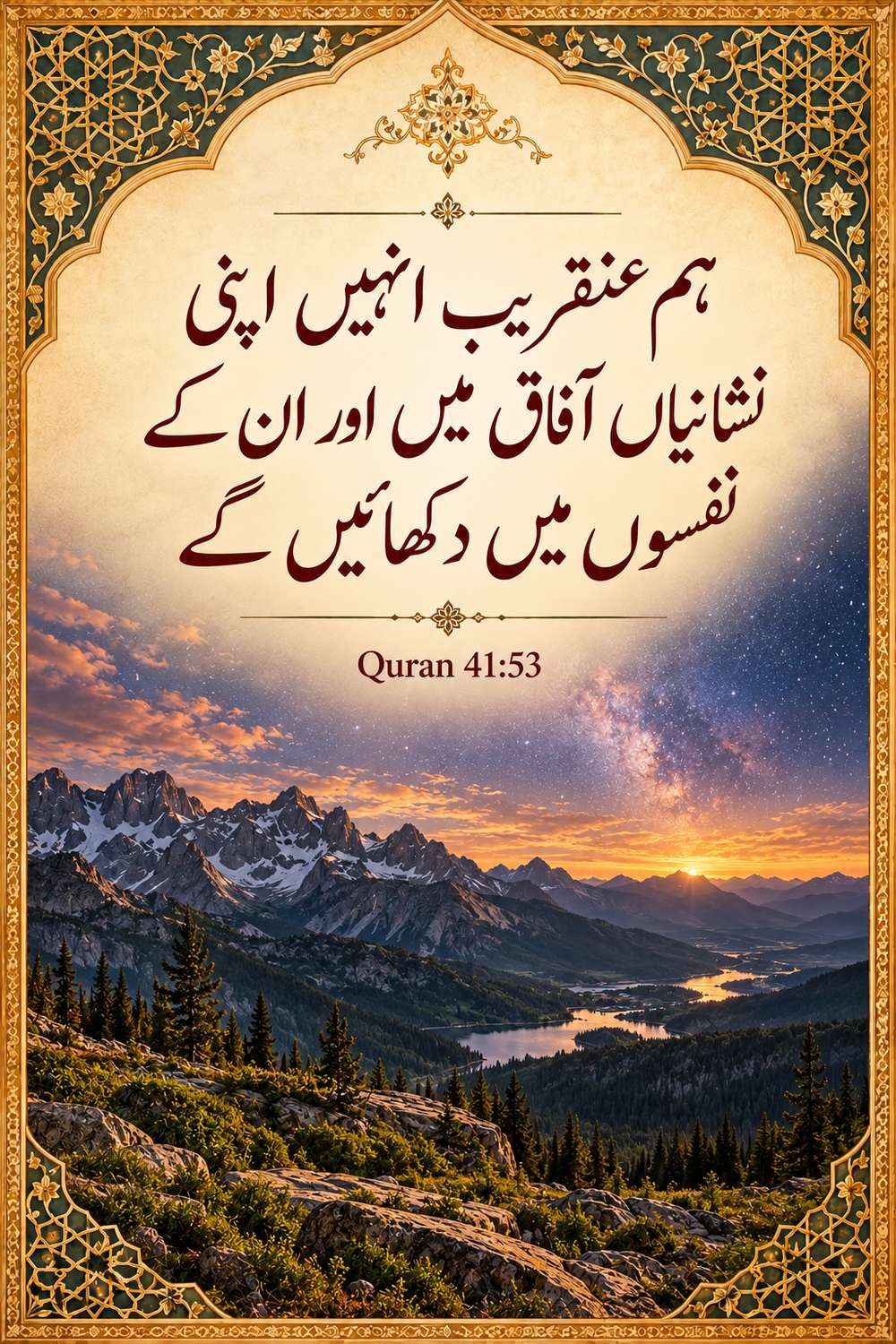
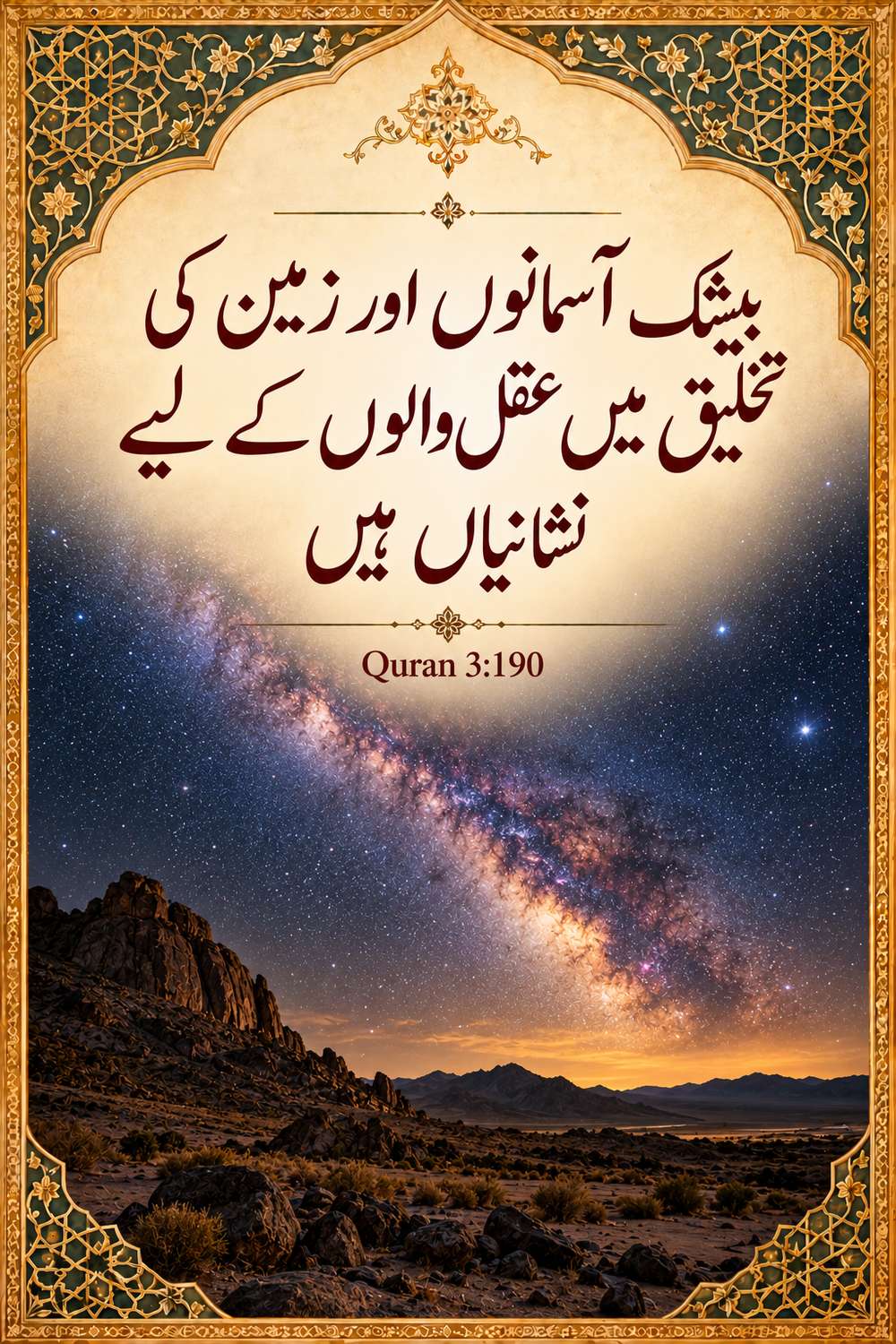
9 – Nature is a Sign of Allah
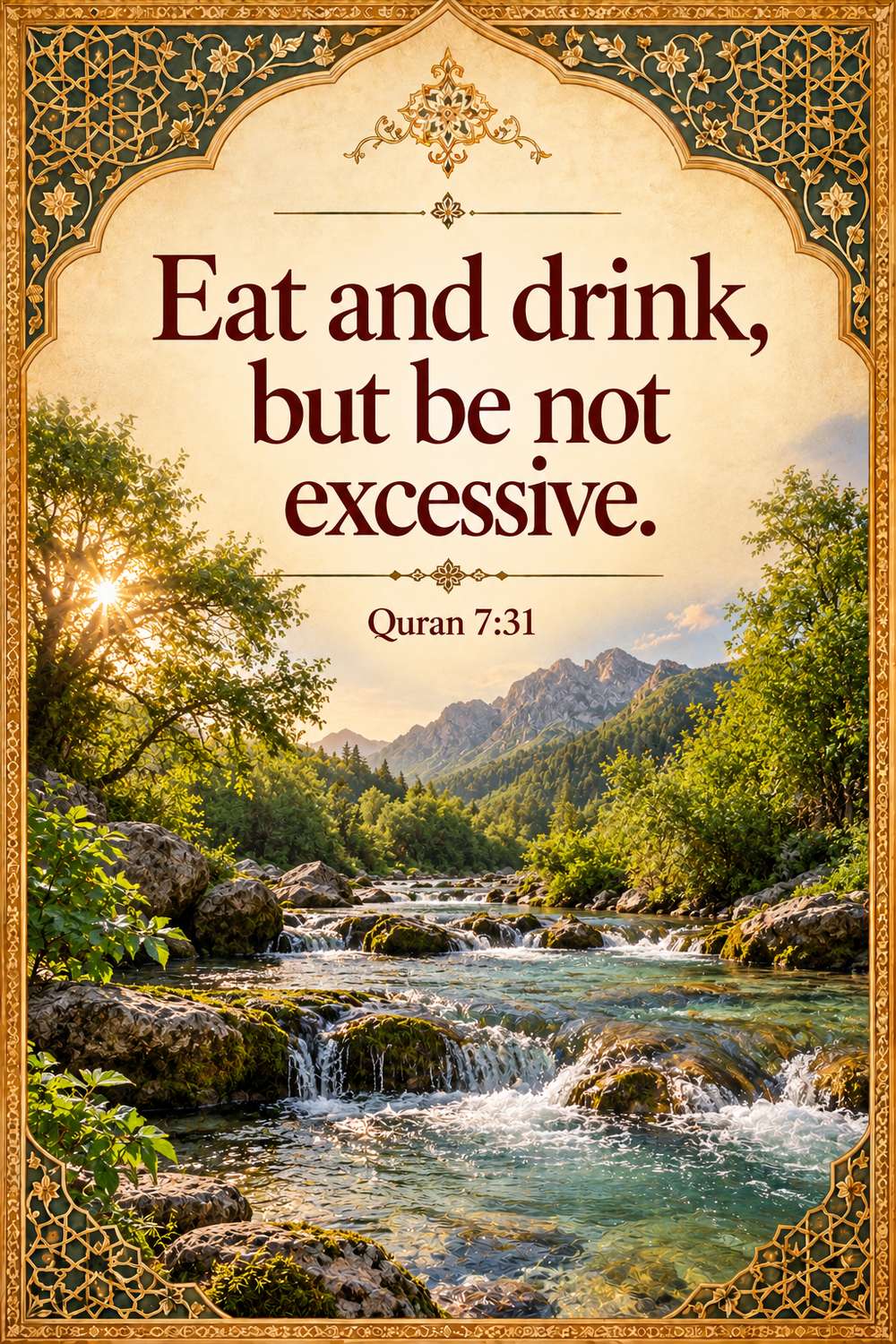
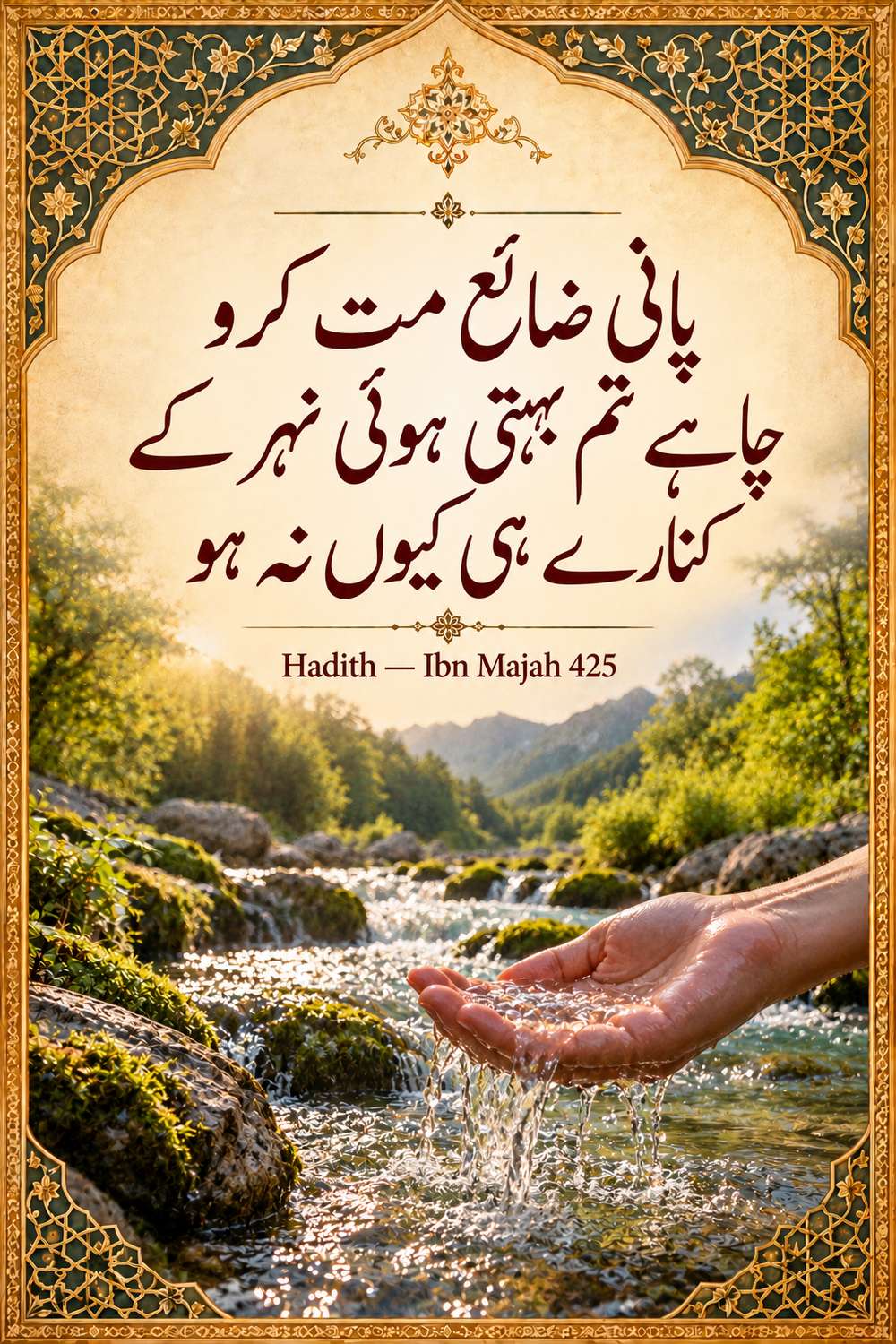
8 – Do Not Waste The Earth’s Natural Resources
The Quran (7:31) tells us not to be wasteful, and the Prophet (peace be upon him) taught moderation in food and water. See also our post on the rain in Islam.
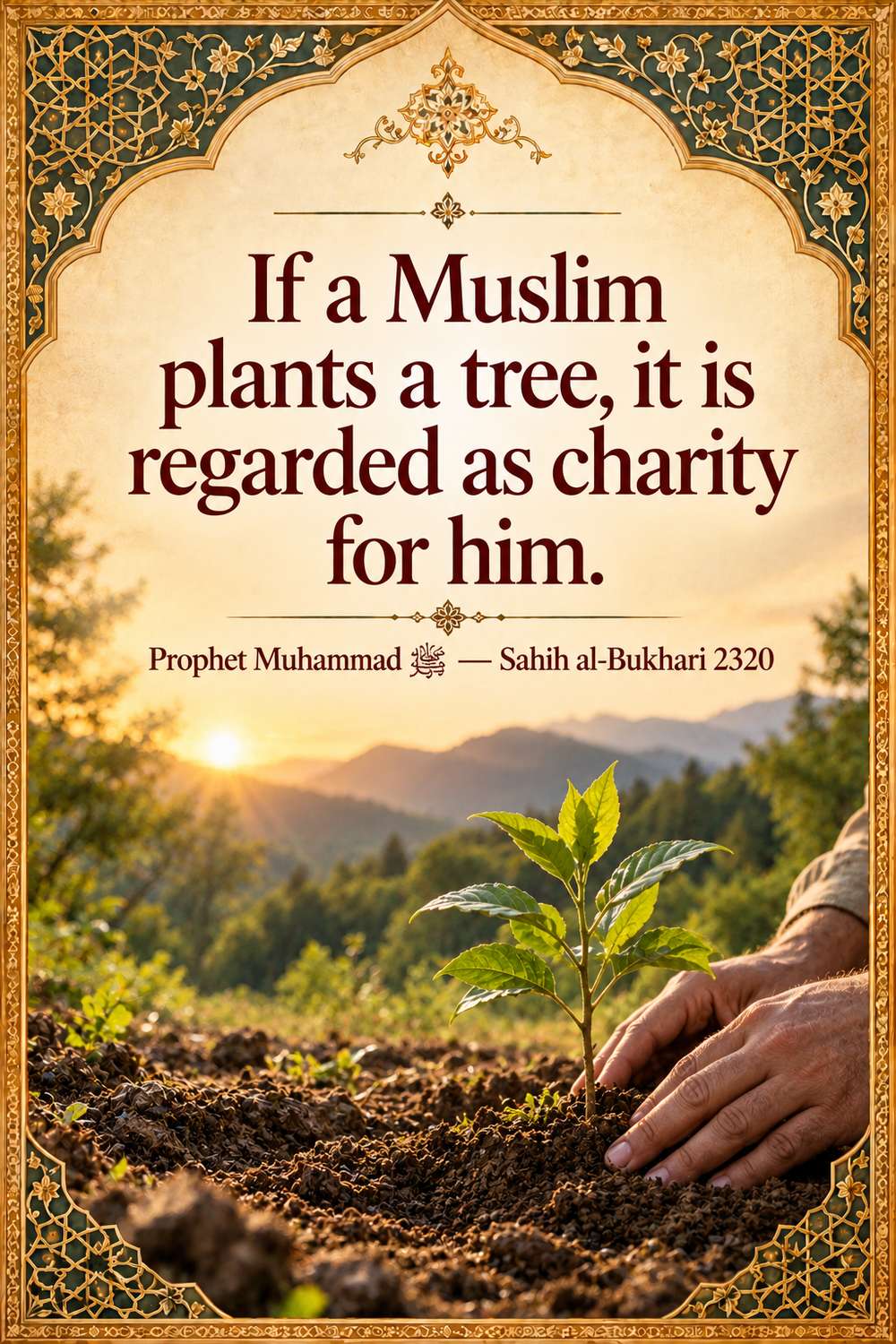
7 – Planting Trees is a Form of Charity
6 – Nature in Quran
The Qur’an is Allah’s message as it was passed down to Muslims through the Prophet Muhammad (peace be upon him). The Qur’an has been preserved in a single written text (the Uthmani mushaf), although it is recited in several authentic modes of recitation (qira’at), which attests to Muslims’ veneration for it.
The Qur’an, which contains Allah’s word, is unmistakable proof of His existence for Muslims. Nature, in addition to the Qur’an, is a source of proof of Allah’s existence. The phrase ayat, which refers to indications of Allah’s existence in nature and also refers to verses in the Qur’an. Hence, It demonstrates this close tie between the Qur’an and nature.
5 – The Entire World Is a Mosque
One of the peculiar characteristics of those who reject “organized religion” in favor of bizarre cults is how easily they replace the profound with the superficial. The great faiths have a breadth and depth that could never be investigated in a lifetime. Whereas cults are empty and narrow when their surface dazzle is peeled away.
Here’s a list of 10 Most Beautiful Mosques In The World (with photos).
This has been the case with the majority of Muslims, who have tended to disregard what the Quran says about our environment and our responsibilities to the animal world.
● Islam and Environmentalists
It’s been claimed that we leave our fingerprints on everything we touch and that they stay there long after we’ve moved on. However, this is merely one facet of our reciprocal relationship with everything in our environment. We are not shielded from the world around us. We harm ourselves when we treat the natural world solely as a resource to be exploited and dominated.
Environmentalists warn that our mistreatment of the environment will have catastrophic effects on humanity as a whole. Yet unfortunately that may be the least of our concerns. There are many levels of consequences; the higher the level, the more devastating the consequences are likely to be.
● A Universal Prayer
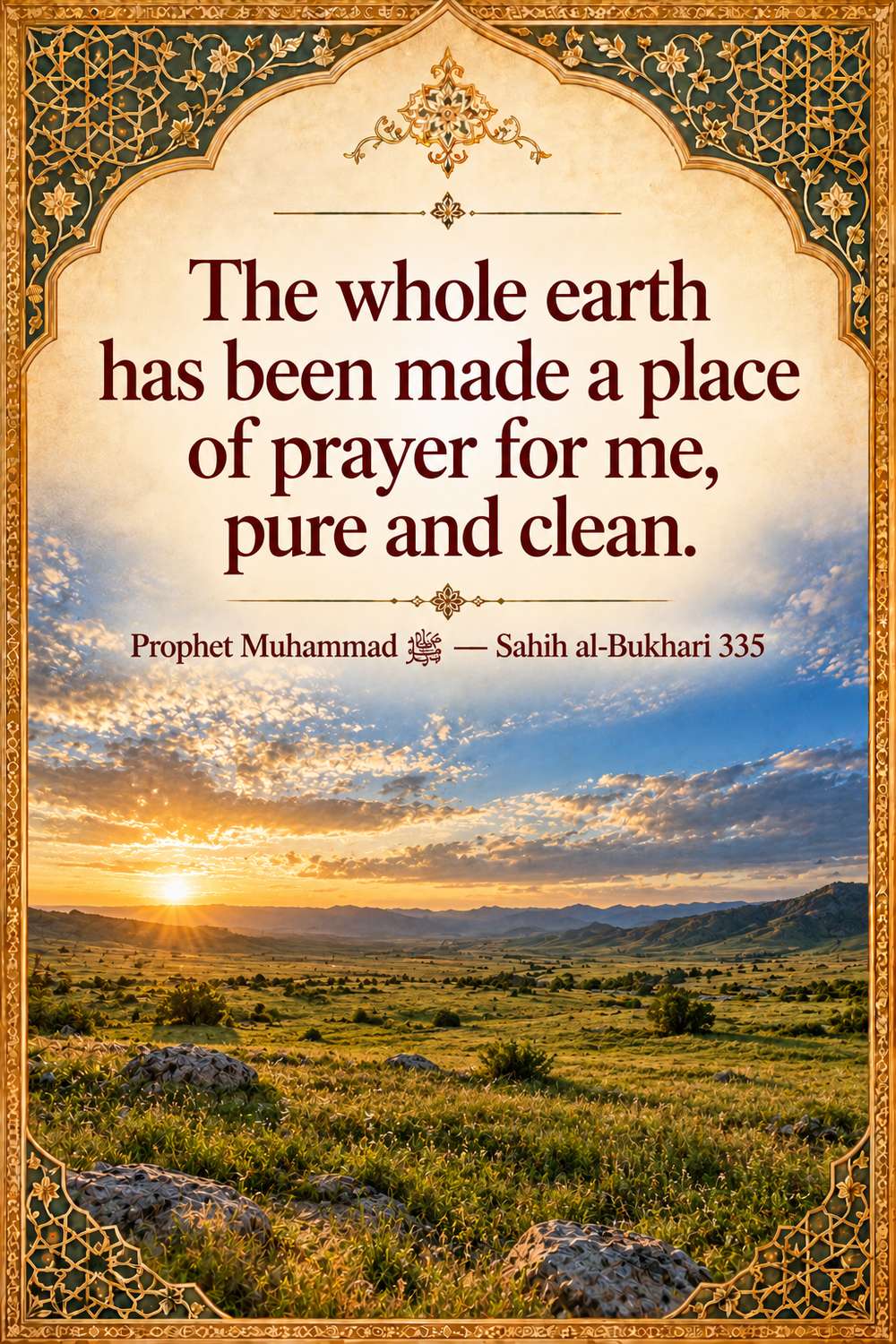
The Prophet (peace be upon him) said that the earth has been made a place of prayer and a means of purification for him (Sahih al-Bukhari 335), so the whole earth is, in principle, a place where a Muslim may pray, apart from places such as graveyards and toilets, as scholars note. The fortified structures to which he is summoned for worship are merely for his convenience. Fields, forests, and deserts are all suitable locations for prayer. They should be treated with the same reverence as a traditional mosque.
It is a component of faith to respect all that God has made, for everything bears the imprint of His hand. In the middle of nature, a man or woman who stands bends, and prostrates is a member of a universal congregation, participating in a universal prayer.
3 – Mankind & Nature
Since man was made of clay, he is a part of nature rather than separate from it. This connection to nature manifests itself in Islamic life in a variety of ways. The most significant and obvious of which is death.
In Muslim burials the body is washed, shrouded in simple white cloth and buried without a coffin where possible, ideally as soon as possible and often on the same day. Hence, this is done to make an easier return to the earth.
The man was granted a specific place in Allah’s cosmos. Islam teaches that nothing is like Allah (Quran 42:11). Allah honoured mankind above much of His creation by breathing into Adam a spirit that He created (Quran 15:29).
This special treatment of God’s creation afforded man two advantages that the rest of creation did not have:
- Freedom of choice.
- Creative knowledge
2 – God’s Signs in Nature: A Re-Discovery
The importance that the Quran places on the environment, or the natural world, as a “reminder” that helps us keep God in our minds at all times.
However, even a hazy perception of these unavoidable “signs of God” necessitates the preservation of a child’s sight throughout adA child sees the world as if it were fresh from God’s hand and full of wonders. However, as time passes, the vision fades.
1 – Animal Creation Deserves Respect
Many Muslims appear to have overlooked the ramifications of what the Quran says about the natural world and the value of animal creation. However, it’s not just the Quran. These characteristics of the Faith are repeatedly mentioned in the Prophet’s recorded sayings, the hadith literature.
The life of a good Muslim is lived in imitation of the Prophet Muhammad’s example, and the most rigorous references to animal welfare may be found in the ahadith. They have serious consequences for anyone who fails to provide adequate care for the animals in their hands.
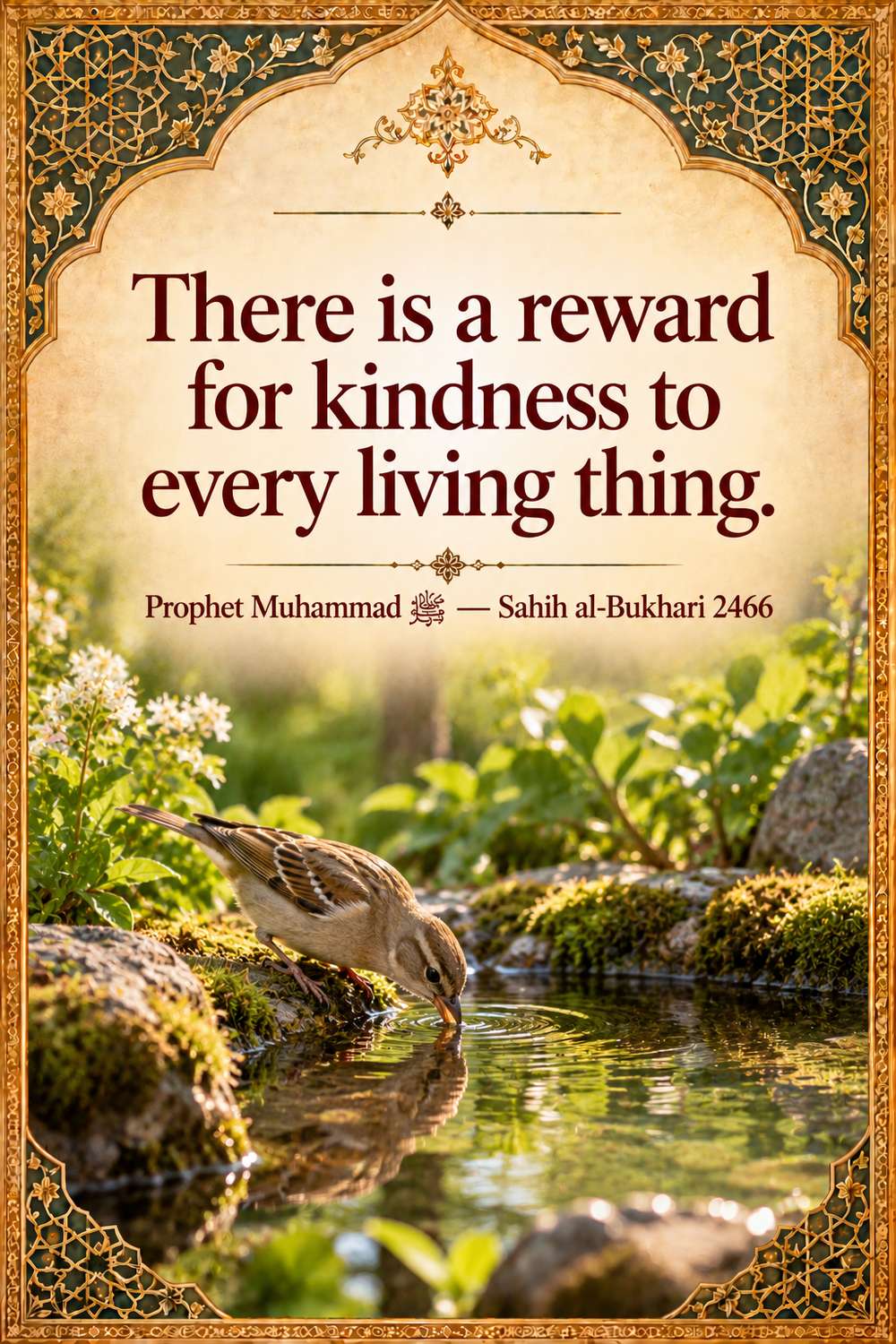
There are a number of small episodes in the record that emphasize the same point, such as the woman who was punished in the Hellfire because she confined a cat until it died, neither feeding it nor letting it eat (Sahih al-Bukhari 3318, Sahih Muslim 2242). Then there is the account of a prostitute who was forgiven because she gave water to a dog suffering from thirst (Sahih al-Bukhari 3321, Sahih Muslim 2245).
An Open Invitation to Knowledge and Learning
According to Islamic traditions, the first exhibition of creative knowledge occurred when Allah challenged the angels and Adam. Allah asked them to name items after they questioned Allah about why he had created man in the form of Adam. The angels couldn’t give things names. However, Adam could, giving him an advantage over the objects he named and exhibiting his Creator’s power.
Islam, through the Qur’an, urges man to discover the laws of nature and the ways in which the cosmos exists as part of man’s privilege. In this sense, there is no challenge to Allah’s dominance. If Allah wants something to remain a mystery (such as Himself), then man has no possibility of learning what Allah wants to keep concealed.
On the contrary, man’s enormous wisdom becomes obvious when he witnesses for himself how methodically the cosmos has been created and prepared for. Therefore, man is encouraged to inquire about, learn, explore, and influence the world around him in order to benefit from it.
Frequently Asked Questions
What does Islam say about protecting nature?
Humans are described as stewards (khalifah) on earth (Quran 2:30), told not to cause corruption (7:56) and not to waste (7:31). The Prophet (peace be upon him) also encouraged planting and caring for living things.
Is planting a tree really charity?
Yes. The Prophet (peace be upon him) said that when a Muslim plants a tree or sows a crop and a person, bird or animal eats from it, it counts as charity for him (Sahih al-Bukhari 2320, Sahih Muslim 1553). See also Islamic quotes on charity.
How should Muslims treat animals?
With mercy. Authentic hadith warn against cruelty to animals and praise kindness to them. Rulings on matters such as keeping pets or slaughtering differ between schools, so ask a qualified scholar for specifics.
What does it mean that nature is a sign (ayah) of Allah?
The Quran repeatedly calls the heavens, the earth, the alternation of night and day and rain signs for people who reflect (for example 3:190). Contemplating creation is encouraged as a way to strengthen faith.
Can I pray outdoors?
Yes, generally, as long as the place is clean and not one of the places scholars exclude (such as graveyards or toilets). Schools of thought differ on some details, so consult a qualified scholar.