
Best books on History of Islam. Islam is the second largest religion in the world with 1.8 Billion Muslims worldwide. How did Islam Religion Began? How was it started? Who is the father of Islamic history? How did Islam spread? Who brought Islam to us? These are the general questions that arise in the mind of Muslim and even non-followers who want to study history. Today we can take you to the historical books of Islam written by historians to increase your knowledge about the history of this beautiful religion. For early history, you can also read about the lessons from the Battle of Badr and the Islamic Hijri calendar. Note that some books below are written by non-Muslim academics and may differ from traditional Muslim accounts.
RECOMMENDED: Top 15 Islamic Books Every Muslim Should Read
TOP BOOKS ON ISLAMIC HISTORY
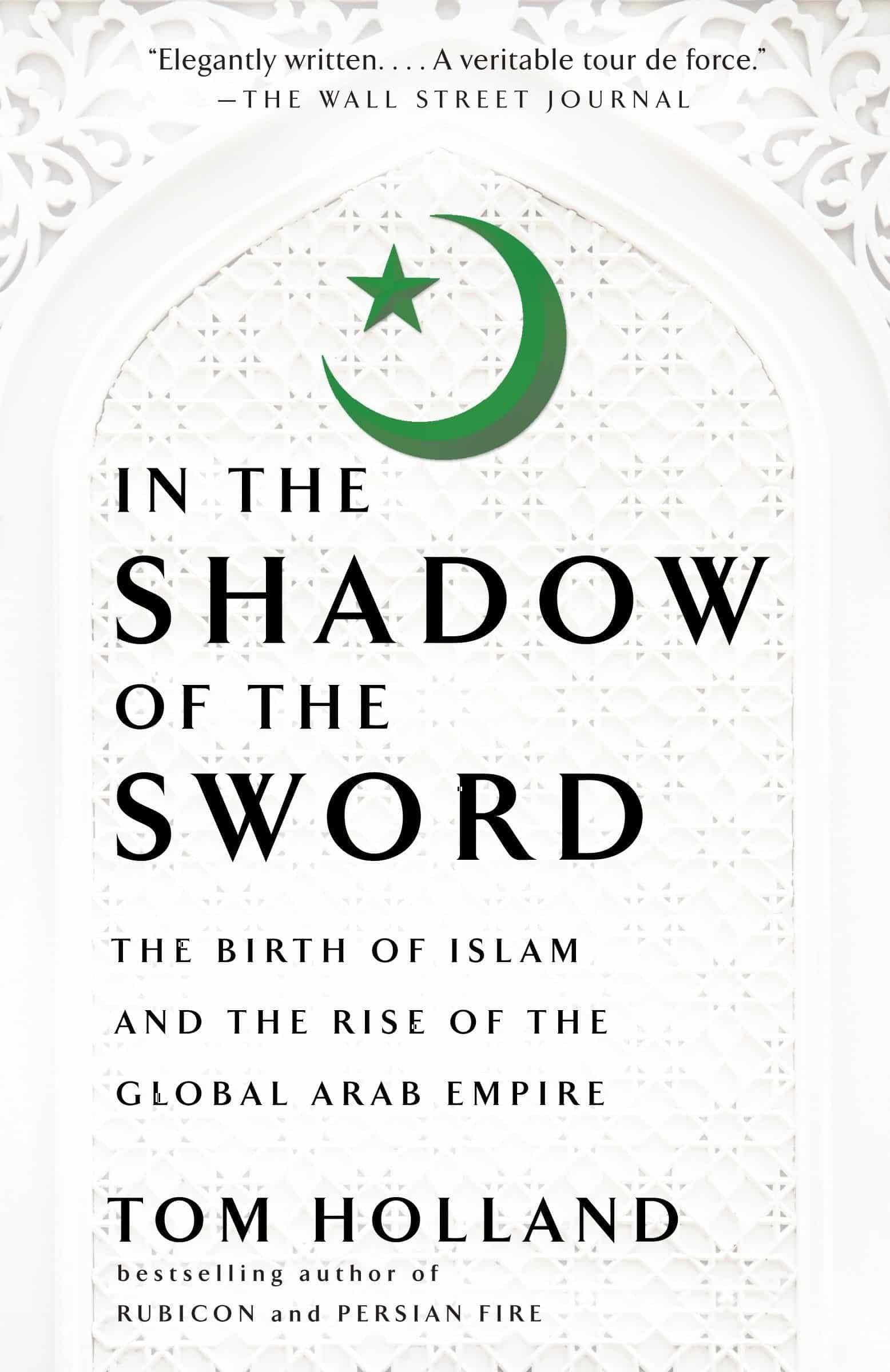
The Crusades Through Arab Eyes by Amin Maalouf
The book is a narrative story of Arab chronicles that seeks to provide an Arab perspective on the Crusades. The period under narration is Medieval. The book focuses on the historical roots of the relationship between the Arab world and the West from the Arab perspective. The author takes the reader on a voyage from the start of the First Crusade in 1096 to the Muslim recapture of Acre in 1291. Author’s main aim is to make the book accessible to those peoples who don’t have knowledge of the Muslim world.
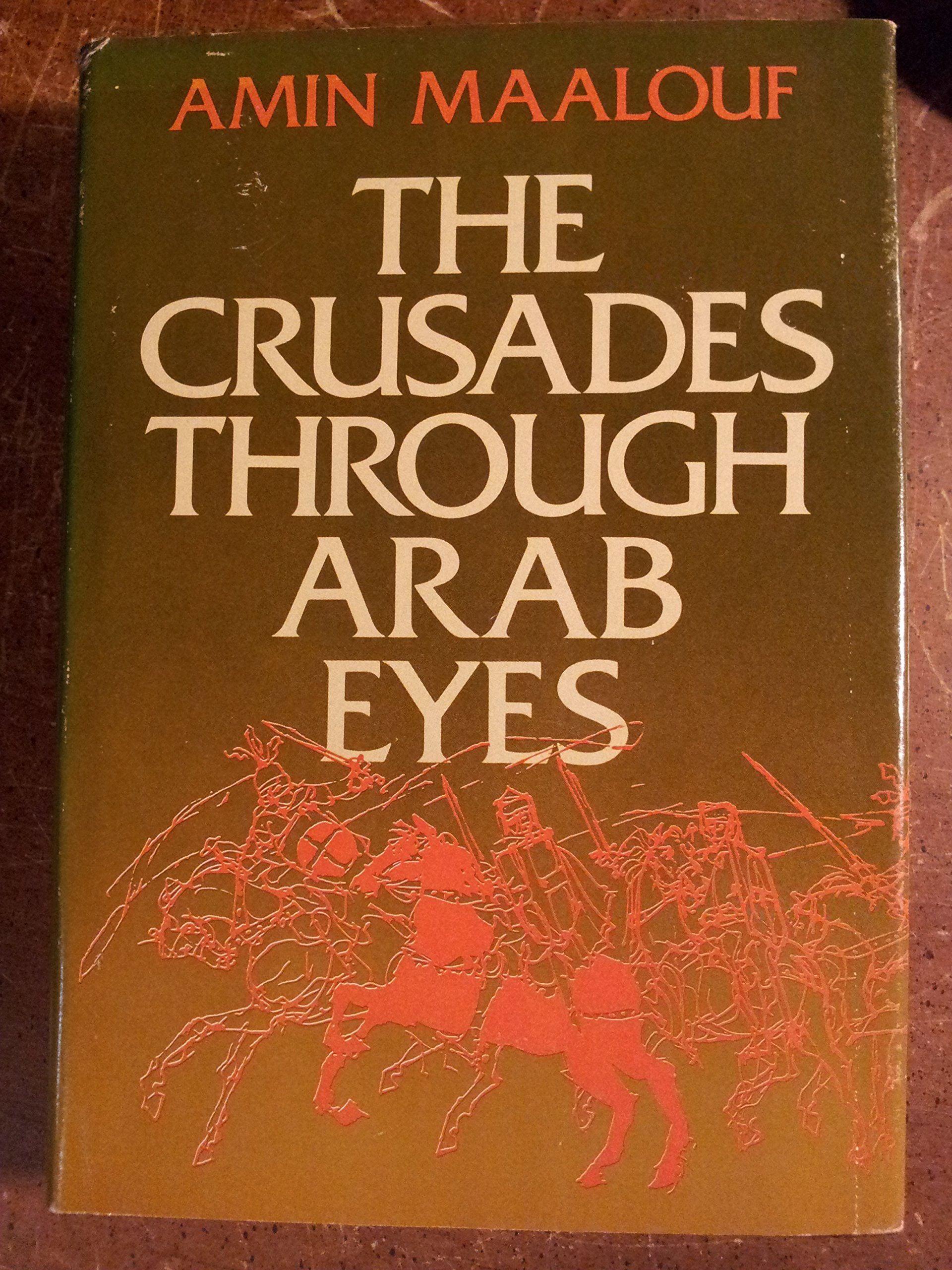
Islam and the West by Bernard Lewis
The book written in 1993 is divided into three sections. The first section narrates the interaction between the Islamic World and Europe. The second section is associated with the perceptions that arose from the interaction of these societies. The final section of the book tells Islamic responses in recent times.
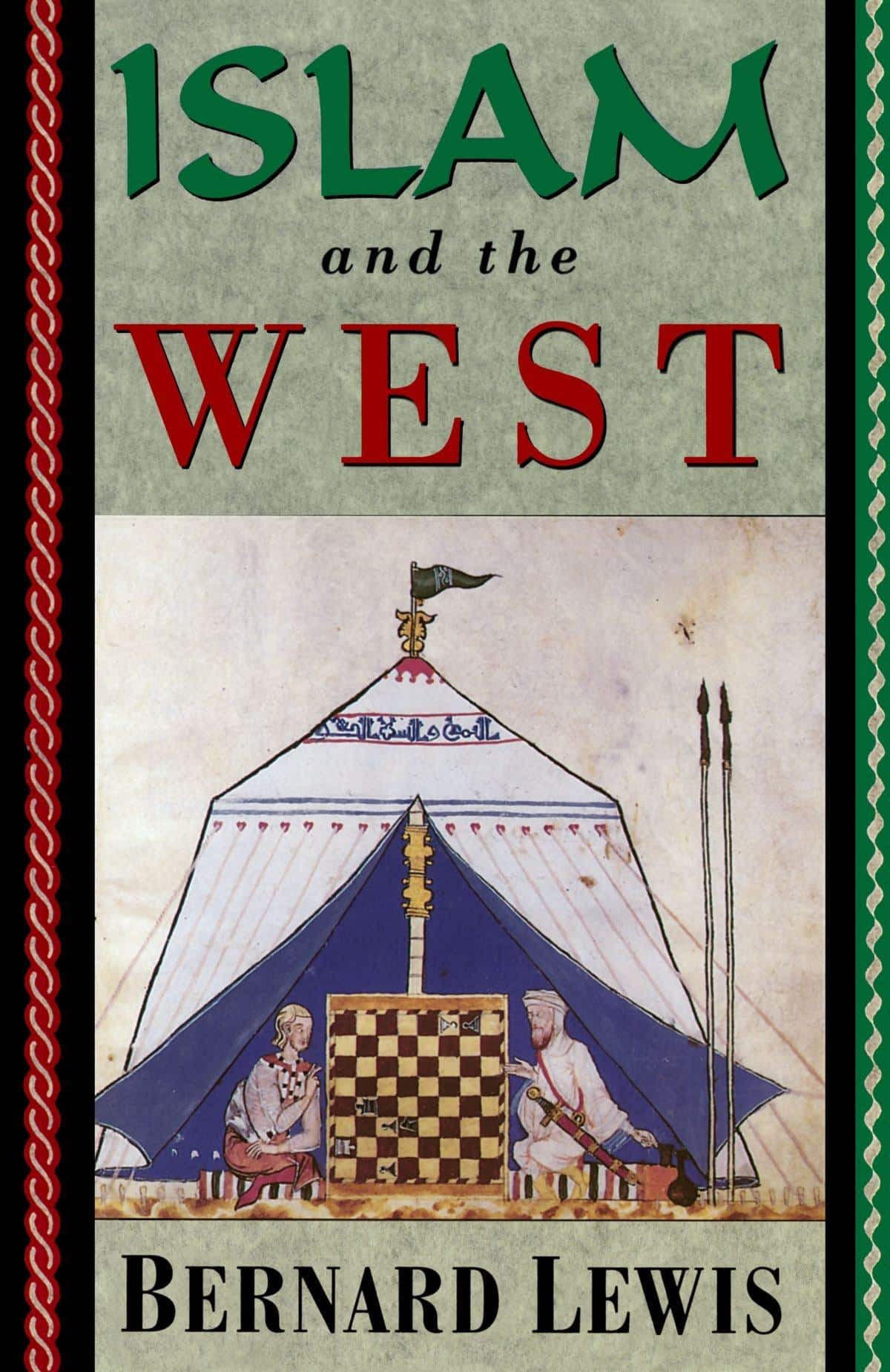
The Muqaddimah: An Introduction to History by Ibn Khaldun
The book written in 1377 by historian Ibn Khaldun tells the universal history. The book deals with historiography, Islamic theology, the philosophy of history, political theory, and the natural sciences of chemistry and biology.
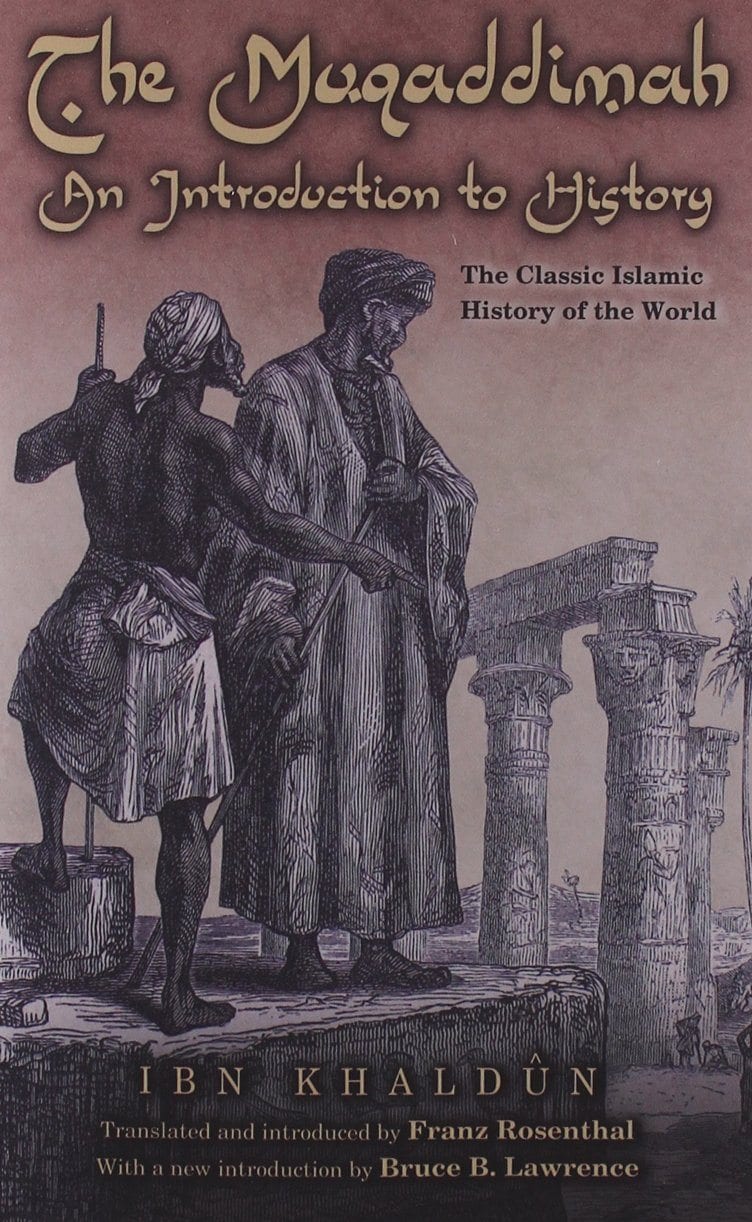
In the Shadow of the Sword: The Birth of Islam and the Rise of the Global Arab Empire by Tom Holland
The book charts the origin of Islam. Tom Holland, a non-Muslim historian, sets Islam’s rise against the backdrop of the Roman and Persian empires. He notes that the earliest surviving biographies of the Prophet Muhammad (peace be upon him) were written some generations after his lifetime, and he questions some traditional accounts. This is a contested, revisionist view; Muslim scholars rely on the carefully preserved chains of narration of hadith and sirah, and readers should compare it with classical sources. The author also relates the fascinating story of Islam’s ascent to the current crises and controversies. The book comprised 500 pages was published in 2012.
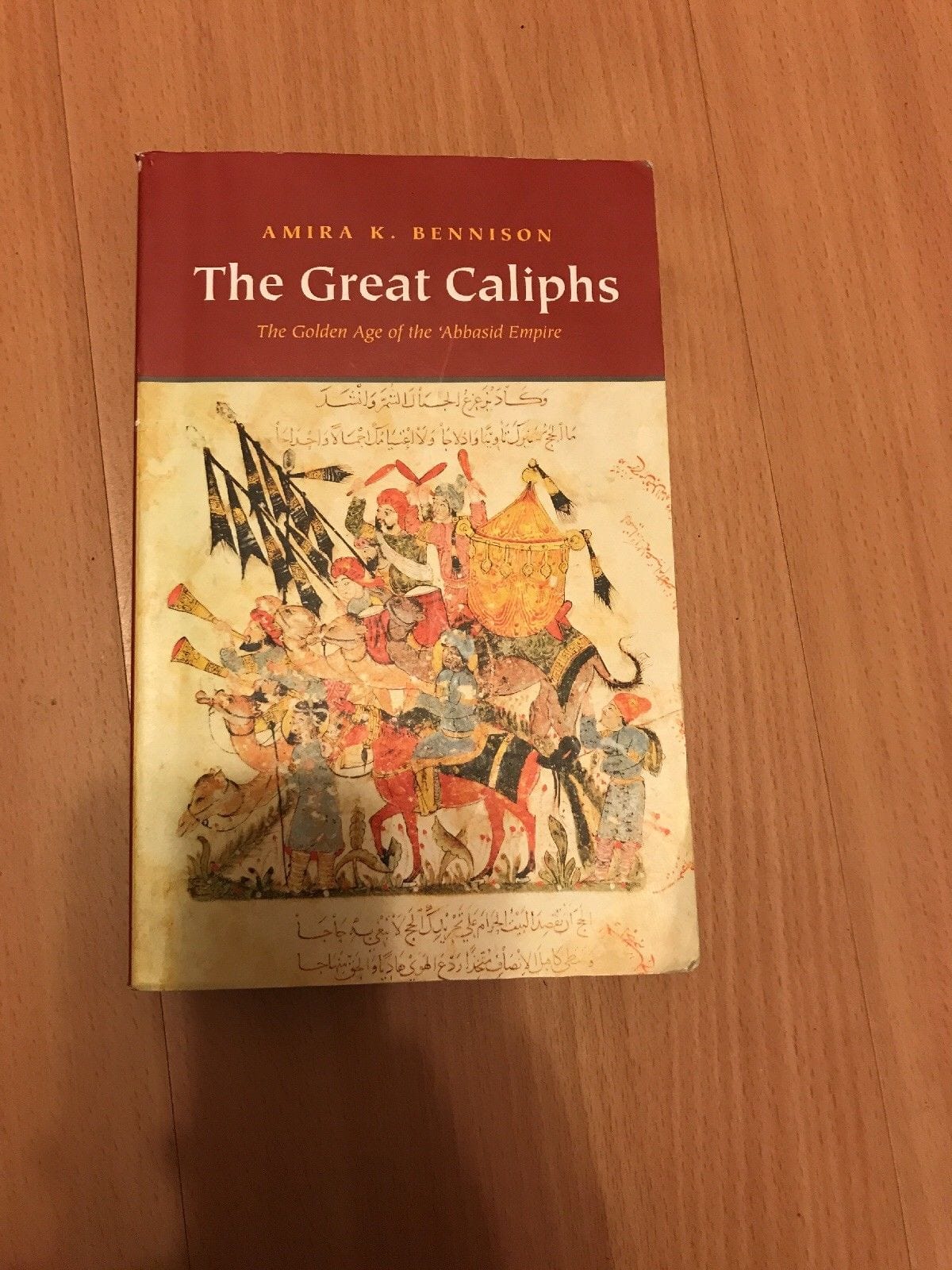
The Great Caliphs: The Golden Age of the ‘Abbasid Empire by Amira K. Bennison
In this historical book published in 2009, the author places the Islamic civilization in the track of Mediterranean civilizations and narrates that the Abbasid Empire are the inheritor of Graeco-Roman traditions. And the Abbasid period nurtured many civilized values.
The Great Arab Conquests by Hugh Kennedy
The Author examines the historical expansion of Islam. How Islam was settled in new lands and how a large population converted to Islam. He narrates the stories of the people that conquered an area from Spain to China in over 100 years.

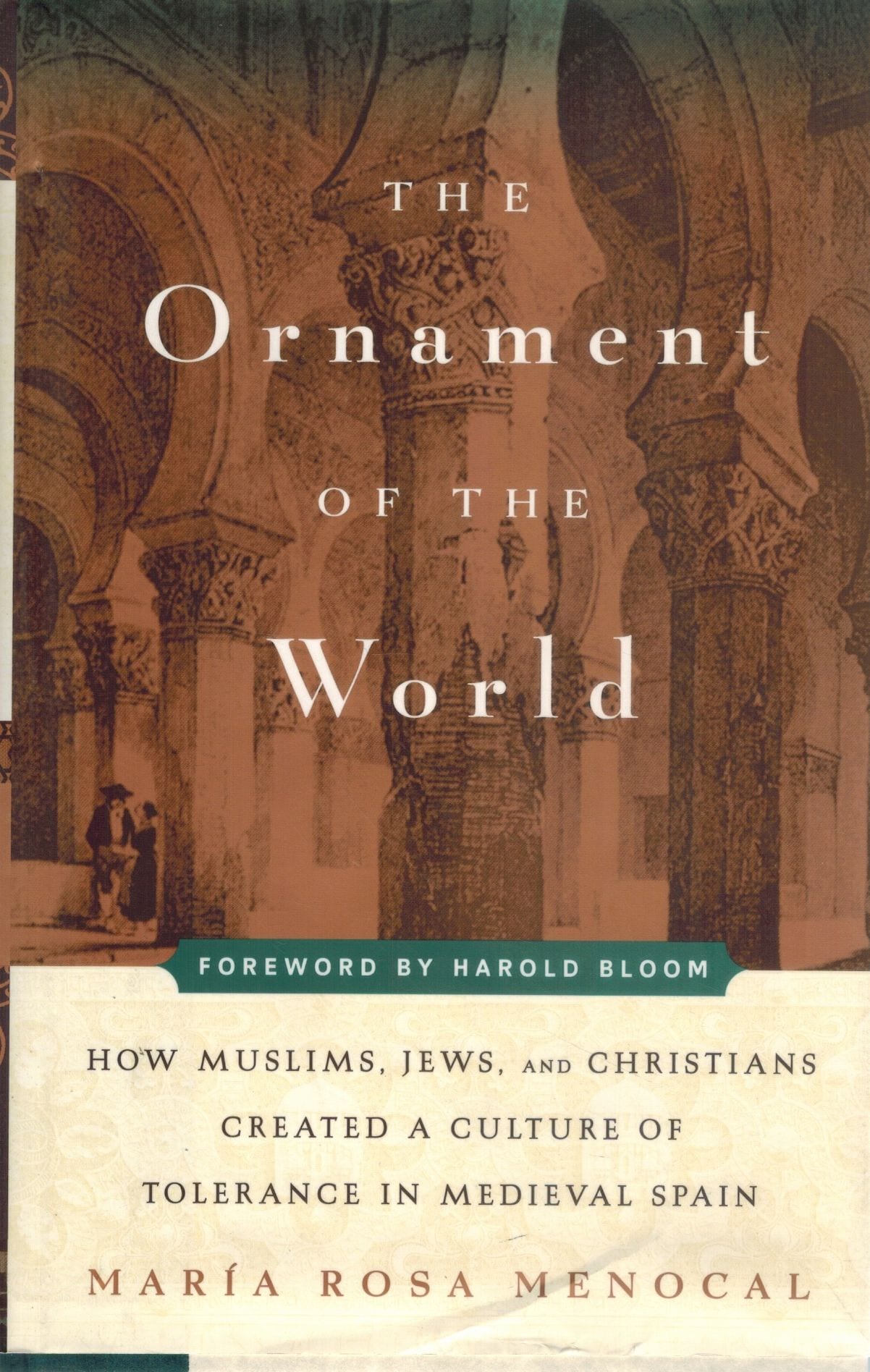
The Ornament of the World: How Muslims, Jews and Christians Created a Culture of Tolerance in Medieval Spain by Maria Menocal
The author captured a portrait of Medieval Spain when Muslims, Christians and Jews lived together and how Islam, Christianity and Judaism nurtured side by side with tolerance and how they borrowed language, art and architecture from each other.
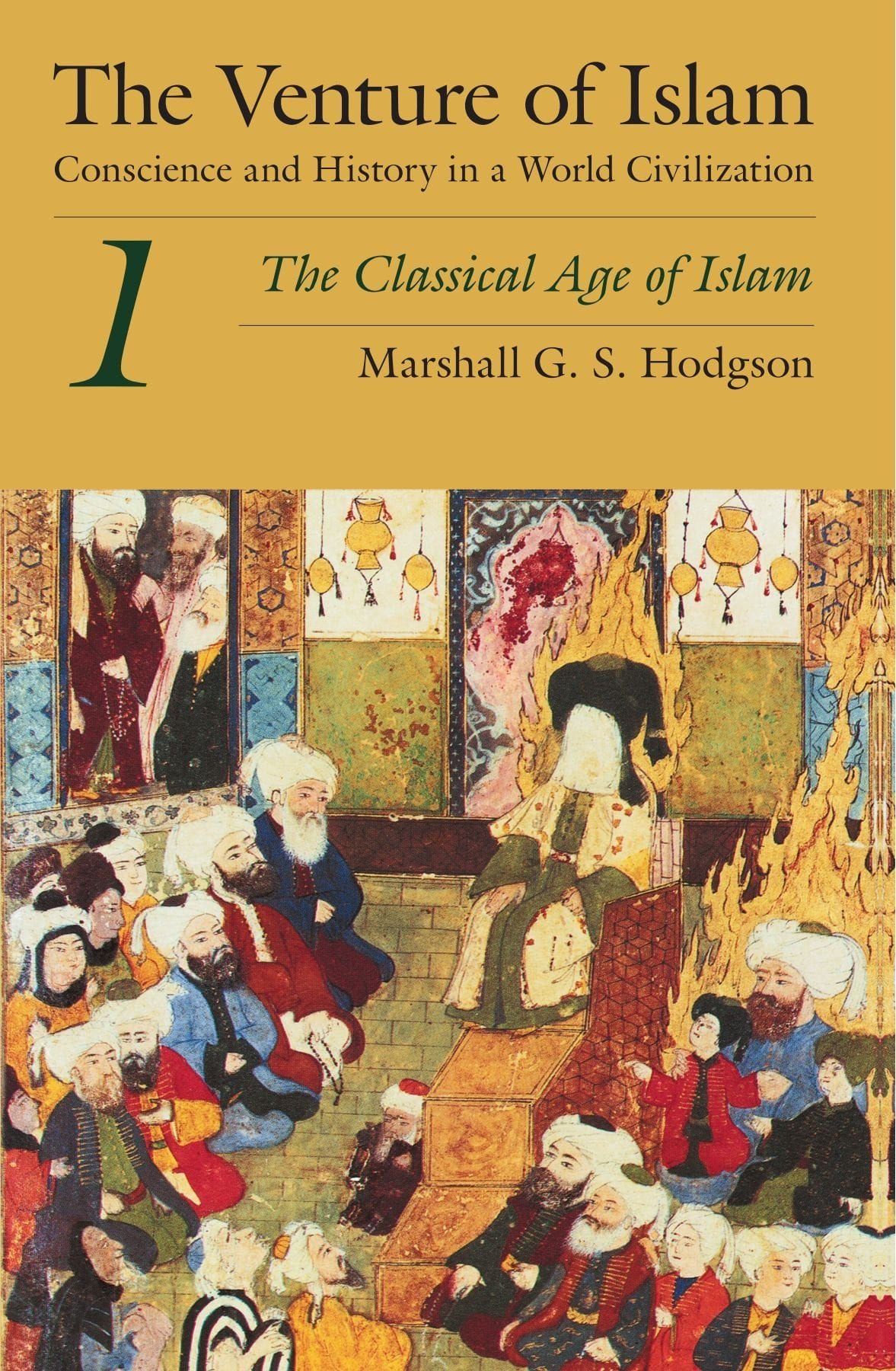
The Venture of Islam by Marshall G. S. Hodgson
Published in 1974 the book is a three-volume study demonstrated with maps and charts. Writer tracks the history of Islamic civilization from before the birth of Muhammad PBUH to the middle of the 20th century.
Medieval Islamic Civilization: An Encyclopedia by Josef W. Meri
This is an encyclopedia in English language about Islamic culture in middle ages. The two-volume work contains 700 alphabetically arranged entries, signed by international scholars and experts of academic scholars.
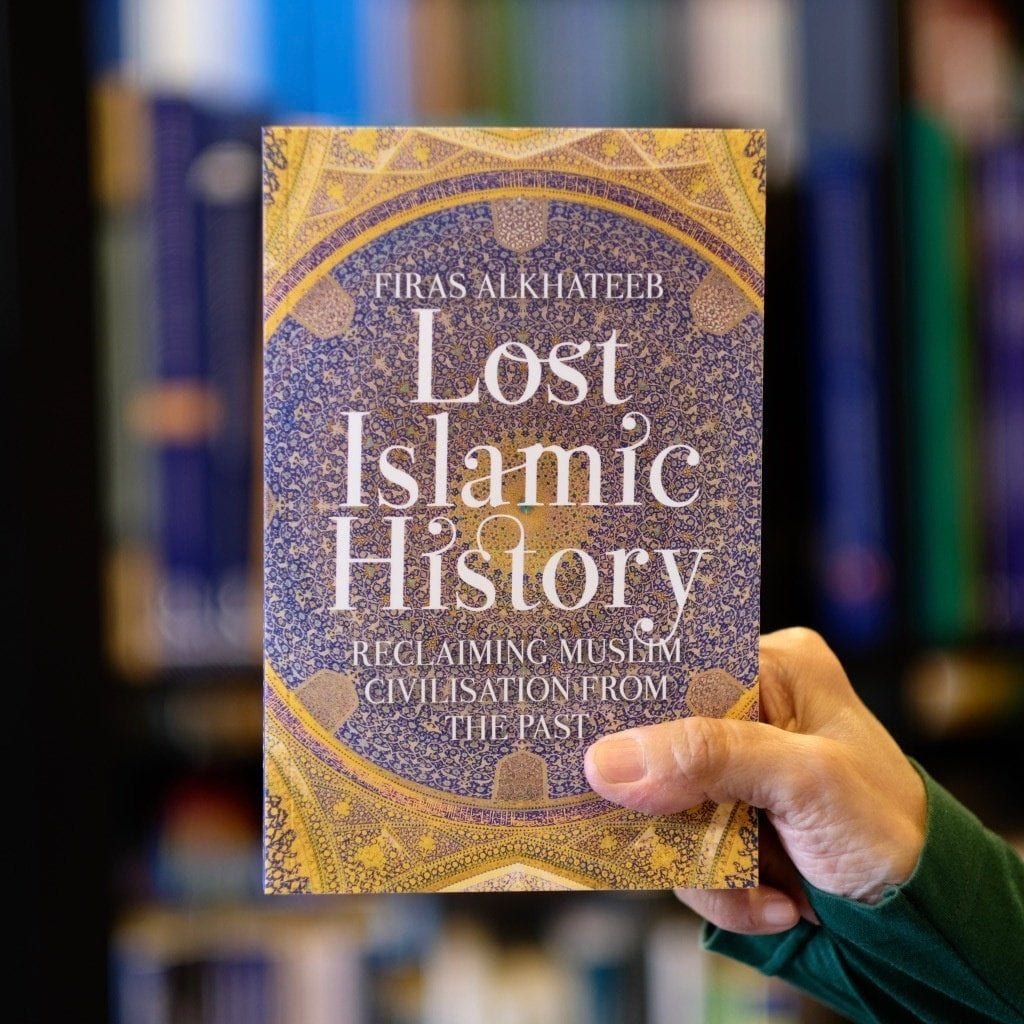
Lost Islamic History: Reclaiming Muslim Civilisation from the Past by Firas Alkhateeb
From Abbasids and Ottomans to Mughals and West Africans, Author sketches important personalities, inventions and historical episodes to demonstrate the monumental impact of Islam on global culture in his book.
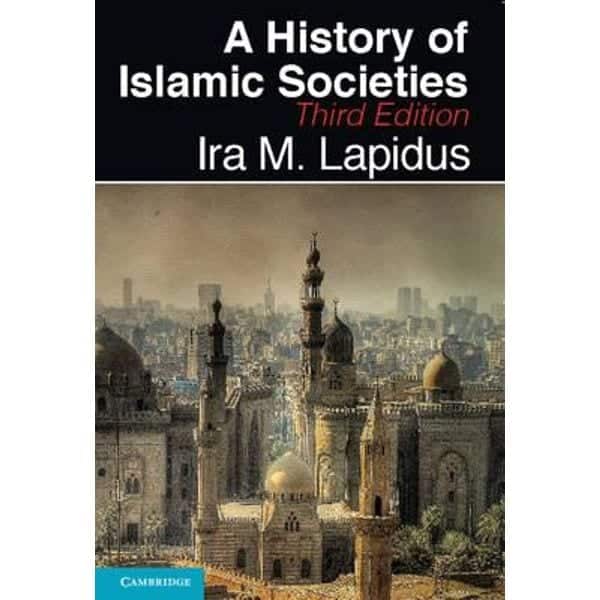
Islamic Societies to the Nineteenth Century: A Global History by Ira M. Lapidus
The book relates to the European commercial and imperial interventions that started a new set of transformations in the Islamic world, and the onset of the modern era. The book is a comprehensive explanation of the civilisations and patterns of Muslims life throughout the globe.
The Succession to Muhammad: A Study of the Early Caliphate By Wilferd Madelung
The book investigates the events that after the death of Muhammad PBUH, where there was a battle to see who would control the Muslims as a leader. This effort resulted in the difference between Sunni and Shia Islam over authority.
Must Read:
10 Personality Traits Of Prophet Muhammad (SAW) Every Muslim Must Know
Justice in Islam-25 Inspirational Islamic Quotes on Justice
20+ Islamic Quotes On War And Jihad – War and Peace in Quran
Frequently Asked Questions
Which book is best to start learning Islamic history?
For beginners, a general survey such as Ira Lapidus’s “Islamic Societies to the Nineteenth Century” or Firas Alkhateeb’s “Lost Islamic History” is an accessible start. Pair these with a classical biography of the Prophet (peace be upon him) for the earliest period.
Should I rely only on non-Muslim academic books?
No. Academic works offer useful context but sometimes question traditional Muslim accounts. It is best to read them alongside classical Muslim sources and, for questions of belief, ask a qualified scholar.
Who is considered the father of Islamic history?
Historians often point to early authors such as Ibn Ishaq (biography of the Prophet) and al-Tabari (universal history), while Ibn Khaldun is called a pioneer of the philosophy of history for his Muqaddimah.
What is the Muqaddimah?
It is the introduction to Ibn Khaldun’s larger history, completed in the 14th century. It discusses how societies rise and decline, economics, politics and education.
Where can I learn about the Prophet’s character?
See our posts on the character traits of Prophet Muhammad and the manners of Prophet Muhammad.