
Deen and Dunya: Islam, as a religion, aims to make sure that its followers have a perfect layout on how to spend their day-to-day life. Deen is commonly translated as “way of life” so it encompasses within itself a whole lot more than just religious duties (Huqooq-Allah)which we will discuss later in this article.
Deen is like a formula, which if implemented correctly can ensure a person gains closure to Allah and themselves. It also encloses all aspects of religion thereby gaining its connection to Dunya.
How to Balance Deen and Dunya?
What is Dunya
The Islamic definition of the word Dunya relates to the matters of the temporary world. There is an immense emphasis on temporary here. As according to Muslim belief the afterlife is the real existence, the world is merely a transition. But that does not mean we do not spend the time in Dunya ideally. It is merely a test phase and Islam has provided us with a lot of guidance on how to navigate through this Dunya while fulfilling the Deen.
Our religion of Islam thereby puts a huge emphasis on how humans need to function to make sure that they gain the best of both worlds. Since there is such an importance on the topic it only leads us to question ourselves on the connection of Deen and Dunya.
6 – Is Dunya Haram for Us?
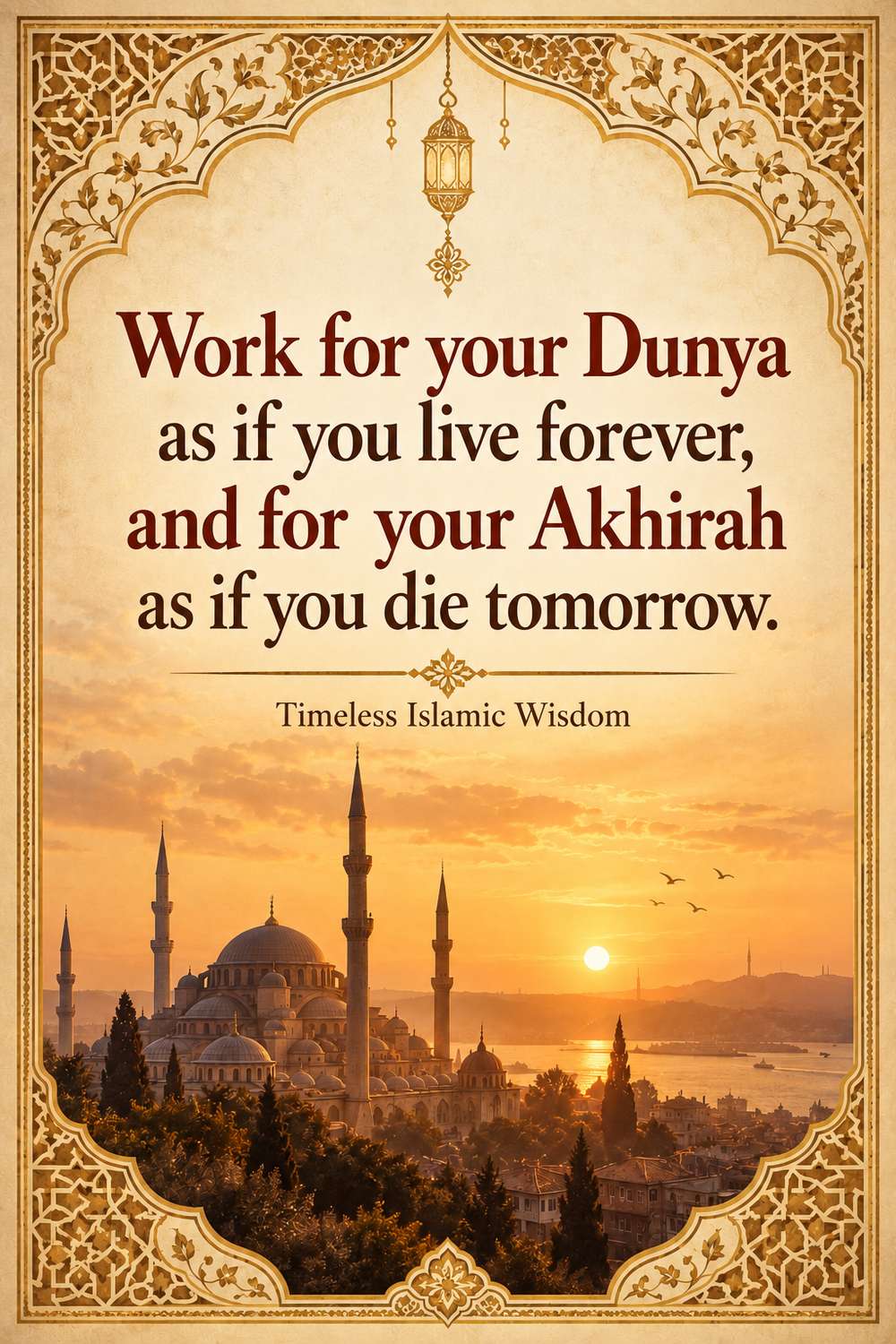
Neither the Quran nor hadith or sunnah advocate isolation from the world, and wealth earned lawfully and spent well is praised (see Islamic quotes on wealth). The Prophet (peace be upon him) reminded his companions to keep a balance between deen and dunya; in the hadith of Hanzalah in Sahih Muslim, he taught that there is a time for worship and a time for family and worldly needs. So no the dunya is not haram for us but yes, we must prioritise everything and out aakhira should always be the top priority.
5 – Haqooq ul Ibad
It refers to the responsibilities a Muslim has towards the creations of Allah. We need to ponder how this just does not confine to other beings. It also included animals, plants, and any creature Allah has sent down to the Earth.
The word Huqooq translates to rights, implying how the creations of Allah are liable to receive help from other creations. This makes it a job of ours to make sure everyone around us is in a good state, be it financial or emotional.
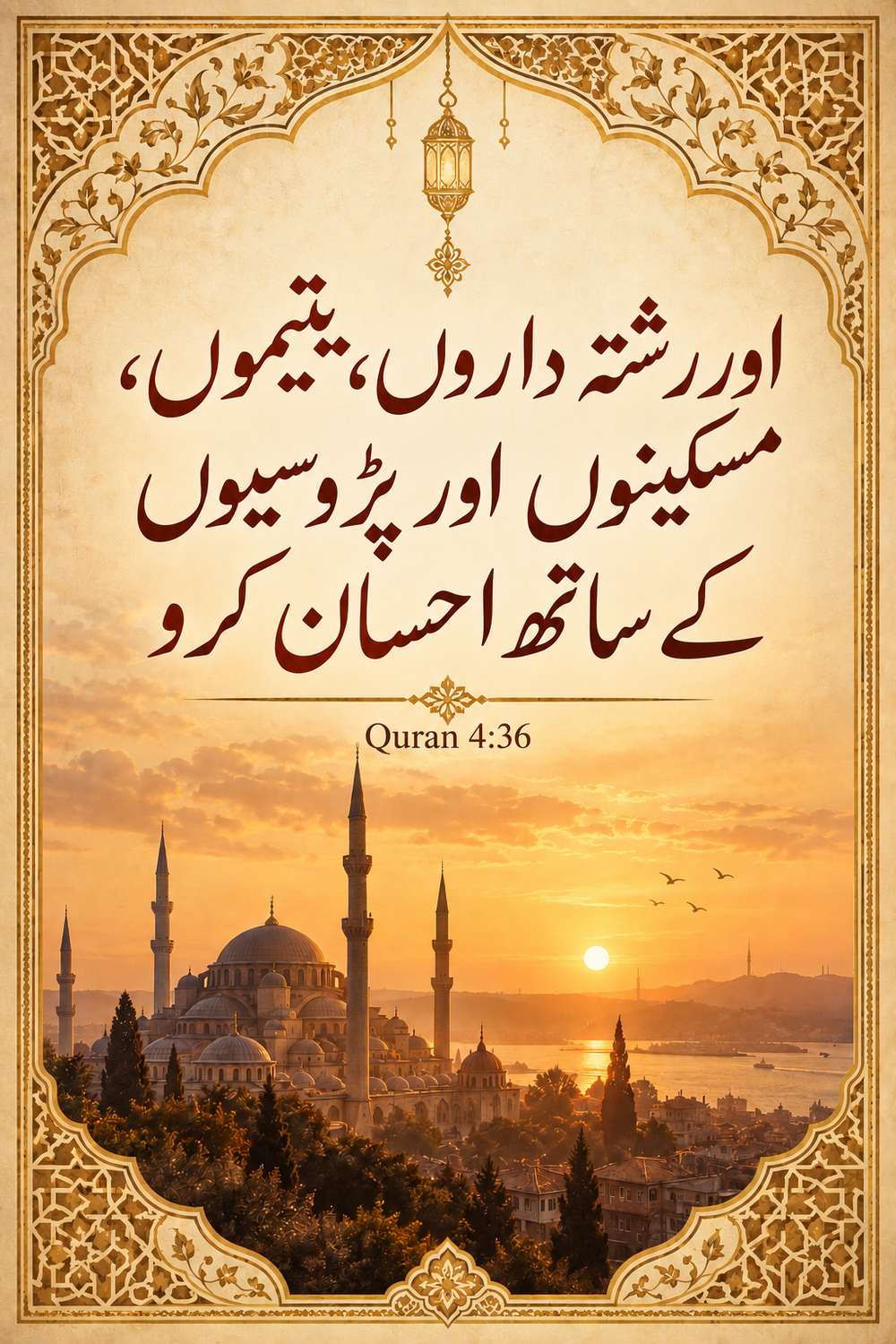
The first and foremost thing a Muslim believes is that Allah’s wisdom knows no bounds. Following everything that Allah says will bring only good to individuals and society in general. This verse helps us understand how important following Huqooq-ul-Ibaad is; by repeatedly emphasizing the importance of taking care of others.
4 – Dunya is Temporary
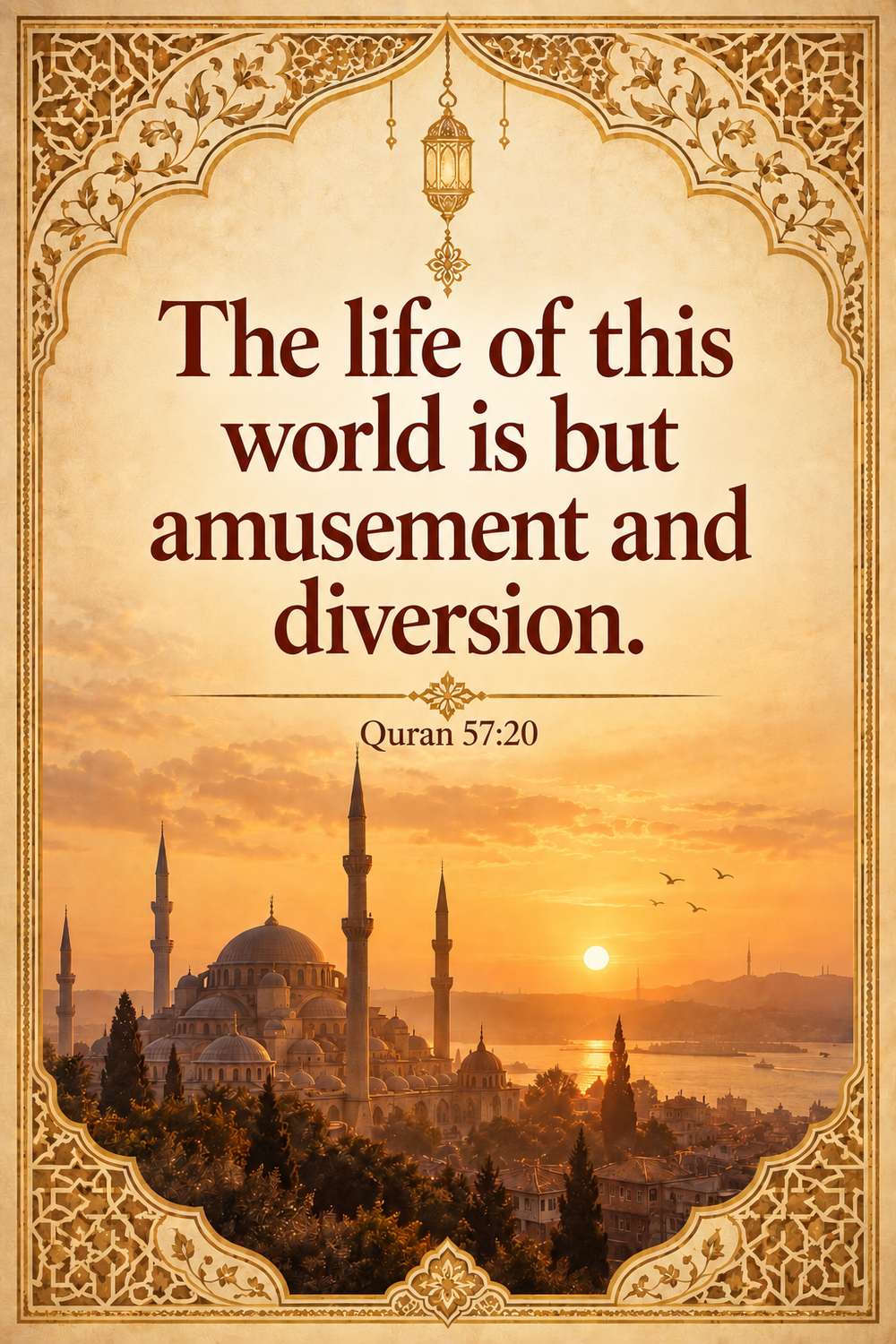
There are numerous examples in both the quran and hadith through which we are reminded again and again that the world is just temporary and we should not forget our aakhira because of these temporary pleasures.
3 – Haqooq Allah vs Haqooq ul Ibad
Haqooq Allah refers to the rights of Allah upon us. The obligations that Allah has laid out are extremely essential to the well-being of our connection with Him. These include Prayer (Salat), Fasting (Sawm), Zakat (Alms), Hajj (Pilgrimage) which are four of the five pillars of Islam (the fifth being the Shahadah, the declaration of faith). There are various other huqooq we owe to our Lord. This includes preventing ourselves from sins, making Dua to Him, trusting Him with everything.
Since Huqooq-Allah is our duty towards Allah, He will forgive us for our shortcomings if we repent. However, not following the commands under Huqooq-ul-Ibaad means the forgiveness must be granted by the one whose right was unfulfilled. This puts us into a state where we are trying to wonder how immensely important Huqooq-ul-Ibaad is, there is no compromise on it whatsoever.
These both words are a way of comparing Deen and Dunya, respectively. So this puts one in a dilemma, is Dunya more important? Well, that is definitely where we realize how Deen and Dunya are so closely related that a perfect balance of the two is necessary and Islam tells us exactly how to do that.
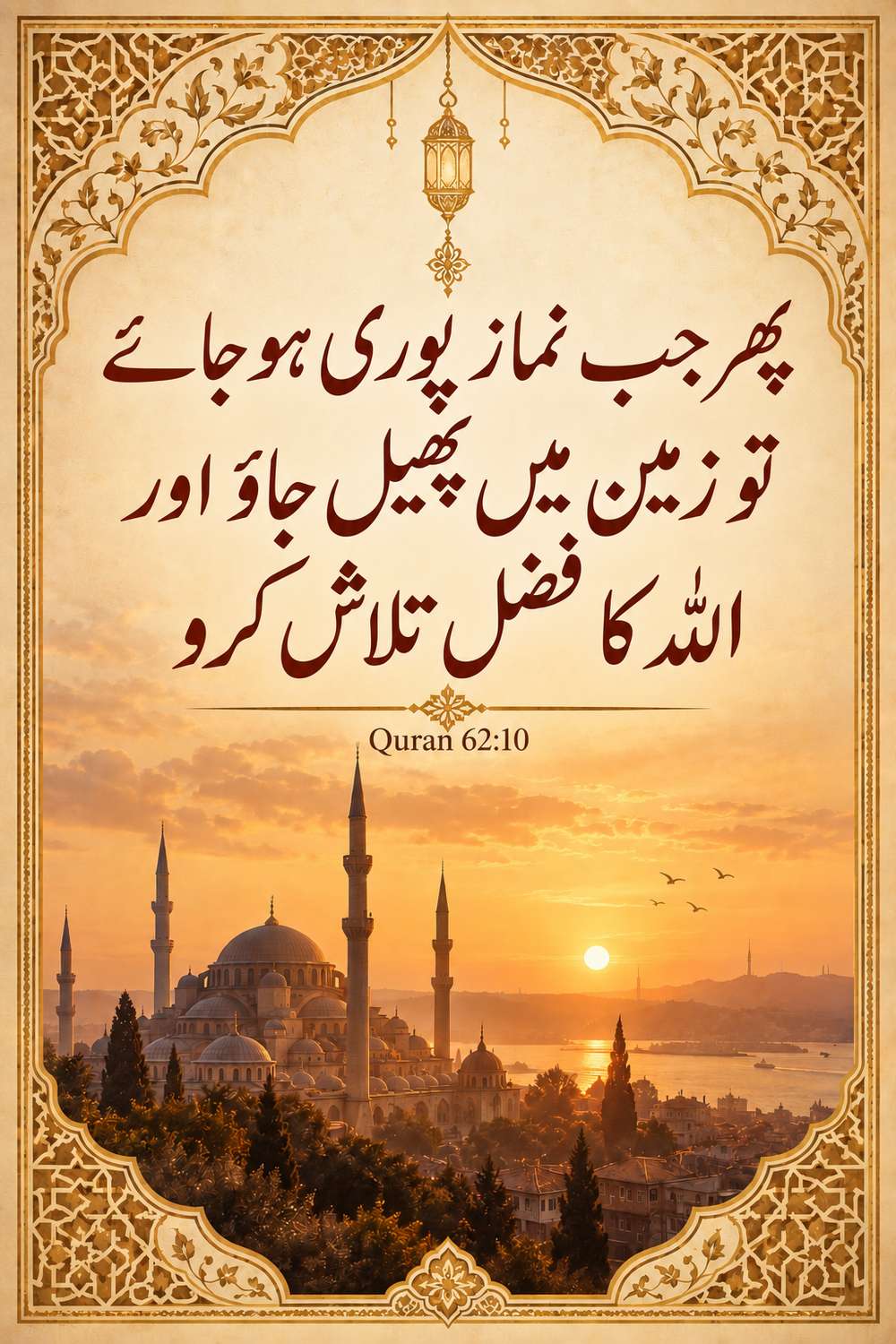
Deen facilitates a healthy existence in Dunya, Deen helps us understand the importance of abstinence from the vices of the Dunya. Its important to note here that Deen helps us make Dunya a better place for us and everyone around us.
The verse mentioned above is a perfect summation of everything discussed, Allah asks us to stop trading at the call to the Friday prayer and go to remembrance of Him, and once the prayer is done, to disperse in the land and seek His bounty (Quran 62:9-10); see also how to be a productive Muslim. While understanding the wisdom behind this may not be easy for the human mind, it is certainly something that we must follow and try to ponder upon.
2 – Importance of Serving Others in Dunia
Islam is a religion of peace, and peace is not possible unless a community comes close together and bonds. Let’s look at some of the ways the connection between Deen and Dunya strengthens the core concept of communal values in Islam.
- The Mosque: Since the time of the Prophet (P.B.U.H), the mosque is a means of gathering for Muslims to discuss their daily affairs and gain solutions and insight from others. Islam encourages children to visit mosques and gain exposure at a young age to the system of brotherhood that we follow. All this helps strengthen the local community of an area, thereby connecting Deen to Dunya effectively.
- Zakat: The religion Islam makes it obligatory for every Muslim who owns wealth above the nisab for a full lunar year to pay Zakat (alms, generally 2.5% of qualifying wealth) to eligible recipients such as the poor and needy. This helps create an effective system of distributing wealth and helps the privileged realize that whatever they have is from Allah and belongs to Him thus coming under Huqooq-Allah. He then encourages you to share with your fellow Muslims thus creating Huqooq-ul-Ibaad out of it. It is fascinating how solutions to modern-day capitalistic problems have been a part of Islamic ideology for the past 1400 years or so.
- Sadaqah: More commonly known as charity, sadaqah is a good deed of any kind towards any creation of Allah. Feeding a hungry animal is sadaqah, giving money to the poor in need is sadaqah, removing an obstacle from a path is also sadaqah, and even smiling at someone is sadaqah. If this concept integrates into our lives, it automatically transforms our vision and helps us become better members of society; or if we may call it Dunya.
You can learn more about the importance of community by going through these Islamic Quotes on Haqooq ul Ibad & Its Significance.
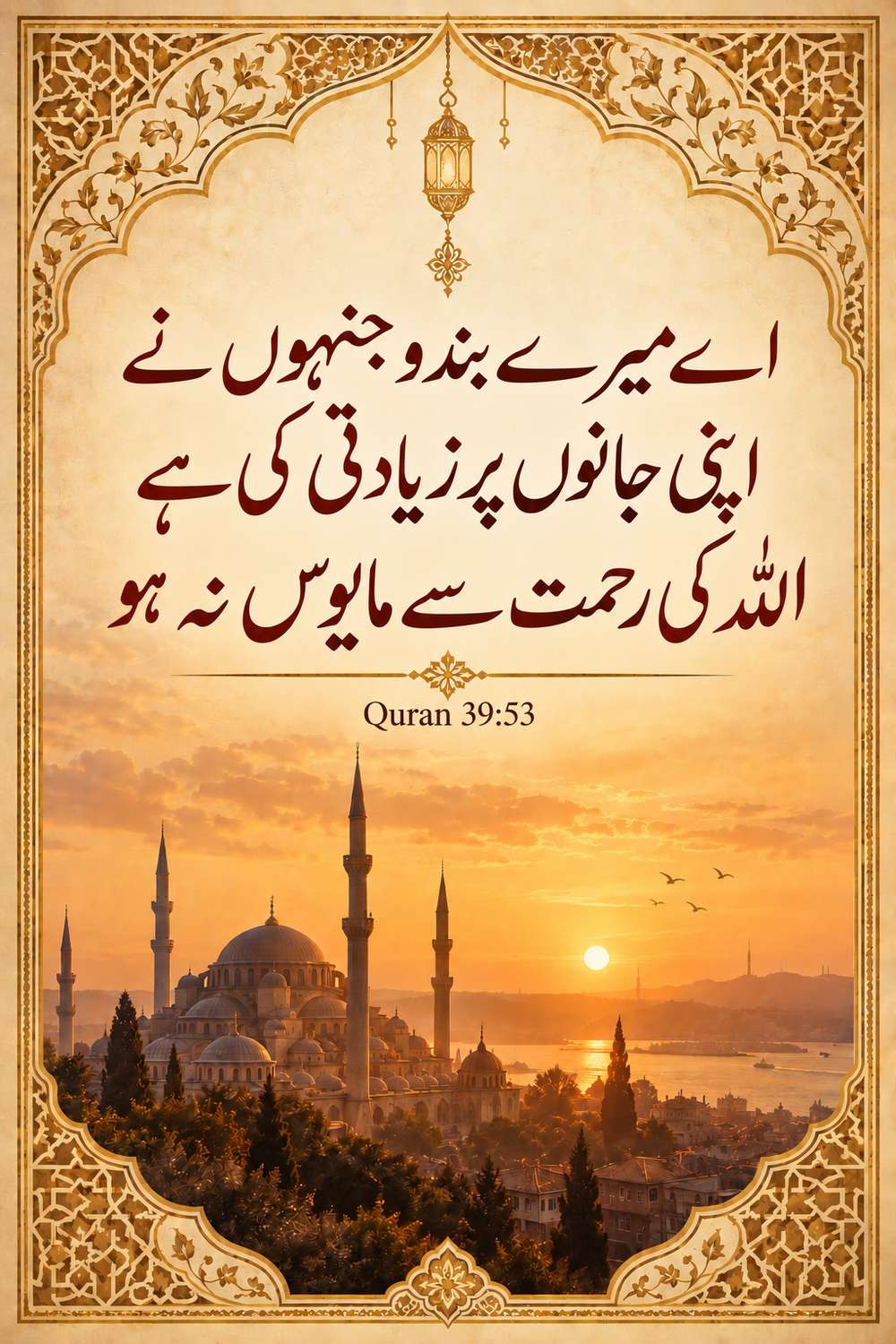
1 – Deen & Dunia Quote From Quran
The verse perfectly summarizes the need to avoid sins, but Allah knows we are not perfect hence He keeps reminding us of His mercy and benevolence. This concludes the discussion on the relation between Deen and Dunya, which as we can notice, are very closely related responsibilities to follow for a Muslim. Islam provides a perfect method to succeed in both aspects and trying to improve ourselves as Muslims!
Frequently Asked Questions
What is the difference between Deen and Dunya?
Deen is the way of life taught by Islam, including worship and ethics. Dunya refers to this worldly life with its work, wealth and pleasures. In Islam the two are not opposites; worldly life is meant to be lived in line with the Deen.
Is it wrong to enjoy worldly life?
No. Lawful enjoyment, earning a halal income and caring for family are encouraged, as long as they do not make us forget Allah or the Hereafter.
What are Huqooq Allah and Huqooq ul Ibad?
Huqooq Allah are the rights of Allah, such as prayer, fasting, zakat and Hajj. Huqooq ul Ibad are the rights of people and other creatures. A sincere repentance can bring forgiveness for neglected rights of Allah, but wrongs against people must be put right with them where possible.
Is zakat the same for everyone?
Zakat is due on a person whose wealth is above the nisab for a full lunar year, and the rate on most savings is 2.5%. Details such as which assets count can differ between the schools, so consult a qualified scholar; see our guide to zakat in Islam.
How can I balance work and worship?
Fix your obligatory prayers first and schedule work around them, keep a little time daily for the Quran and dhikr, and treat honest work done with a good intention as worship.