
8 Doors of Jannah: Jannah, in the Islamic doctrine, is the eternal paradise promised to the believers. The Arabic word for Jannah is derived from the Arabic word for ‘to hide or cover’. It is the abode of righteous Muslims after their death, where they are judged by Allah to be righteous.
The key to entering Islam is explained in these things to know about the importance of Shahadah.
Jannah is the place overflowing with ecstasy which is everlasting. It is the last chapter of a believer’s life. Jannah is free from fatigue, injury, and sadness. The Qur’an describes Jannah as a place filled with joy and pleasure and free from evil, hatred, and jealousy.
What Are The Gates of Jannah?
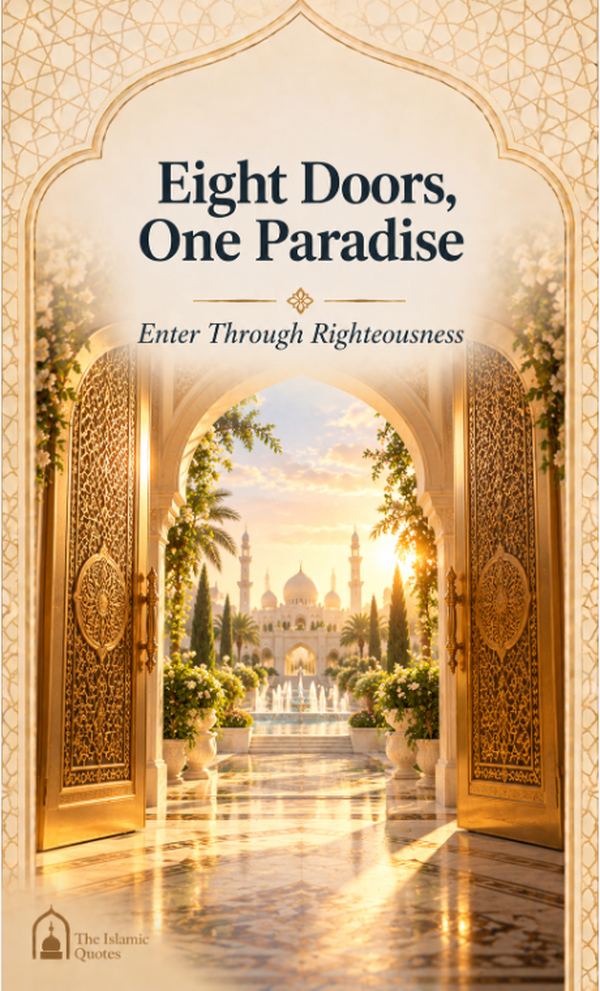
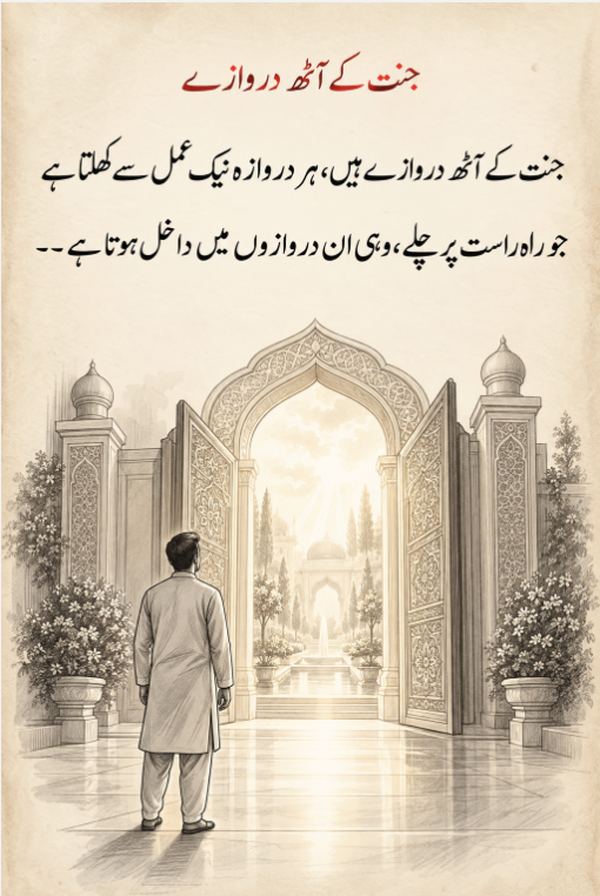
The Prophet (SAW) described it as containing what “no eye has seen, no ear has heard, and no heart has imagined” (Bukhari, Muslim). Jannah has eight gates of entry (Bukhari, Muslim). Authentic hadith name four of them: the gates of Salah, Jihad, Sadaqah and Ar-Rayyan (for those who fast). The names of the other gates listed below come from other narrations and scholars’ commentaries whose strength scholars have discussed, and Allah knows best. They are as follows
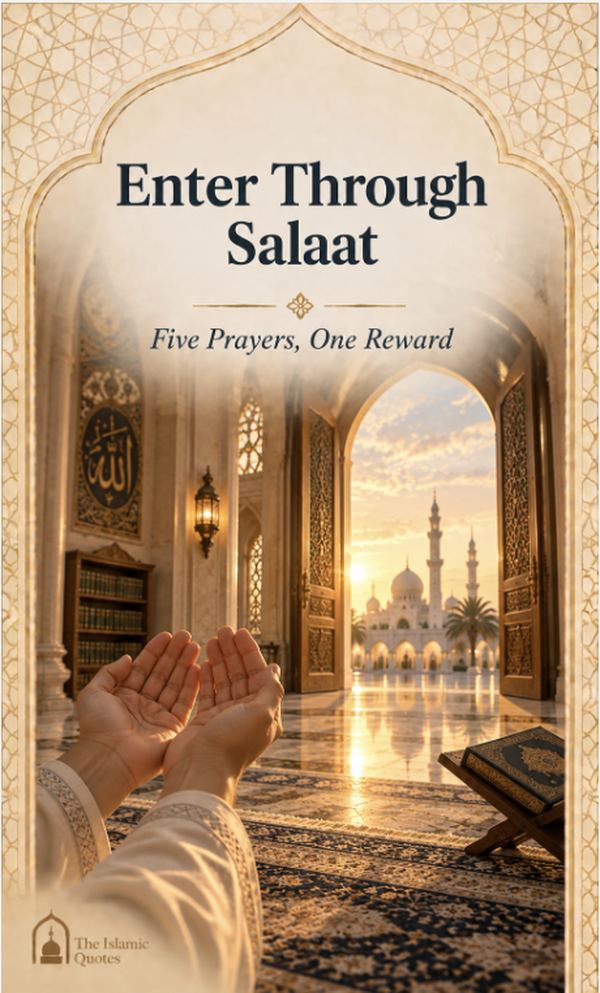
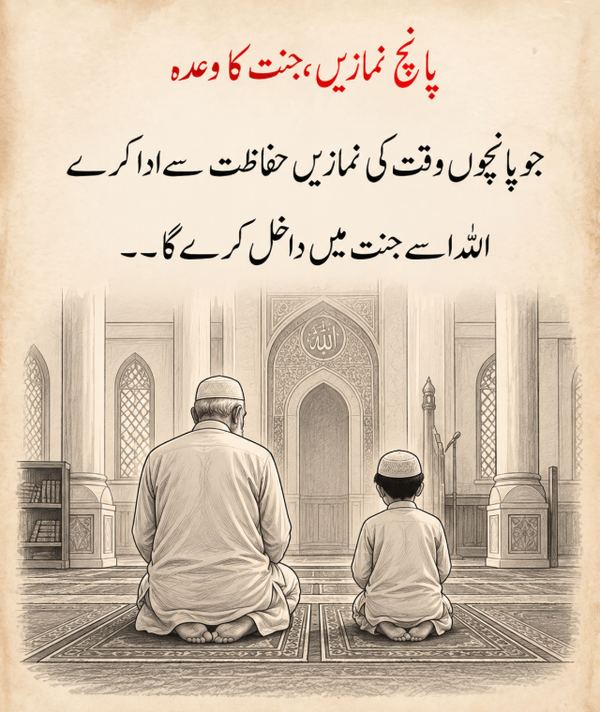
Baab As-Salaat
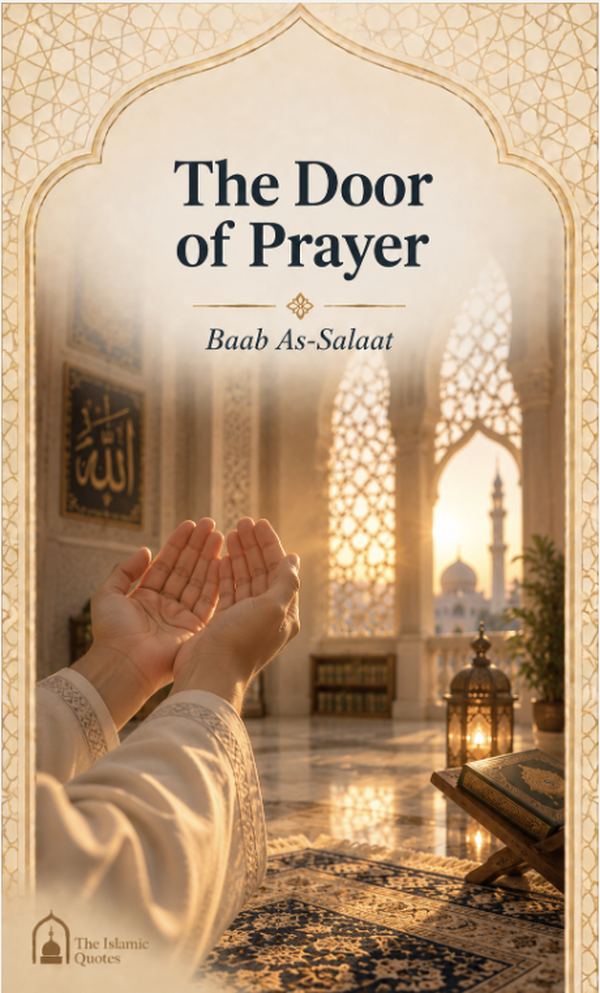
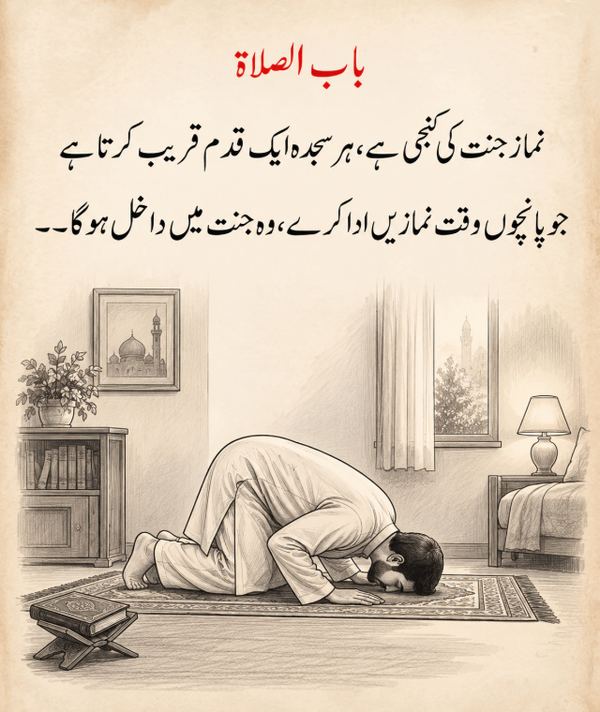
This is the gate where those who are punctual and vigilant about their prayers will be called through. Prayer has been prescribed and has been made obligatory for us 5 times a day. Every day, 5 times a day, Muslims from all corners of the world turn their face towards Mecca and the Ka’abah. The salah signifies and plays the role of a bridge between us and Allah. It gives us the chance to connect with our souls and with the light of Allah. It, therefore, serves the role of a spiritual journey. Observing salah and exercising your spiritual core through it is what is often neglected. Practicing salah as a value and principle is what allows one to reach higher levels of piety.
Baab Al-Jihad
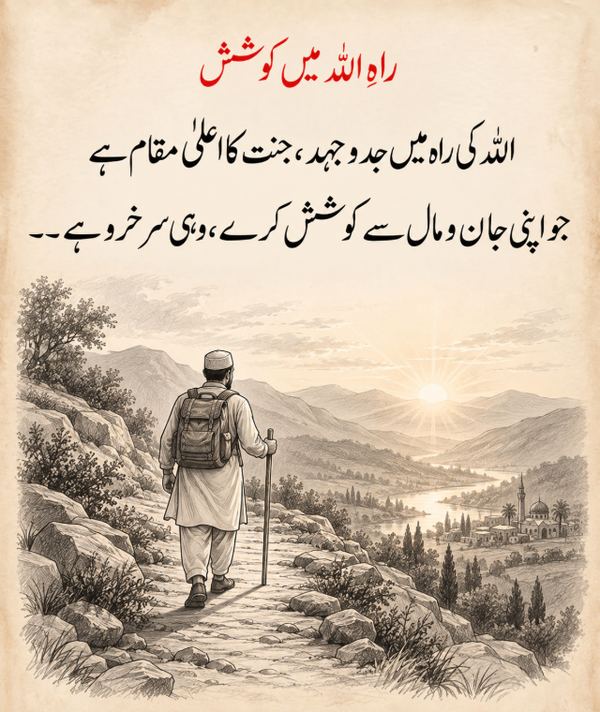
This is the gate reserved for those who practiced jihad in their life and died a mujahid or were martyred (shaheed). Jihad literally means striving: it includes striving against one’s own desires and, in its military sense (qital), it is strictly regulated in Islam and is never a license for extremism or aggression. Common translations of the Arabic word for jihad are ‘strive’, ‘effort, and ‘labor’. Jihaad is not simply a task or activity, but the practice and quest to hold steadfast to Islam’s values.
Jihad is a system of not only self-defense against external threats to our beliefs and values but most importantly the threats that are more internal and are born from one’s desires and pleasures. It also has a communal element to it where one Muslim believer can strive against the prevalent unIslamic practices in society and inspire goodness.
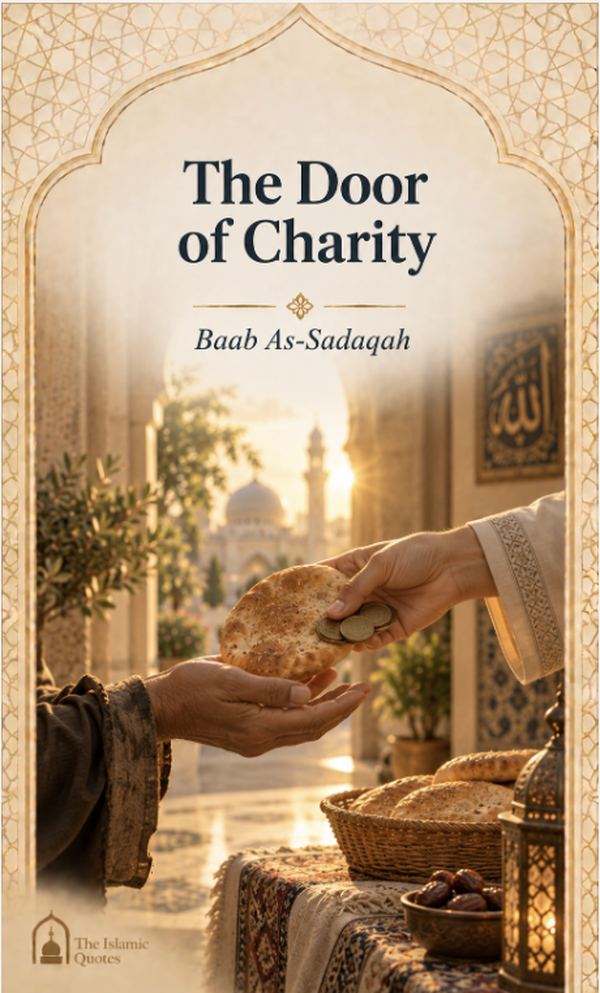
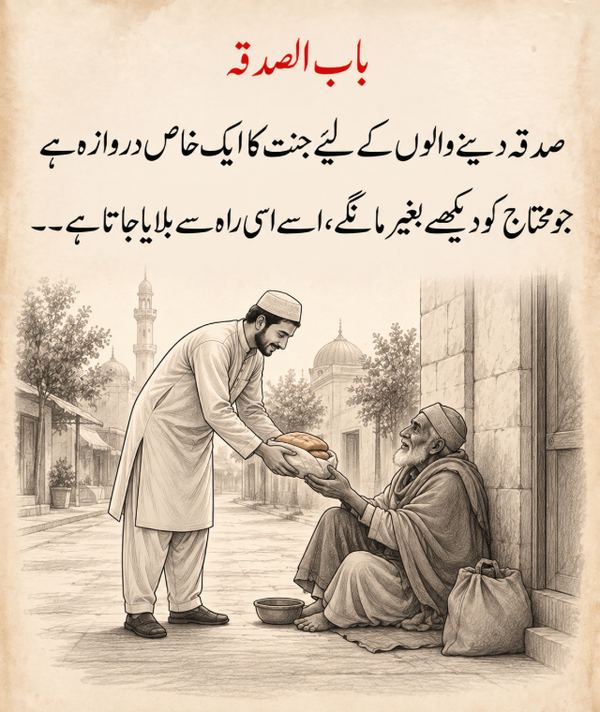
Baab As-Sadaqah
This gate is for those who are steadfast in paying charity to the needy and troubled. Sadaqah, which in Islamic teachings means charity, is among the core tenants of Islam. It builds on the strong precedent left by the life, teachings, and practice of the Prophet PBUH and the Sahabah RA. Sadaqah is the act of giving in the way of Allah SWT. It is done not only to help those in need but also to purify one’s soul of greed and lust, and invoke empathy and compassion. This makes it a spiritual exercise, and in the words of the Prophet (SAW), even a smile at your brother is sadaqah (Tirmidhi). Learn more about the types of sadaqah.
Baab Ar-Rayyan
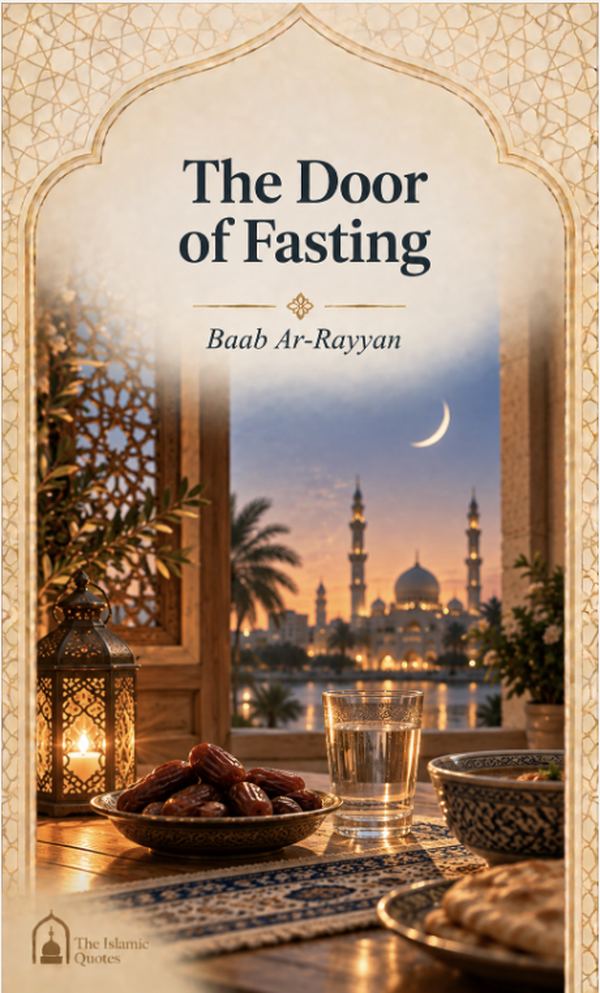
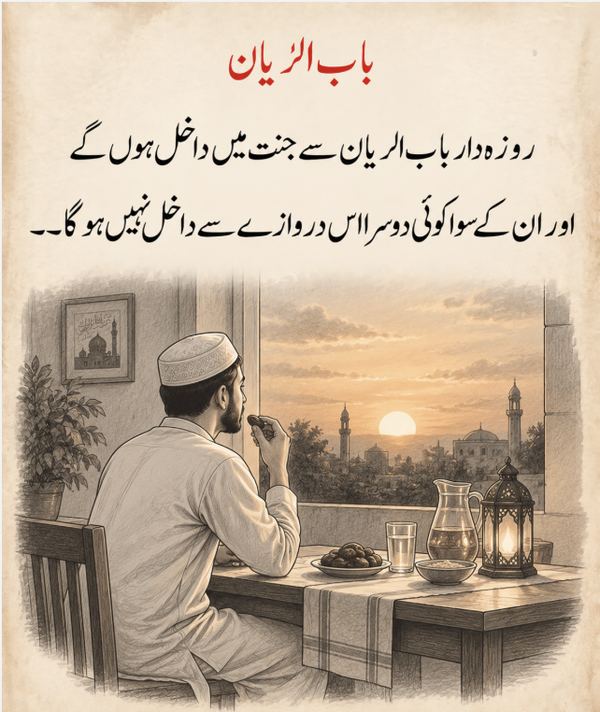
This gate is for the Muslims who practiced self-restraint in the holy month of Ramadan and beyond, through the practice of fasting from dawn to dusk. The purpose of Ramadan and fasting is to grow spiritually. This is done by abstaining from food, sex, drink, foul tall, e.t.c. All the while engaging in prayers, worship, and dhikr.
This is a time of reflecting and engaging with the soul and disengaging with material and worldly desires and thoughts. However, fasting is not limited to only Ramadhan but can be practiced all through the year except for the two Eids, as shown by the practice of Prophet PBUH.
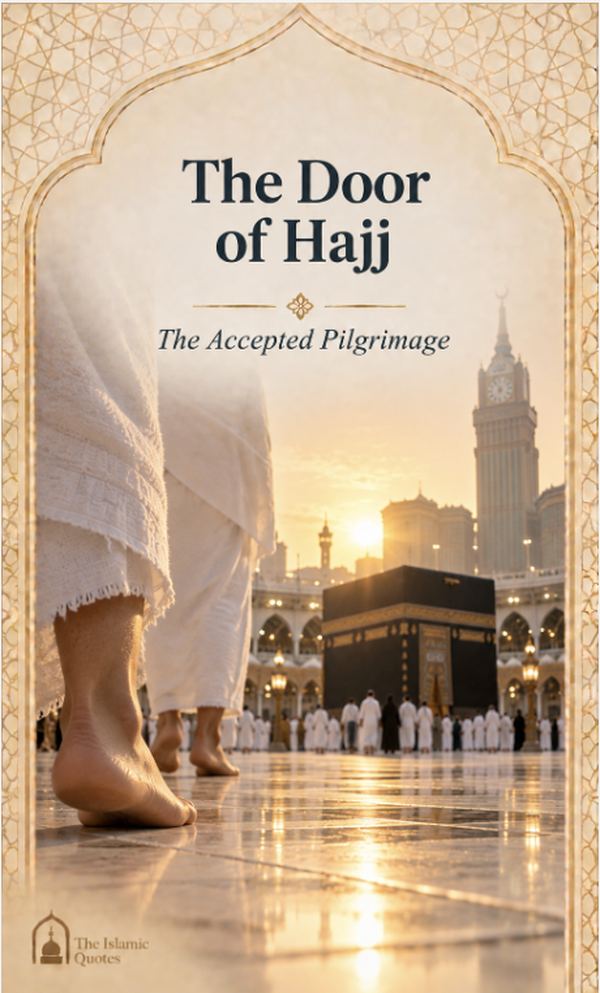
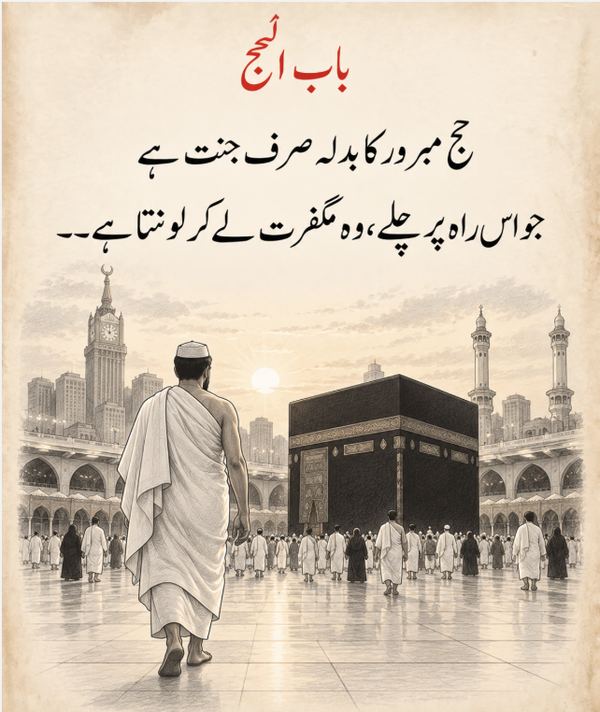
Baab Al-Hajj
Baab Al-hajj is reserved for the believers that fulfilled the duty of hajj, the holy pilgrimage. Hajj is the annual pilgrimage and tawaf of the Ka’bah. All able Muslims must perform at least once, however, multiple pilgrimages are allowed. It is a five-day event performed in the last month of the Islamic calendar.
It is one of the five pillars of Islam. It is in essence a symbolic journey and a part of the life and practices of Prophet Ibrahim AS. The hajj pilgrims in the state of Ihram have certain limits and restrictions imposed on them that they have to observe. The purpose of these restrictions and duties of hajj is to purify the believers. The Prophet (SAW) said that whoever performs Hajj without obscenity or wrongdoing returns as on the day his mother bore him (Bukhari, Muslim). Learn the steps in our guide on how to perform Hajj.
Baab Al-Kaazimeen Al-Ghaiz Wal Aafina Anin Naas
This gate is for those who swallow their anger and forgive others (see also our post on anger management in Islam). Anger and forgiveness are both qualities and characteristics of Allah SWT. However, the mercy of Allah exceeds His Anger and forgives His creation when they turn to Him.
This is, therefore, the practice and teaching of Allah directly. For us, the practice of swallowing anger and practicing forgiveness is a humbling experience. Our humility and the acceptance of Allah’s Majesty and Excellence is what is most beloved by Allah.
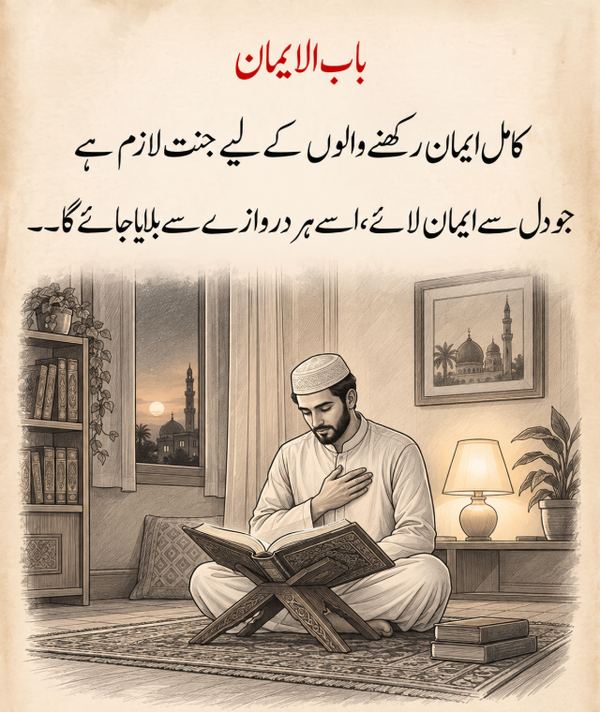
Baab Al-Iman
This gate is reserved for the Mumineen or the one with most trust and faith in Allah SWT and strives in His way because. The Mu’min is closer to Allah as the message and teachings of Islam have not only been understood by him but are now the very essence of his thought and actions.
Baab Al-Dhikr
This is the gate for the one that made the most effort in engaging in the remembrance of Allah SWT and His Glory. The practice of dhikr is not merely the vocal remembrance of Allah but remembering HIm in your heart and being mindful of His presence because He is Al-Basir (All-Seeing) and AL-‘ALEEM (All-Knowing). This is the highest level of connection with Allah.
Takeaway
Heaven and Hell are both creations of Allah and both are significant in their respective ways as part of Allah’s Hikmat (wisdom). The gates of heaven show not only the deeds and characteristics closest to Allah SWT but also how simple and easy He has made the religion for us by expanding the avenues for us through His bounty. Read more in our collection of Islamic quotes on Paradise.
Frequently Asked Questions
How many gates does Jannah have?
The Prophet (SAW) said that Paradise has eight gates (Bukhari, Muslim). The authentic hadith explicitly name the gates of Salah, Jihad, Sadaqah and Ar-Rayyan, and the others are named in other narrations that scholars have discussed.
Who enters through Ar-Rayyan?
The Prophet (SAW) said that Ar-Rayyan is a gate through which only those who fast will enter on the Day of Resurrection (Bukhari, Muslim).
Can a person be called from more than one gate?
Yes. In the hadith of Abu Bakr (RA), the Prophet (SAW) said that whoever spends in pairs in the way of Allah will be called from the gates of Paradise, and a person may be called from several gates. Abu Bakr (RA) was hoped to be among those called from all of them (Bukhari, Muslim).
Do deeds alone earn Paradise?
Good deeds are required, but entry into Paradise is ultimately through the mercy of Allah, as the Prophet (SAW) taught that no one enters Paradise by his deeds alone (Bukhari, Muslim). See our post on duas for Jannah.
Is it correct to say the gates have fixed names beyond the authentic ones?
Some names come from narrations or scholarly commentary of varying strength. It is safest to rely on the authentic hadith and to ask a qualified scholar for details.